
CONNECTING MIAMI & THE MIDDLE EAST THROUGH LUXURY, BUSINESS & CULTURE

Home / 2026 / August

In Miami, some of the most valuable conversations donโ€™t happen on a stage. They happen over morning coffee in Coral Gables, in the stands at the Miami Open, over cigars after work, or at an invitation-only gathering that never appears on a public calendar. That increasingly describes the Economic Club of Miami.


Known for bringing CEOs, entrepreneurs, elected officials and thought leaders together for high-level conversations about business, public policy and the future of South Florida, the Economic Club has built its reputation around signature programs ranging from intimate fireside chats to its annual Miami Economic Forum.


But behind those marquee events is another side of the organization โ€” one deliberately reserved for its members.


With more than 400 active members, the Economic Club of Miami has evolved into something beyond an events organization. It has become a community where many of Miamiโ€™s business and civic leaders are developing relationships outside the traditional confines of networking receptions and formal luncheons.


The philosophy is simple: relationships are rarely built from exchanging business cards. They are built by spending time together.


That was evident at the Miami Open, where the Economic Club brought together 120 members and guests for an evening of world-class tennis. Instead of meeting across a conference table, members found themselves grabbing drinks, introducing spouses and friends, and cheering together from the stands.


The Club has also introduced smaller gatherings designed to be deliberately informal.


Its โ€œCoffee with the Clubโ€ series brings approximately 20 to 25 members together at local cafรฉs with no speaker, formal program or agenda. Recent gatherings have taken place in neighborhoods including Brickell, Coral Gables and Coconut Grove. The objective is simply conversation โ€” creating an environment where a member who has attended several Economic Club programs might finally have the opportunity to spend 20 minutes getting to know someone they previously only recognized from across the room.
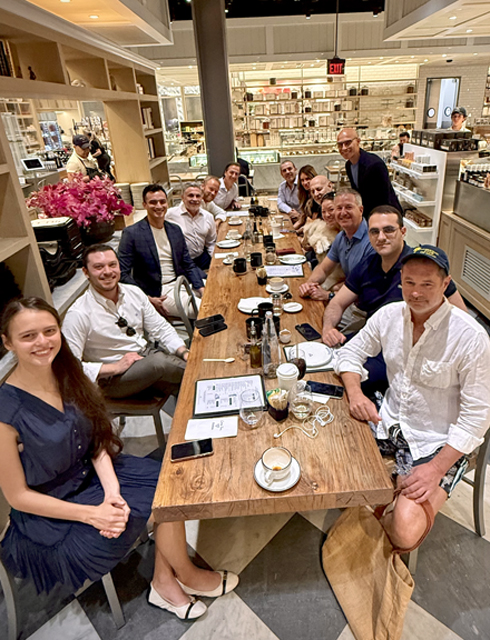
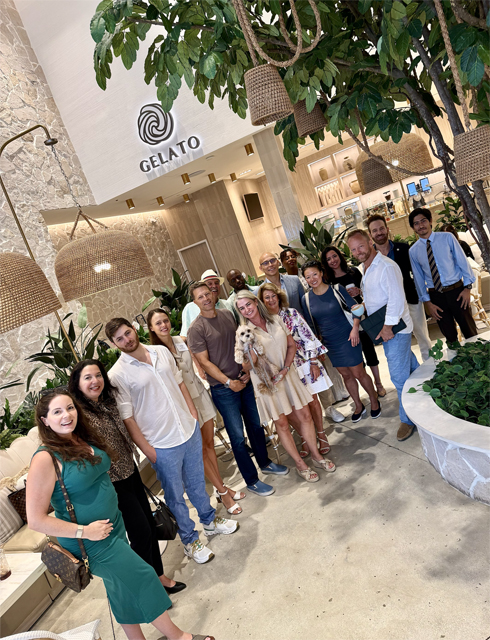


After hours, the atmosphere changes again.


The Clubโ€™s cigar socials have attracted members looking for an even more relaxed setting to talk business, exchange ideas and enjoy an evening together. The format is intentionally uncomplicated: no presentations and no name tags.


Many of these gatherings are never promoted publicly. Members learn about them through private communications, including the Clubโ€™s members-only WhatsApp community and email invitations.


That exclusivity is less about keeping people out than creating a stronger experience for those who have chosen to become part of the community.


Membership has also opened doors to experiences hosted by organizations throughout Miami. Through partnerships and relationships developed across the city, Economic Club members have received invitations to conferences, private dinners, philanthropic events and major openings.


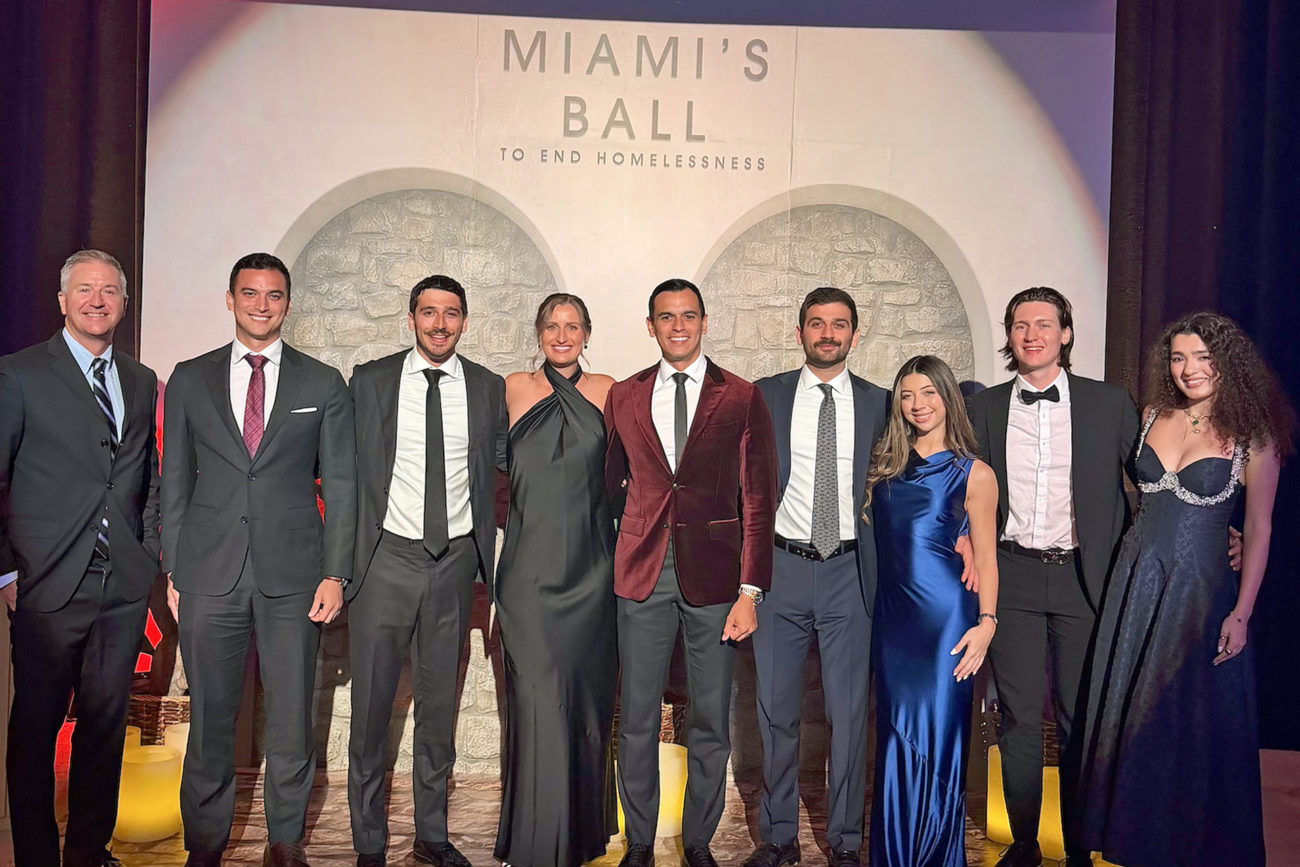
Members have participated in gatherings surrounding the James Madison Instituteโ€™s Technology & Innovation Summit, attended Miamiโ€™s Ball to End Homelessness, and joined the celebration marking the opening of FC Barcelonaโ€™s Americas headquarters in Downtown Miami.


Those experiences reflect the broader transformation taking place across the city.


Miami has become an increasingly important crossroads for finance, technology, real estate, hospitality, international commerce and professional sports. Companies and organizations that once viewed Miami primarily as a gateway to Latin America increasingly see it as a global business capital in its own right.
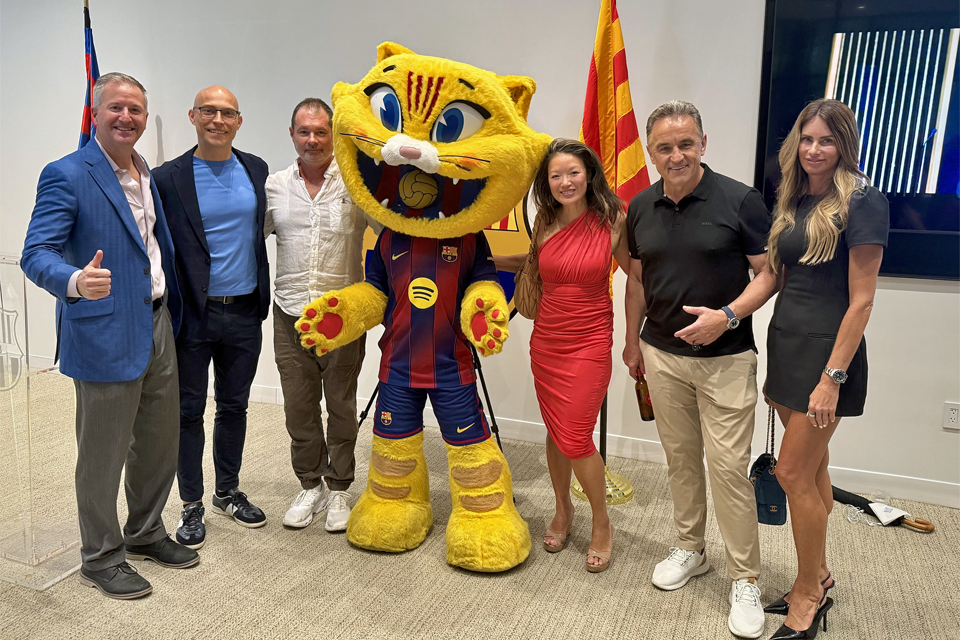


For the Economic Club of Miami, the opportunity is to connect the people helping shape that evolution.


โ€œEverything is about who you know and how you get to know them.โ€

Francisco Gonzalez, Clubโ€™s executive director


That second part may be the more important one.


A formal luncheon can introduce two people. A morning coffee, tennis match, cigar social or unexpected invitation can turn that introduction into a relationship.


It is why the Club continues to invest in experiences beyond its headline events. Some are sophisticated. Others are remarkably simple. What connects them is the opportunity to bring accomplished people together without always asking them to sit quietly and listen to someone on a stage.


In a city built on relationships, that may ultimately be one of the Economic Club of Miamiโ€™s greatest assets.


The public sees the speakers, forums and high-profile events.


Members experience everything in between.


For membership information, visit the Economic Club of Miami’s website.
 

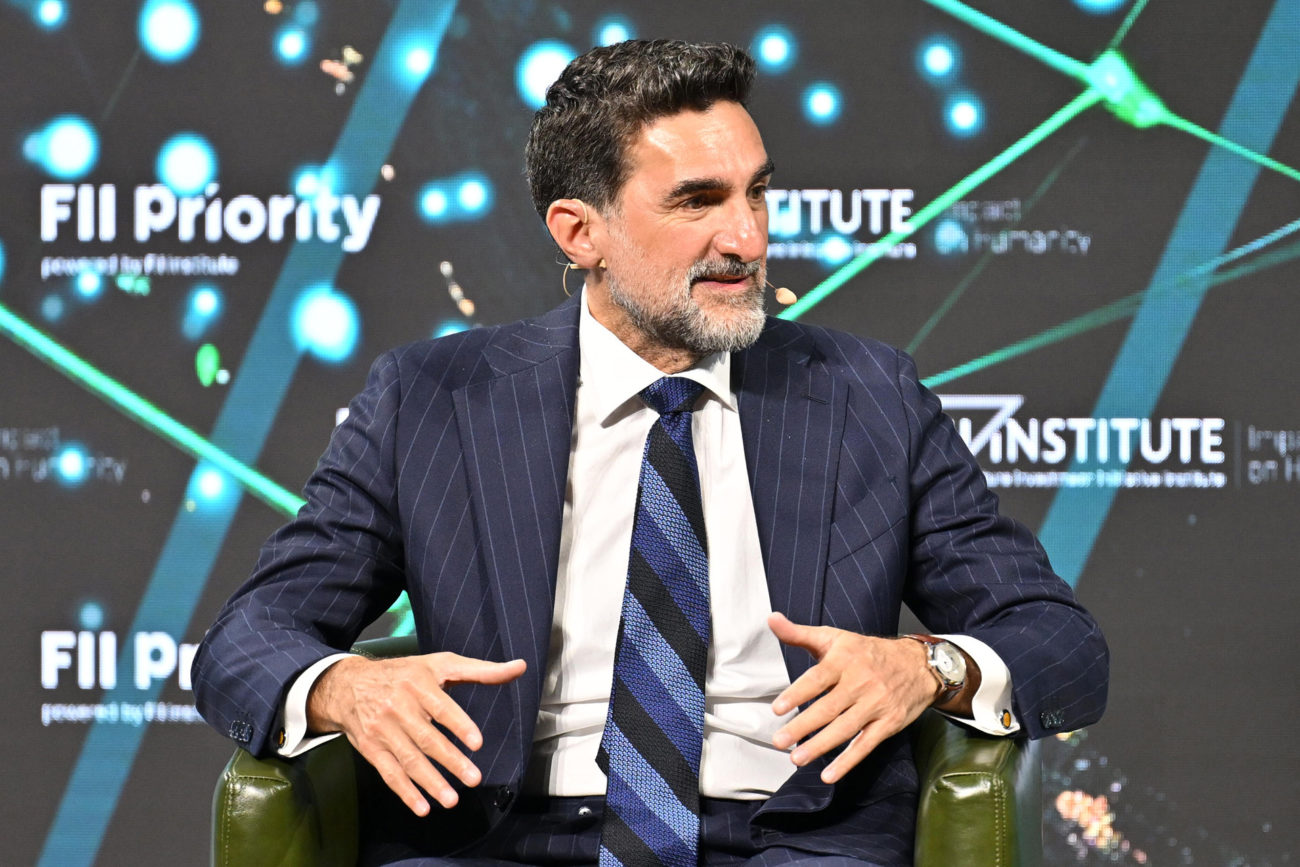
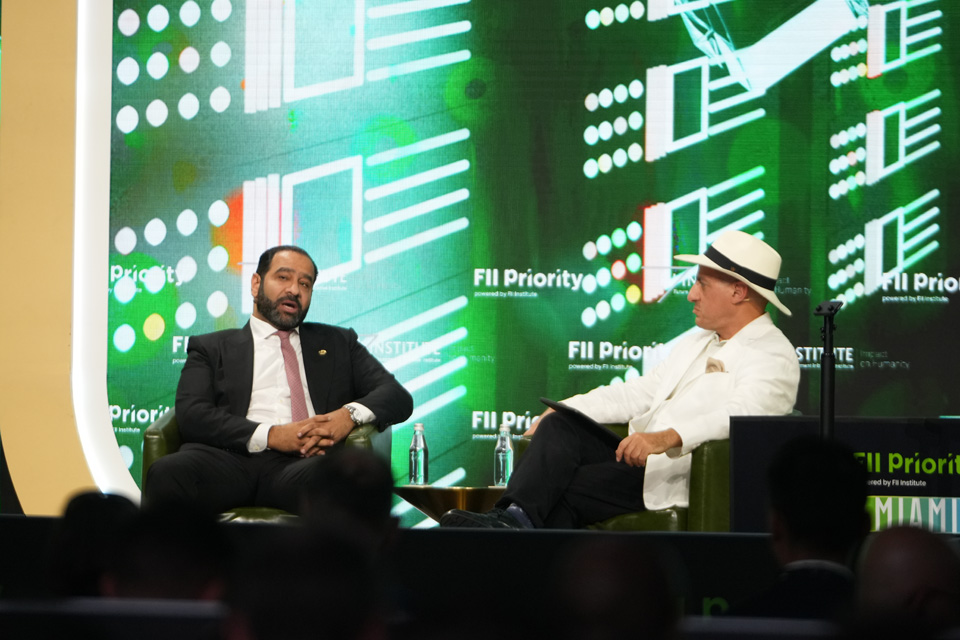
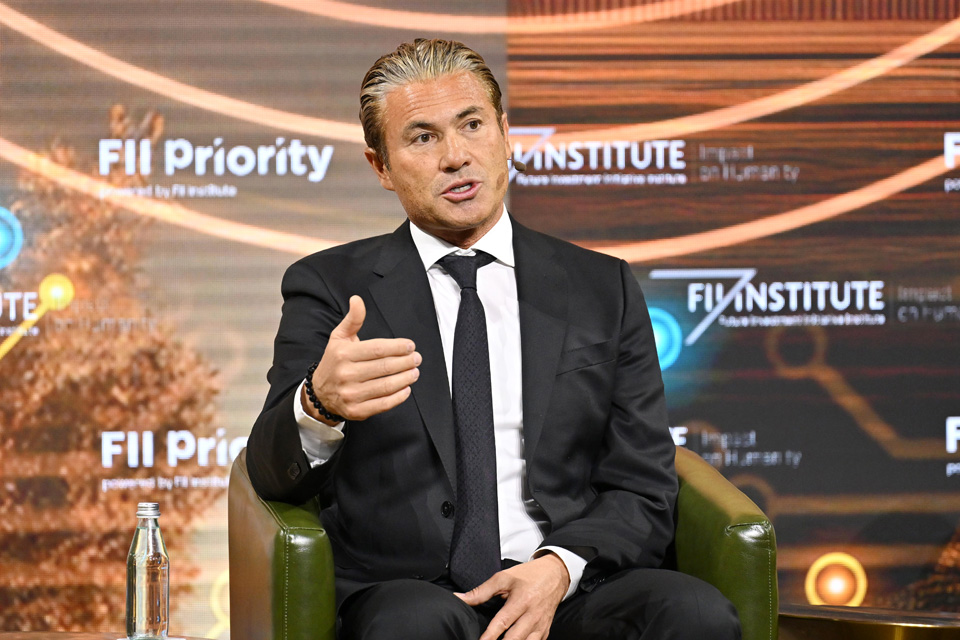
Yasir bin Othman Al-Rumayyan, Governor of Public Investment Fund (PIF) and Chairman of Saudi Aramco at FII Priority Miami 2026


By Jeannette Paulino, Middle East Section Editor


The energy at the Faena Forum and Faena Hotel last week was palpable. Over 2,000 leaders from 67 countries gathered in Miami for a three-day FII program under the theme โ€œCapital in Motion,โ€ spanning panels, fireside chats, private closed-door discussions, and a series of side events that extended across Miami Beach, Design District, and Brickell.


The conversations focused on where global capital is moving next and what hubs, cities, and sectors stand to benefit the most.


The conference did not shy away from the current geopolitical situation in the Middle East, the speakers leaned in noting their confidence in resiliency measures and rapid response taken by the GCC countries, and how this will make the region stronger than ever before. Investors, developers, and business leaders emphasized that this is a case of reset, agility, disciplined execution, and long-term positioning like any business would experience during an economic downturn.


Mohamed Alabbar, Founder, Emaar Properties; Founder, Noon.com from UAE shared โ€œThe GCC is a lot more resilient when working together.โ€ Across Saudi Arabia, the UAE, Kuwait, Bahrain, and Qatar, the region remains well positioned for long-term investment, even as higher returns are often accompanied by greater risk. FII highlighted โ€œDisruption is a permanent feature of the global economy.โ€


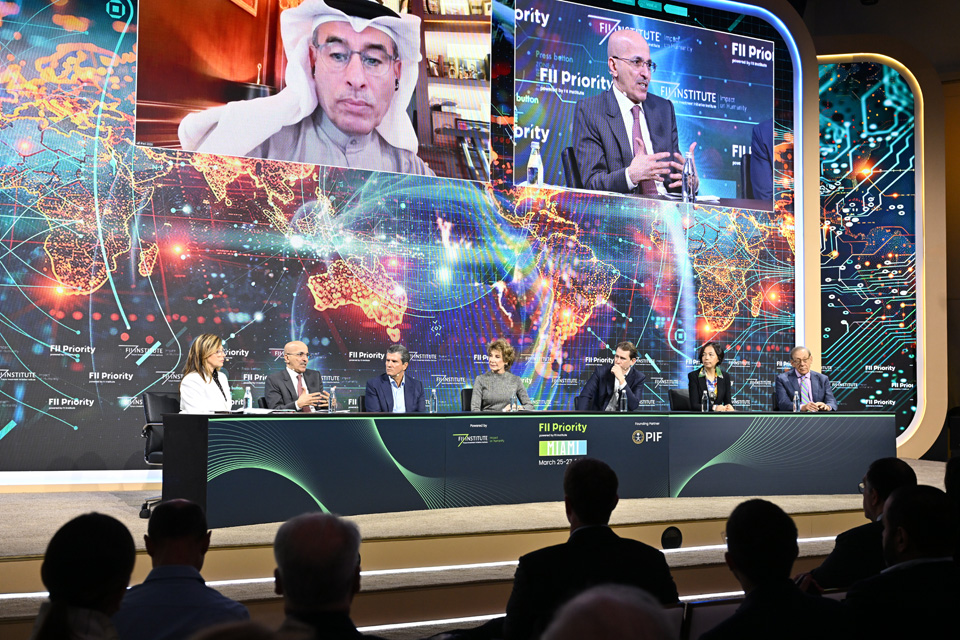
FII Priority Miami 2026 Panel: Board of Changemakers: A New Geography for Investment.
Speakers: H.E. Mohammed bin Abdullah Al-Jadaan, Minister of Finance, Kingdom of Saudi Arabia; H.E. Sebastian Kurz, Former Chancellor of Austria; Co-Founder & President, DREAM, Austria; Mohamed Alabbar, Founder, Emaar Properties; Founder, Noon.com, United Arab Emirates; Betsy Atkins, Google Cloud Advisory Board & Board Member, GoPuff & Wynn Las Vegas, United States; William E. Ford, Chairman & CEO, General Atlantic, United States, Dr. Fei-Fei Li, Professor, Stanford University; Co-Founder & CEO, World Labs, United States, Stephen M. Ross, Founder & Non-Executive Chairman, Related Companies; Chairman & Managing General Partner, Miami Dolphins, United States


FII brought business and government leaders who know the Latin America landscape well, dedicating the first day (Day 0) fully to investment opportunities in Latin America.


Across sessions, the region was consistently framed as a long term growth opportunity. Currently, as it stands, Latin America needs $40 trillion by 2030 to meet all its economic and infrastructure needs.


Abdulrahman Bakir from Saudi Arabiaโ€™s Ministry of Investment North Americas Office highlighted that the Kingdom is taking a proactive investment approach to allocate capital towards these developmental needs, while also supporting the Kingdomโ€™s economic diversification and investment agenda aligned with their priority sectors. In South America, the Saudi Ministry of Investment is investing in agriculture and food security in Brazil, ICT in Costa Rica, Connectivity, ports, and logistics in Panama, lithium and rare earth metals in Argentina and Chile. Concrete examples Bakir highlighted include: Saudi-based Manara acquisition of a significant stake in a value-based metals company, Saudi Aramco’s investment downstream in Chile, $75 million financing hospital project in St Lucia, and a $50 million bridge in Costa Rica.


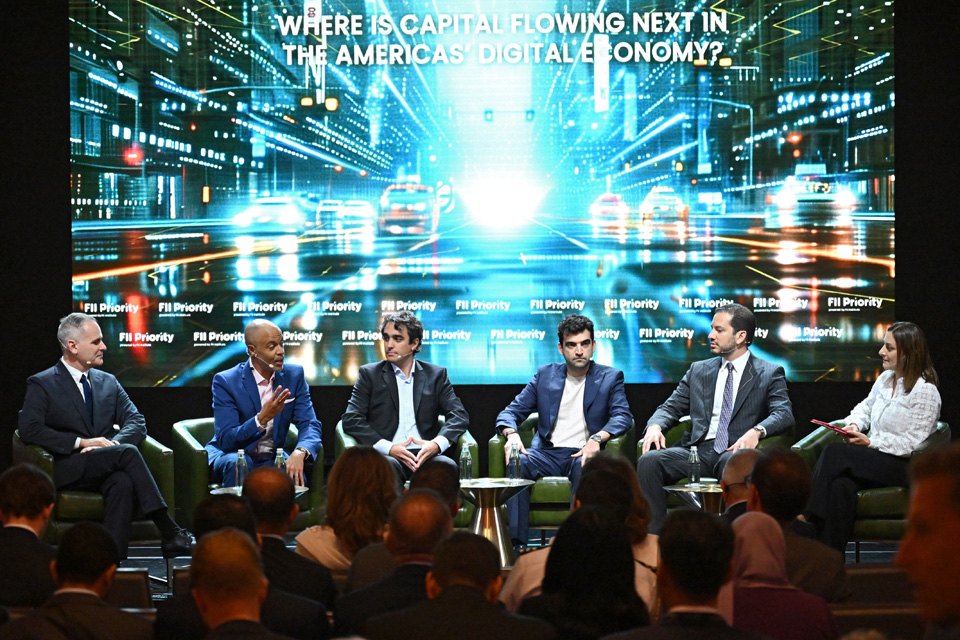
FII Priority Miami 2026 Where Is Investment Flowing Next in the Americasโ€™ Digital Economy?
Speakers:Eng. Abdulrahman T. Bakir, Managing Director-Americas, Ministry of Investment of Saudi Arabia (MISA); Gerry Giacomรกn Colyer, Co-founder & CEO, Clara, Brazil; Shu Nyatta, Founder & Managing Partner, Bicycle Capital, United States; Emiliano Mroue, Founder & CEO, Fibrazo, Colombia; Chris Pilkerton, Assistant Secretary for Investment Security, U.S. Department of the Treasury, U.S.


On the sidelines of the summit, Saudi Eksab signed a Memorandum of Understanding with Inter-American Development Bank to advance investment opportunities across Latin America, with an initial emphasis on Central America and the Caribbean, targeting both direct investments and early-stage venture opportunities.


Saudi Eksab also finalized a separate framework agreement with BTG Pactual, one of the largest investment firms in Latin America, to deepen collaboration across private markets. This partnership is designed to create a dedicated Latin America-focused alternative investment platform, effectively streamlining how Gulf capital enters the regionโ€™s emerging tech and infrastructure sectors.


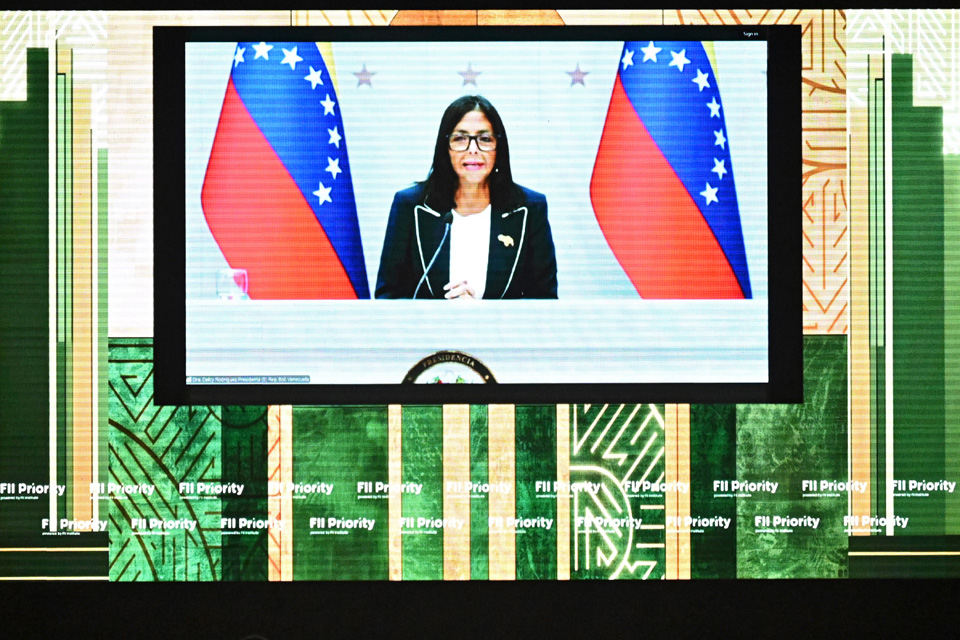
Delcy Rodrรญguez Gรณmez, Acting President of Venezuela, joined virtually and spoke to the countryโ€™s economic direction and investment landscape, highlighting growing engagement from more than 120 energy companies spanning the United States, the Middle East, Asia, Africa, and Europe.

There is a noticeable shift in how LATAM is being discussed. It is less so about volatility, and more about execution with speed and capital. Less about potential, more about long-term upside.


Delcy Rodrรญguez Gรณmez, Acting President of Venezuela at FII Priority Miami 2026


Beyond Latin America, the following two days brought voices to the main stage to discuss the future of digital assets and financial systems, the evolving nature of work and human capital through 2050, how AI and agentic AI will continue to impact every sector, and where to place hospitality and tourism bets.


A recurring theme was the repositioning of cities as integrated investment systems, where long-term value is driven not just by individual assets, but by how ecosystems are built and sustained.


Leaders like Dina Powell Mccormick, President and Vice-Chair of META, John Pagano, CEO of Red Sea Global, and Jerry Inzerillo, Group CEO of Diriyah Company, and Rayan Fayez, Deputy CEO of NEOM, are actively shaping investment strategy and large-scale development across the GCC, from AI initiatives to major sustainability projects.


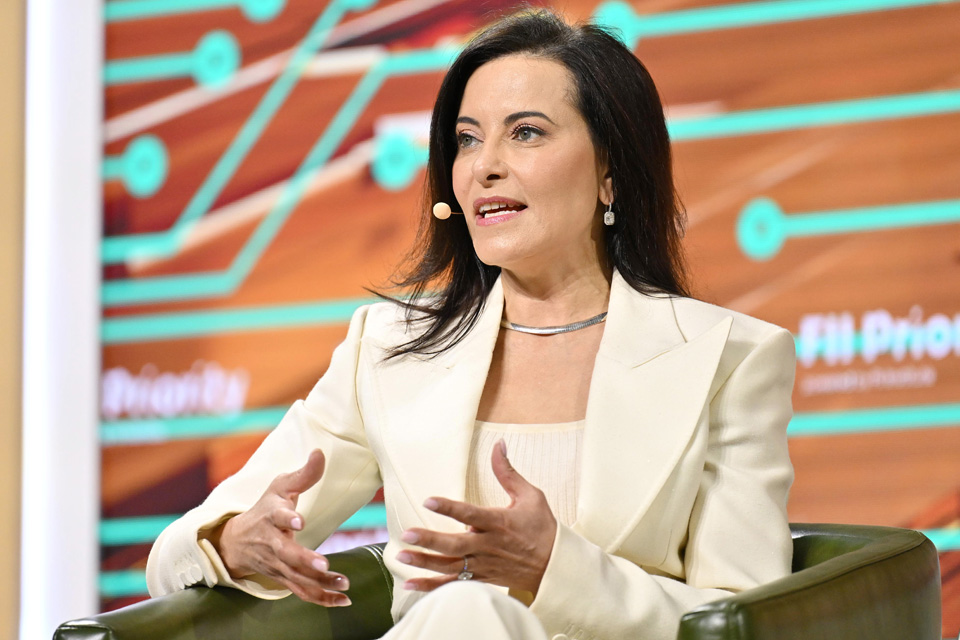
Dina Powell Mccormick, President and Vice-Chair of META at FII Priority Miami 2026 Panel: Is the Hyperscaler Partnership the Most Important Deal a Nation can Make?

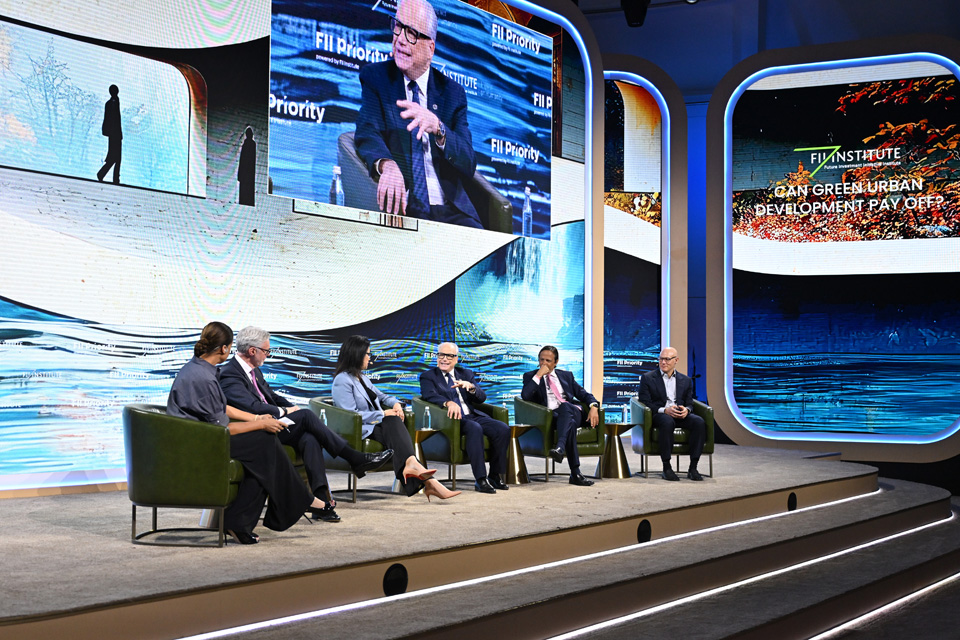
FII Priority Miami 2026 Panel: Can Urban Development Panel Pay Off Speakers: Michael Dyke, CEO, New Murabba, Kingdom of Saudi Arabia; Diane Hoskins, Global Co-Chair, Gensler, U.S.; Gerard Inzerillo, Group CEO, Diriyah Company, Kingdom of Saudi Arabia; John Pagano, Group CEO, Red Sea Global, Kingdom of Saudi Arabia; Craig Robins, CEO & Founder, Dacra, U.S.

Rayan Fayez, Deputy CEO of NEOM, FII Priority Miami 2026 Panel: Which Computer Hubs will Win the Next Hub of AI?


At the same time, investors are becoming more selective in how they evaluate markets. Capital is increasingly flowing toward countries that demonstrate policy clarity, execution at scale, and strong alignment between public and private sector priorities.


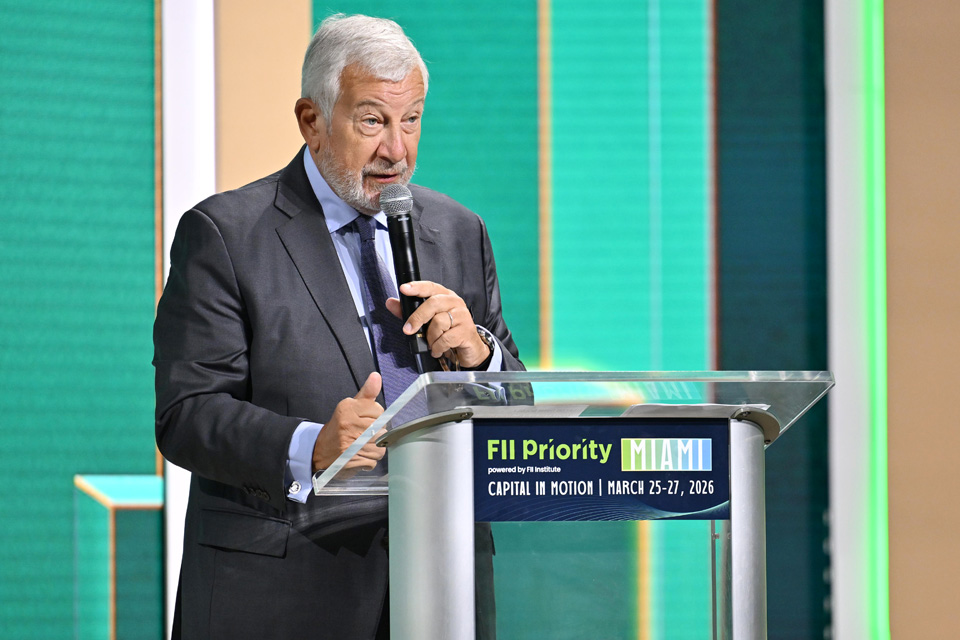
A notable announcement made by Richard Attias, FII Chairman and Acting CEO was the launch of the Capital in Motion Index (CMI), a new global initiative designed to track how capital flows across borders, sectors, and technologies. This announcement signals a push toward transparency and precision in understanding where opportunity is emerging globally.


Richard Attias, FII Chairman and Acting CEO at FII Priority Miami 2026


Artificial intelligence also featured prominently, not just as a technology trend, but as a core driver of efficiency, scale, and long-term competitive advantage across industries.


FII also continued its focus on innovation through the FII Innovators Pitch in partnership with MIT Solve, connecting startups in sectors most important for capital allocation, including artificial intelligence, sustainability, healthcare, and education with global investors and partners.

HUMAIN, a Public Investment Fund-backed AI company, announced a partnership with Turing, a fast growing AI company to launch what is being positioned as the worldโ€™s first enterprise AI agent marketplace. The platform is designed to help companies discover, deploy, and scale AI agents across their operations.


Tarek Amin, CEO, HUMAIN on FII Priority Miami 2026 Panel: How to go AI-Native


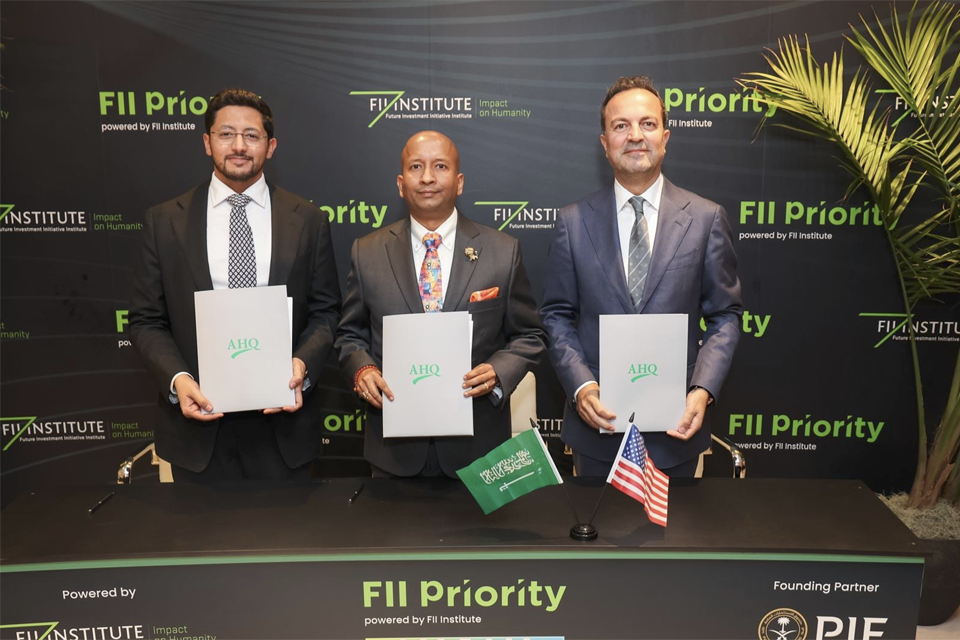
On the hospitality front, the Patel Family Office and AHQ announced a $1 billion hospitality platform, called AYARA, to develop 50 hotels across Saudi Arabia, catering specifically to the surge in business travel and the Kingdomโ€™s rapid growth.


The Patel Family and AHQ; H.E. Abdulmalik Tariq Al-Qahtani, CEO of AHQ, Patel Family Office Vice Chairman and Managing Partner Lakshmi Narayanan, Vice Chairman of ATQ Hospitality Group, Matt Jordan


If there is one clear takeaway for the Exclusive Luxury Magazine community, it is this: capital is not slowing down. It is being redirected toward the most ambitious projects, regions with real assets, and opportunities aligned with long term national priorities.


Latin America is firmly part of that equation. The partnerships announced in Miami point to a deeper level of engagement between the Gulf, South Florida, and the region.


As those relationships continue to develop, Miami is well positioned to play a central role in how they take shape.


Upcoming interviews will feature some of the key leaders shaping todayโ€™s global investment and economic landscape.

ยฉ Ras Al Khaimah Tourism Development Authority


By Jeannette Paulino, Middle East Section Editor


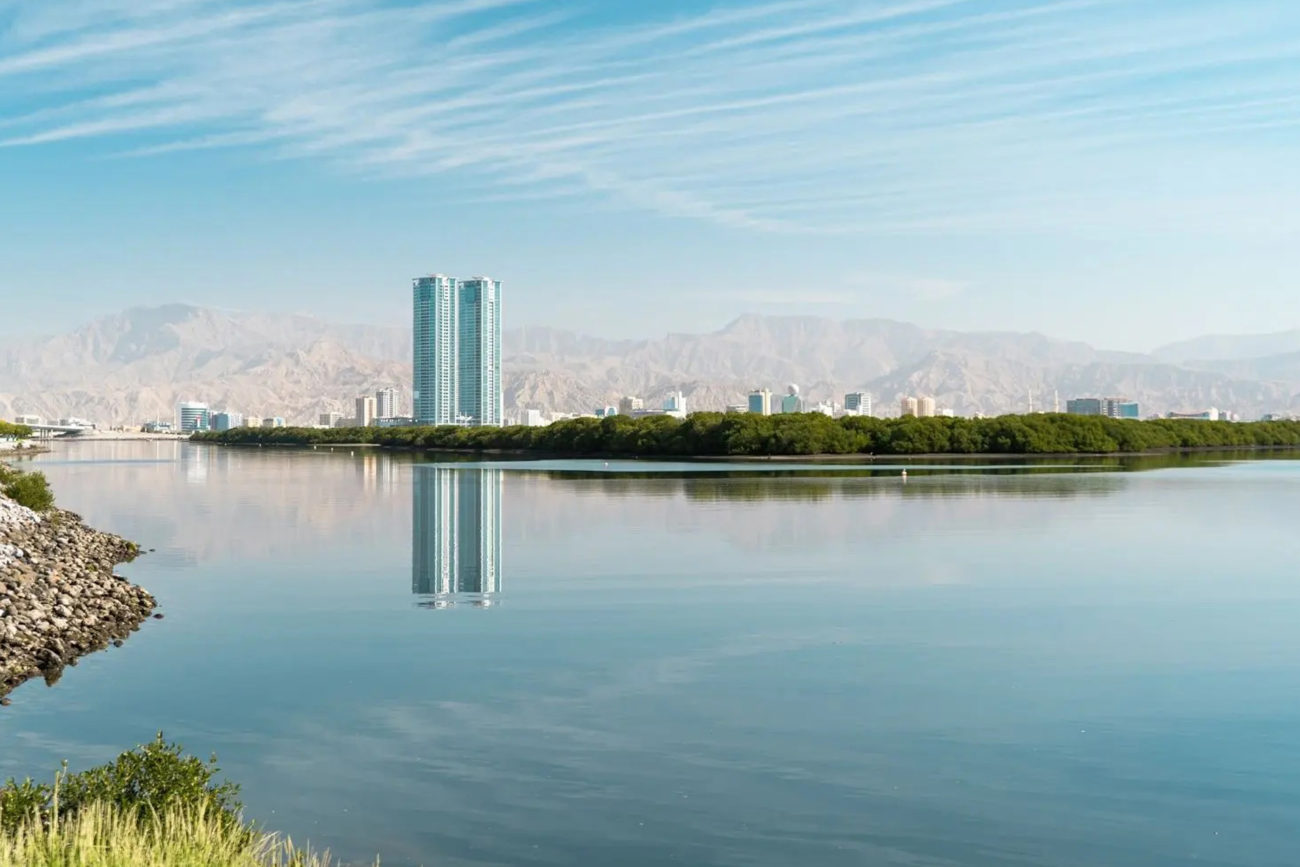
For decades, the global spotlight has shone brightly on Dubai and Abu Dhabi. Today, Ras Al Khaimah is emerging as one of the United Arab Emirates’ most intriguing emirates. Framed by the turquoise waters of the Arabian Gulf, the golden desert, and the dramatic peaks of the Hajar Mountains, it offers an alluring combination of breathtaking natural beauty, refined luxury, rich heritage, and bold ambition. Once considered one of the UAE’s best-kept secrets, Ras Al Khaimah is rapidly capturing international attention as world-renowned hospitality brands, landmark developments, and visionary investments reshape its future. Ras Al Khaimah provides a different side of the UAE, pursuing bold growth on its own terms.


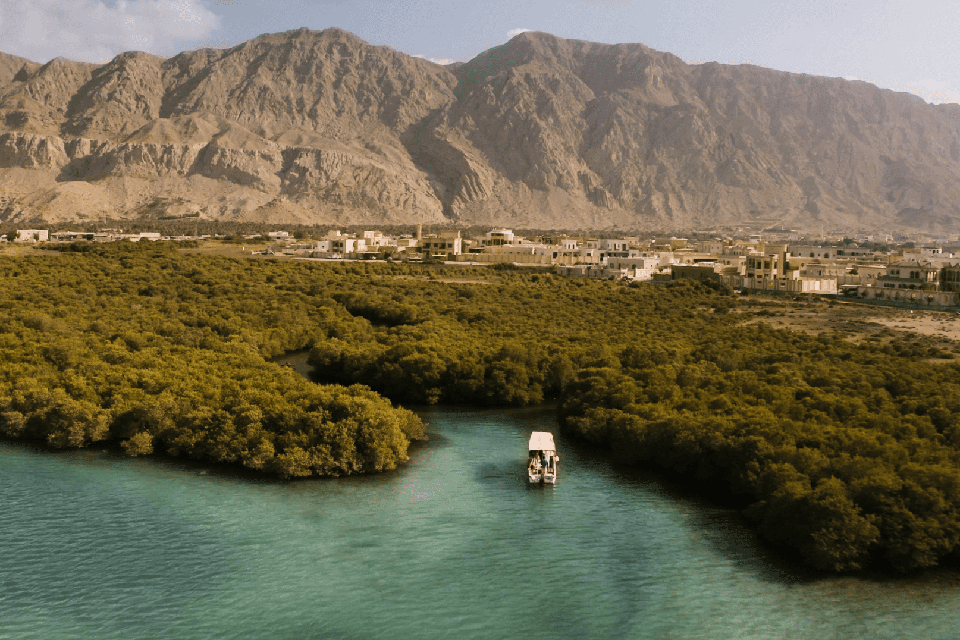
Along the northern edge of the United Arab Emirates, white-sand beaches, mangrove forests, terracotta desert, rugged mountains, and deep canyons form the backdrop of an emirate undergoing a striking transformation.


It is where Dubai residents escape for rest and respite, where companies host weekend retreats, and where a growing international community has moved in search of a more serene quality of life.


An hour north of Dubai, Ras Al Khaimah, otherwise simply referred to as โ€œRAK,โ€ is one of the seven emirates, and is on the precipice of global recognition far and wide.

The Emirate Defined by Nature

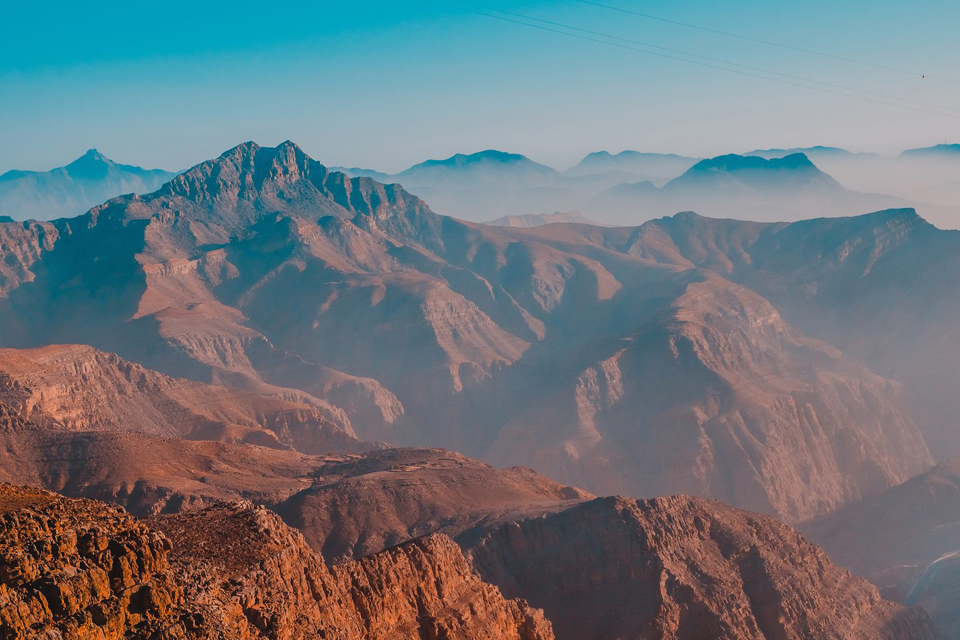
Ras Al Khaimah is known as the โ€œNature Emirateโ€ for its combination of 68 kilometers of turquoise coastline, golden desert, mangroves, and mountains.


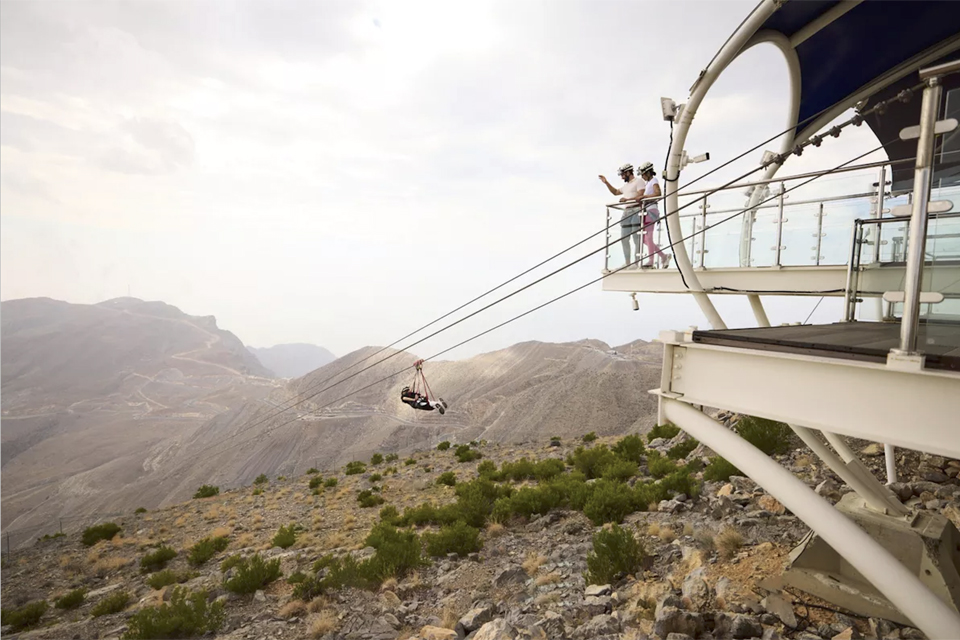
Locals and tourists who visit can begin the morning kayaking through mangroves or relaxing beside the Arabian Gulf, then spend the afternoon hiking or dining in the mountains. Jebel Jais, located on the eastern side of RAK, is the highest mountain in the UAE and home to scenic trails, breathtaking views, and Jais Flight, the worldโ€™s longest zipline.


Jais Mountains, Ras Al Khaimah, UAE ยฉ Ras Al Khaimah Tourism Development Authority

Jebel Jais Flight ยฉ Ras Al Khaimah Tourism Development Authority

Ras Al Khaimah is known as the โ€œNature Emirateโ€ for its combination of 68 kilometers of turquoise coastline, golden desert, mangroves, and mountains.

Ras Al Khaimah is a special place. It offers adventure and relaxation, without the crowds or intensity often associated with the regionโ€™s larger cities.

Luxury by the Natural Landscape

Luxury in Ras Al Khaimah is closely connected to its natural surroundings.


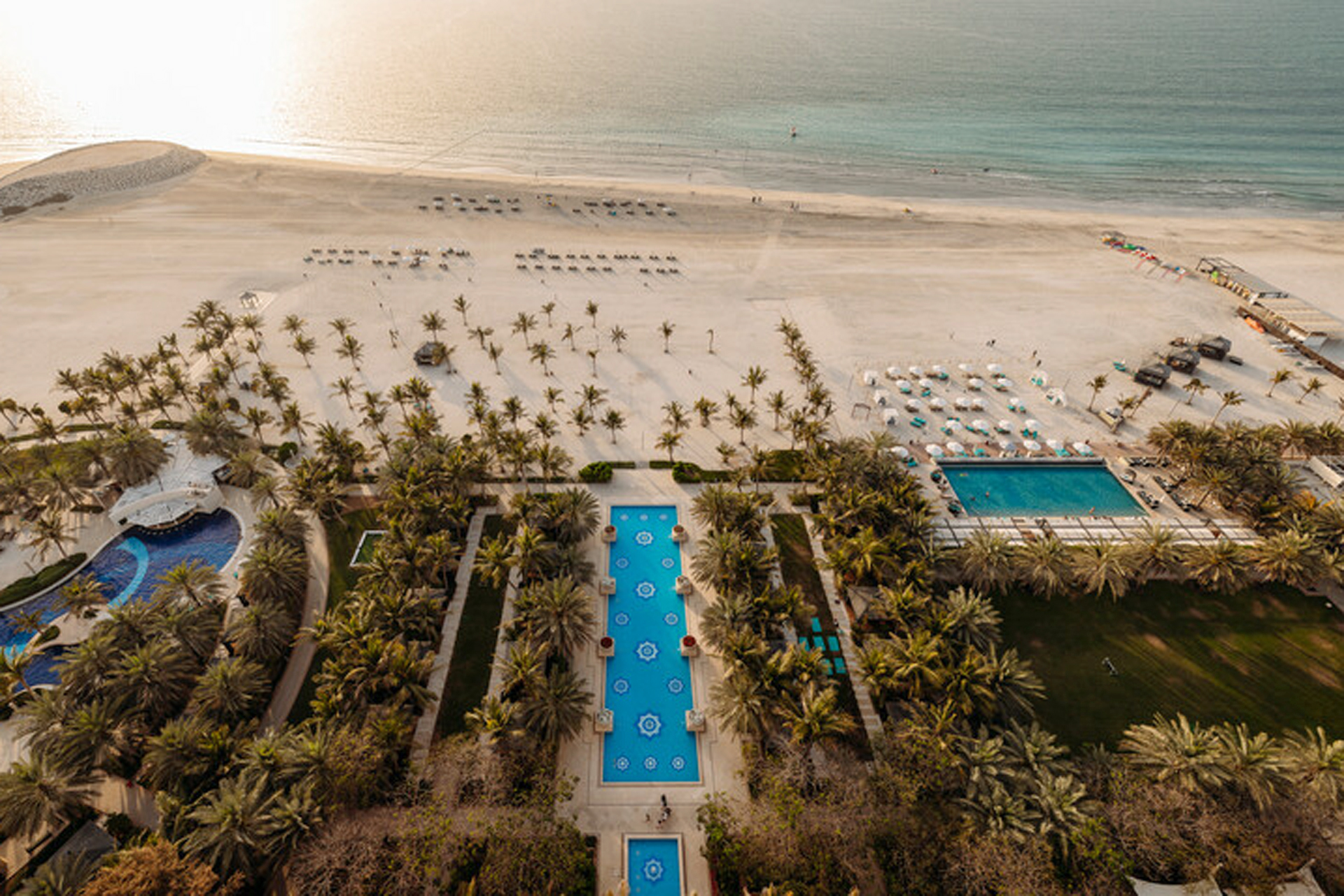
The emirate is home to world-class hotel brands, including Waldorf Astoria, The Ritz-Carlton, Anantara, InterContinental, Mรถvenpick, and Sofitel.


Waldorf Astoria

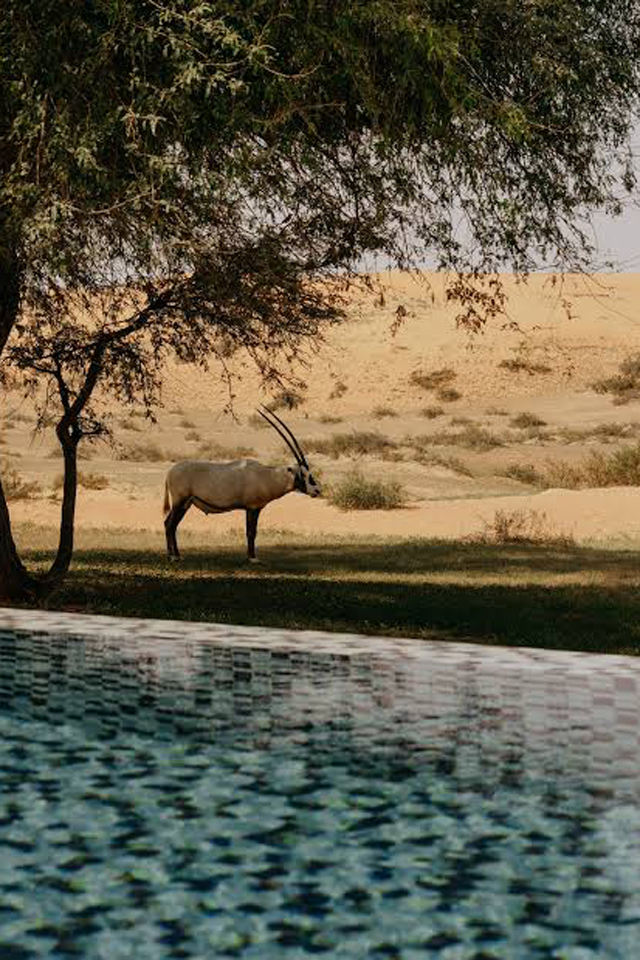
At The Ritz-Carlton Al Wadi Desert, private villas sit within a nature reserve inhabited by Arabian oryx and gazelles. Guests can experience lessons with falcons, horseback riding, and outdoor dinners beneath the stars.


Ritz-Carlton Ras Al Khaimah, Al Wadi Desert ยฉ Ritz-Carlton Ras Al Khaimah, Al Wadi Desert

Luxury in Ras Al Khaimah is closely connected to its natural surroundings.

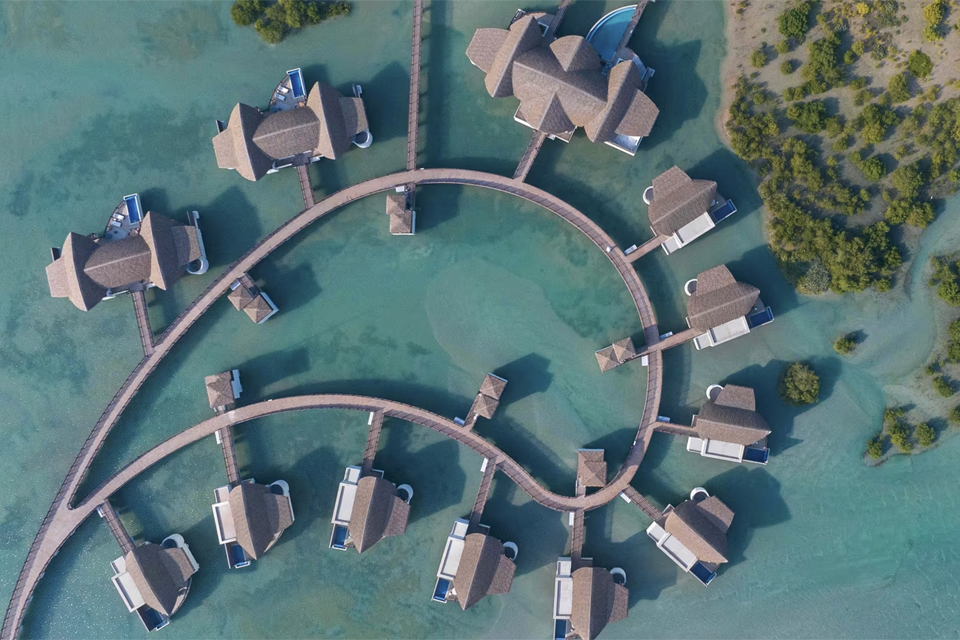
Not too far away, along the coast, resorts such as Anantara Mina introduced private overwater villas surrounded by mangroves, giving visitors a tropical experience within the UAE.


Staying in Ras Al Khaimah offers a grounding connection to nature and sanctuary.


Anantara Mina Ras Al Khaimah Resort ยฉ Anantara

More Than a Resort Destination

Ras Al Khaimahโ€™s story extends beyond its newest hotels.


The emirate has 7,000 years of history shaped by fishing, agriculture, trade and pearl diving, and is home to about 1,000 historical and archaeological sites.


At Suwaidi Pearls, a popular tourist destination, visitors can travel by traditional boat to a working pearl farm and learn how generations of Emiratis once depended on the sea.


Al Rams Suwaidi Pearls ยฉ Ras Al Khaimah Tourism Development Authority


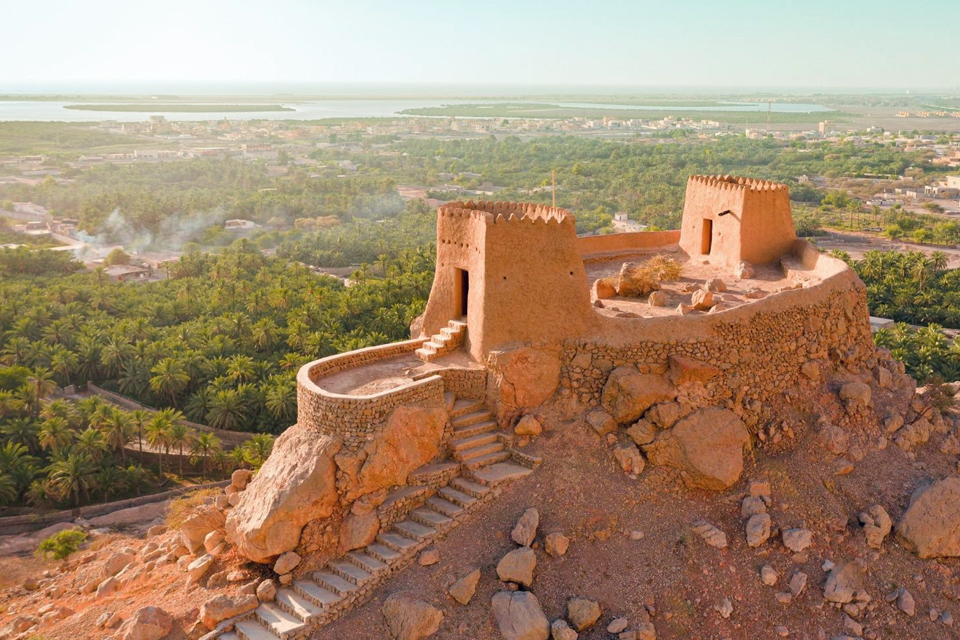
About a ten-minute drive away, Dhayah Fort, a 19th-century historic fortress, sits above date-palm gardens with views of the sea on the horizon. Al Jazirah Al Hamra, an abandoned village built from coral stone, provides a glimpse into life in Ras Al Khaimah before the countryโ€™s rapid modernization.


Ras Al Khaimah beautifully brings together the past and present and is now preparing to enter a defining new chapter.


Dhayah Fort ยฉ Ras Al Khaimah Tourism Development Authority

Shaping the UAE’s Next Chapter

Beyond its beautiful nature, beaches, and history, construction cranes now decorate what once was a beige canvas, as Ras Al Khiamah prepares for significant growth in terms of population, tourism, and investment.


Ras Al Khaimah is one of the fastest-growing emirates in the UAE, with a stable economy and strong business environment. The emirate is strategically located near major shipping lanes, with five ports, and an international airport connecting it to countries across South Asia, North Africa, the Arabian Gulf, and Eastern Europe.

Ras Al Khaimah is one of the fastest-growing emirates in the UAE, with a stable economy and strong business environment.

Under the leadership of His Highness Sheikh Saud bin Saqr Al Qasimi, UAE Supreme Council Member and Ruler of Ras al Khaimah, the emirate has pursued an ambitious strategy centered on sustainable development, economic diversification, education, and quality of life.


The strategy focuses on preparing for a future in which its population size is expected to increase by 50% and tourism to double by 2030.


Over the last few years, Ras Al Khaimah has attracted foreign direct investment from around the world across a range of economic sectors, including real estate, technology and innovation, advanced manufacturing, and, of course, tourism.


New resorts and entertainment attractions have found a home in RAK. International hospitality brands, such as Nobu, Rosewood, Mandarin Oriental, St Regis, W Hotels, Nikki Beach are making their way to the emirate as demand for tourism and residential living continues to grow.


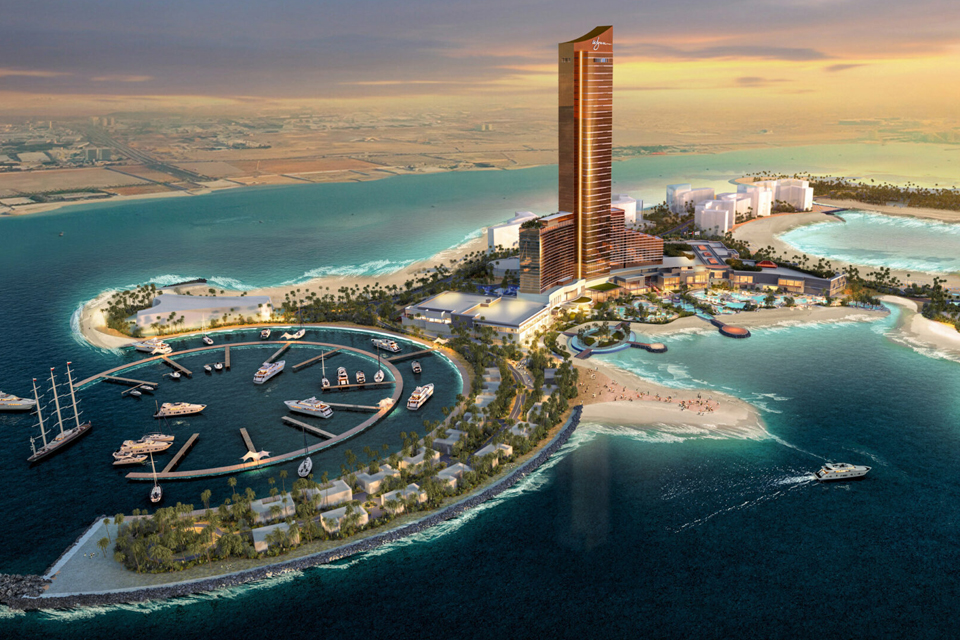
The most notable development attracting the greatest international attention is Wynn Al Marjan Island, a $5.7 billion USD project, an integrated resort and the first-ever casino in the Arabian Gulf.


Scheduled to open in September 2027, Wynn Al Marjan Island will include more than one thousand rooms, suites and villas, 22 restaurants, lounges and bars, along with a theater, a beach club, a shopping promenade, and an events center.


Wynn Al Marjan Islandโ€™s significance extends beyond hospitality. The project has become a global signal of confidence in Ras Al Khaimah’s long-term vision, reinforcing the emirate’s growing international profile as a place to invest, do business in, and consider moving to.


Yet, Wynn will only be one part of a broader transformation unfolding across Ras Al Khaimah. The emirate is on the cusp of a momentous shift.


Wynn Al Marjan Island, Ras Al Khaimah, UAE


While its fellow emirates built their global reputations on sheer scale and financial weight (Dubai with its iconic skyline, Abu Dhabi with its cultural landmarks and sovereign wealth), Ras Al Khaimah has operated largely under the global radar.


Yet regional visitors, early investors, and businesses have quietly known about this best-kept secret for years.


Now, as the emirate enters a defining chapter in its modern history, that is beginning to change. Its unique blend of nature, heritage, visionary leadership, and carefully planned growth is reshaping its place within the United Arab Emirates, and influencing the countryโ€™s future as well.


Ras Al Khaimah is an emirate to watch.


For further information, please contact Jeannette Paulino at jeannette@magazineluxe.com.