
YOUR ONLINE MAGAZINE FOR LUXURY REAL ESTATE & ART DE VIVRE

Home / 2026

Set on Versant Soleil in Mont-Tremblant, Eclipse Tremblant presents a rare collection of alpine villas designed for those who value privacy, permanence, and an elevated mountain lifestyle — where nature, architecture, and four-season living converge just minutes from the vibrant resort village. Mont-Tremblant is recognized as one of North America’s most distinctive mountain destinations, celebrated for its European charm, year-round recreational opportunities, and sophisticated resort culture. With easy access from major northeastern U.S. cities, it offers international buyers an exceptional combination of convenience, natural beauty, and Canadian stability — making it a rare opportunity for those seeking an exclusive residence or vacation home in a premium mountain setting.

A New Standard in Mountain Living

Set for occupancy this summer, Eclipse Tremblant represents a new chapter in the evolution of high-end mountain living. Rather than adding density to an already desirable market, the project focuses on space, proportion, and architectural integrity. These are four- and five-bedroom villas ranging from 3,085 to 3,550 square feet, positioned along a private alpine street where forest, slope, and sky shape the experience.


A Vision for Lasting Residences

For Evelyne Cossette of Waddell Construction, the idea began with a clear observation: Tremblant is extraordinary, but the luxury segment lacked a true alpine estate offering. The market was filled with condominiums and short-term secondary residences, yet there were few opportunities for families seeking refined mountain homes designed with longevity in mind.


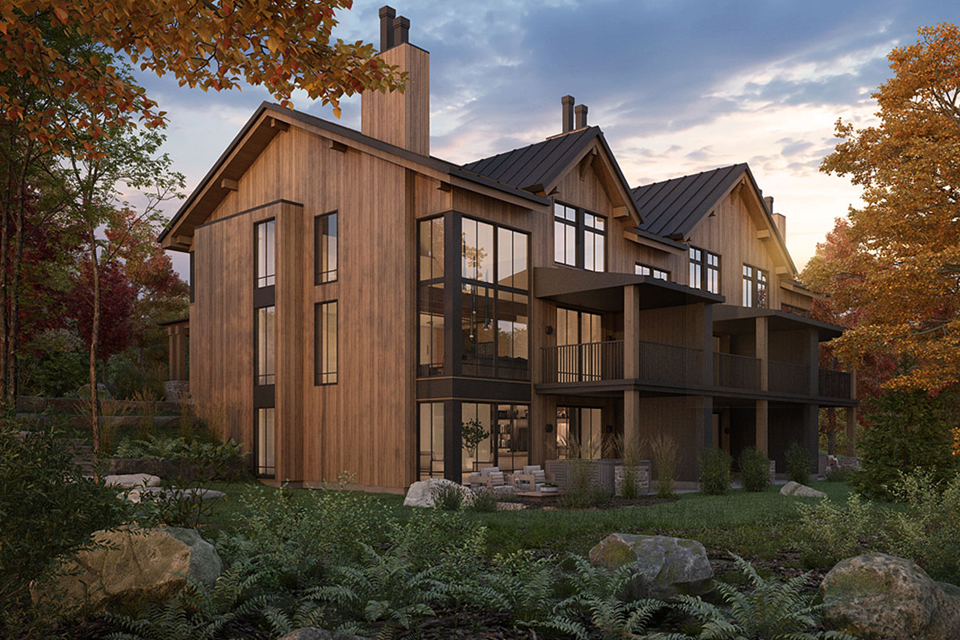
The vision for Eclipse was to create residences that feel permanent. Homes where design, sightlines, and density are carefully controlled so that owners experience space rather than proximity. With only 37 villas in the entire enclave, privacy was engineered from the master plan forward. Each home preserves forest buffers and architectural breathing room. When owners step onto their terraces, they look toward trees and mountain rather than neighboring rooftops.
 

© NATUR Intérieurs

Seamless Connection to Nature

True ski-in/ski-out integration was approached practically, not as a marketing phrase. Each villa connects directly to the Algonquin trail, allowing fluid access to the slopes. Interior circulation supports that lifestyle with dedicated ski rooms and intuitive transitions between exterior and interior. Skiing becomes an extension of home life rather than a logistical effort.


Arrival reinforces the tone. Owners ascend to an elevated private street where the atmosphere shifts almost immediately. The vibrancy of the pedestrian village remains only minutes away, yet the setting feels calm and discreet, supporting outdoor activities year-round. For international families arriving from Montreal, New York, Miami, or Mexico City, that contrast is deliberate. Eclipse offers proximity without immersion in resort traffic.

Architecture in Dialogue with the Mountain

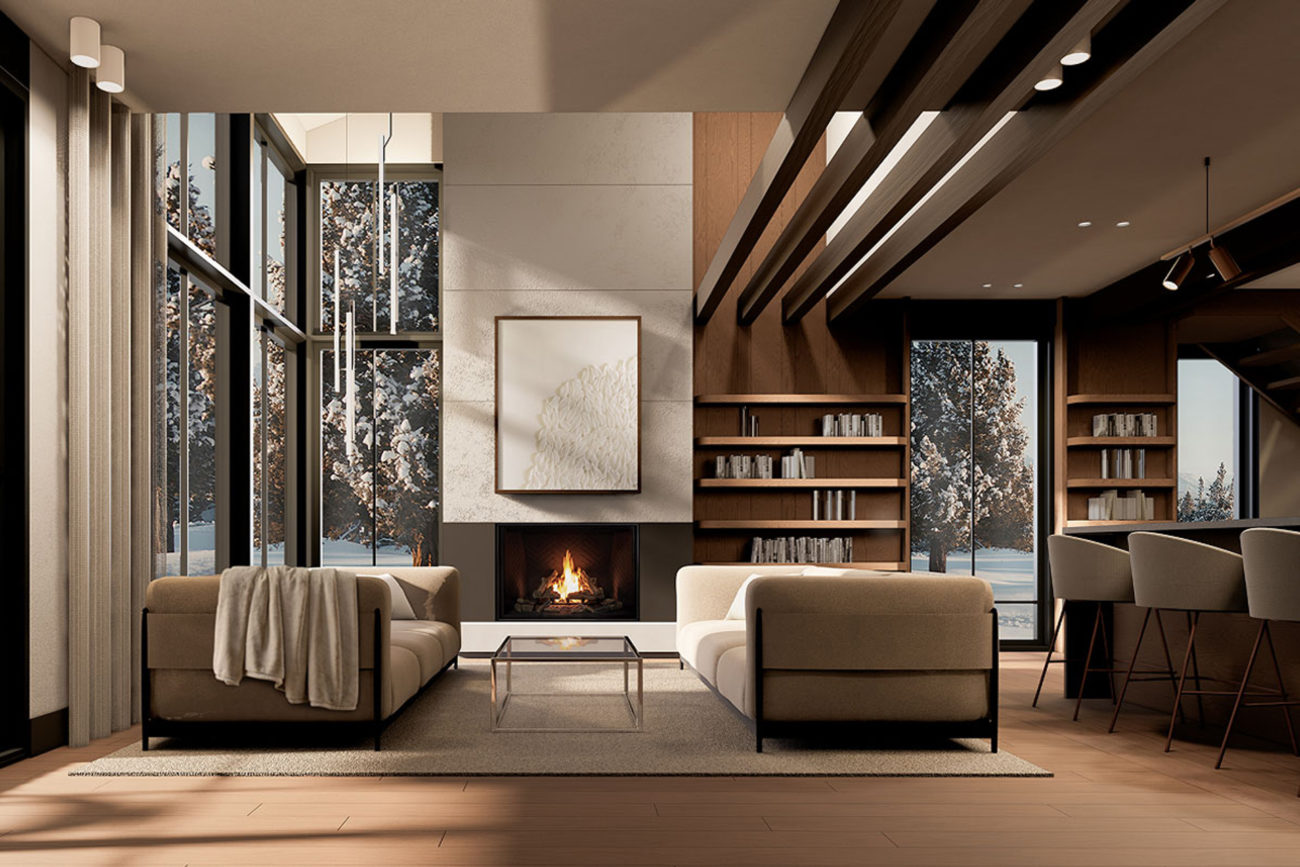
Architecturally, the villas interpret mountain luxury through restraint. Floor-to-ceiling windows frame the landscape rather than compete with it. Natural materials were selected to age well and remain relevant decades from now. The lines are clean, contemporary, and balanced. As Cossette describes it, mountain luxury is not about excess; it is about proportion, light, and silence.


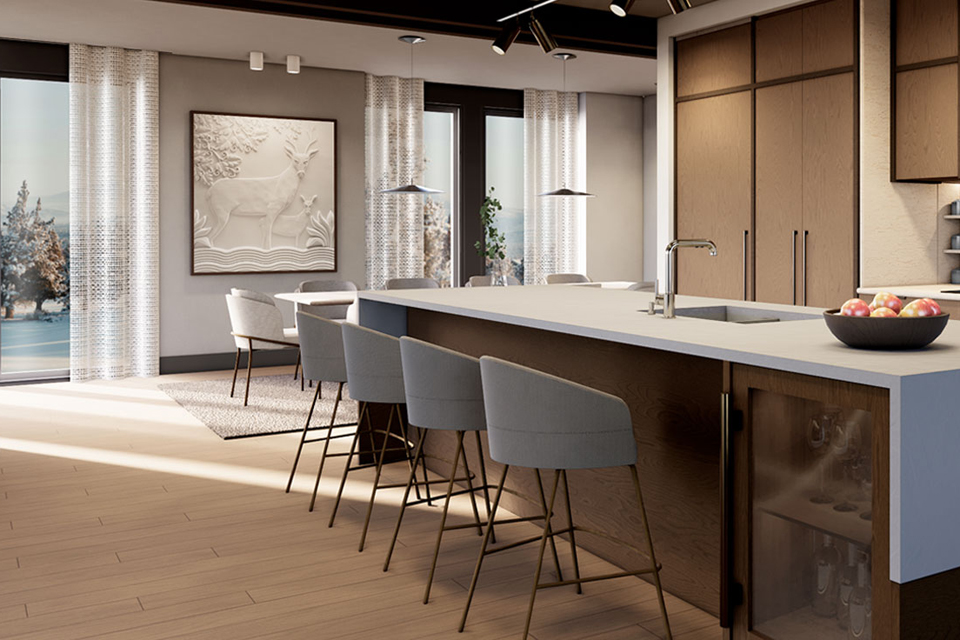
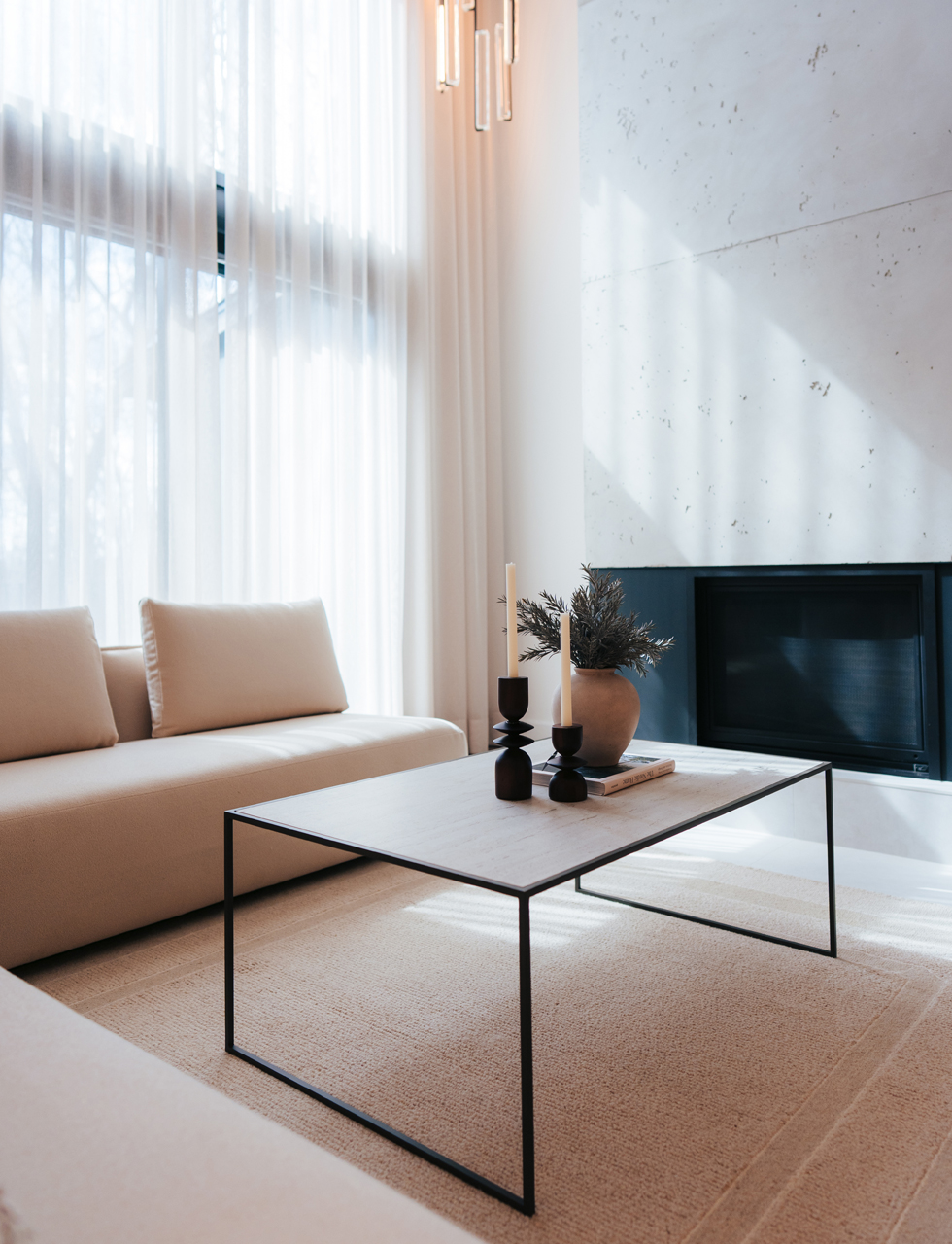
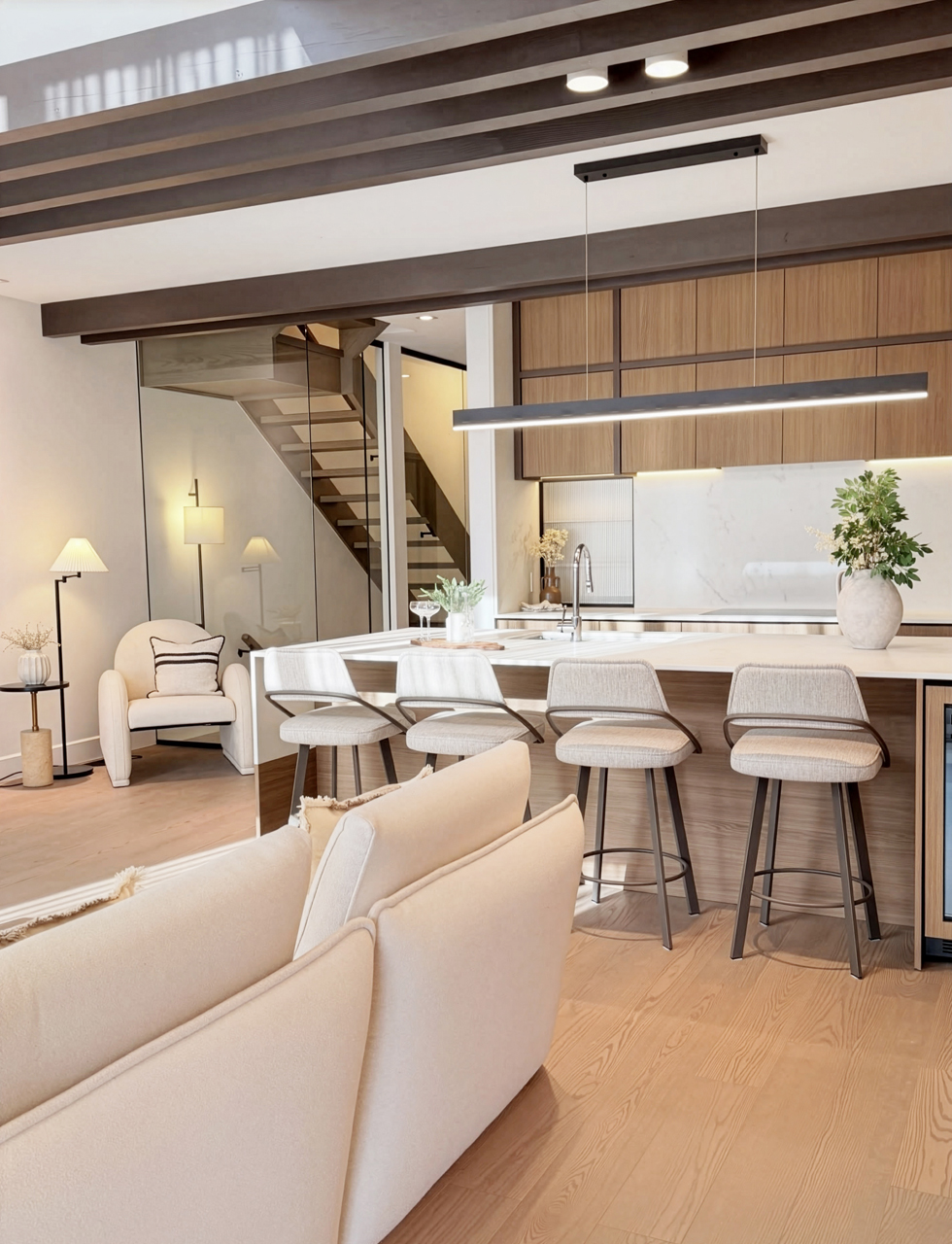
The interiors are scaled for connection. Great rooms filled with natural light accommodate slow mornings and evening gatherings around fire and wood. The architecture encourages rhythm — skiing integrated into the day, shared meals, views that shift with weather and season. In a market often defined by spectacle, Eclipse focuses on atmosphere and architectural clarity.

© NATUR Intérieurs

Between Retreat and Resort

The contrast between private retreat and resort vitality enhances lifestyle. Tremblant offers restaurants, boutiques, golf, hiking, lakes, and spas across all four seasons. Eclipse allows owners to decide when to participate and when to withdraw. That flexibility, the ability to move between energy and calm, is increasingly valuable to globally mobile families.


Tremblant itself continues to gain international recognition. While often associated primarily with skiing, it is a four-season destination with European charm, Canadian stability, and accessibility from major North American cities. For buyers comparing Colorado, Utah, or European alpine resorts, Tremblant offers a compelling balance: international appeal without saturation, strong infrastructure without overwhelming density, and a level of safety and discretion that resonates globally.


The Value of Scarcity

Eclipse strengthens that positioning through scarcity. There will only ever be 37 villas in this collection. Once complete, the enclave closes. In high-demand markets, irreplaceability carries weight. Limited inventory combined with true slope access creates structural value that extends beyond seasonal appeal.


Waddell Construction brings substantial experience to the project. A long-standing presence in Tremblant’s luxury real estate market, the firm has partnered on major developments including Verbier Tremblant, Tremblant-les-Eaux, Havre des Légendes, and Horizon Tremblant. Each project demonstrates an ability to execute high-end alpine construction at scale. Eclipse represents a deliberate evolution — fewer units, more space, greater architectural discipline.

A Rare Opportunity in Mont-Tremblant

From an ownership perspective, Eclipse balances emotional connection with long-term positioning. Tremblant’s strong high-end seasonal demand provides flexibility for those who wish to rent, yet the villas were conceived as residences first. When architecture prioritizes ownership experience over turnover, the property’s identity remains intact.


Ultimately, Eclipse Tremblant is not defined by trend or spectacle. It is defined by location, proportion, and permanence. Direct slope access. Architectural clarity. Limited inventory. A private alpine address within one of North America’s most established four-season destinations. With only 37 villas, this collection represents a rare opportunity for families or international buyers seeking privacy, timeless design, and a meaningful investment that retains value across the seasons.


villas.eclipsetremblant.com

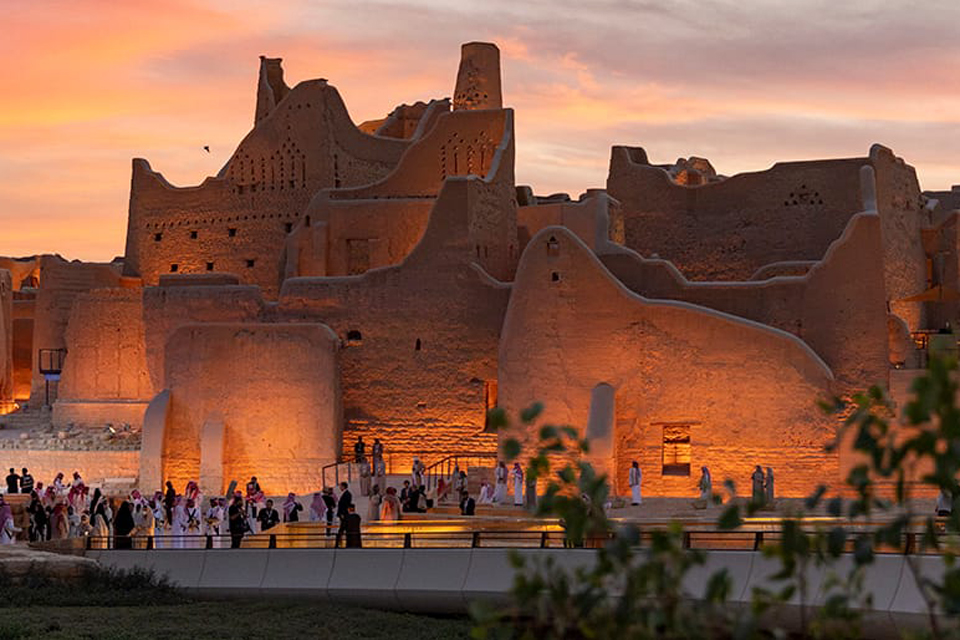
At-Turaif in Diriyah, a UNESCO World Heritage site at Diriyah


By Jeannette Paulino, Middle East Section Editor


EXCLUSIVE LUXURY MAGAZINE had the pleasure of sitting down with Diriyah’s newly appointed Chief Marketing Officer, Abdulrahman Yahya Al-Jefri, a Saudi national who has been deeply embedded in the Kingdom’s transformation journey since the early days of Saudi Vision 2030. In this exclusive conversation, he reveals how culture, community, and immersive programming are at the heart of Diriyah’s evolution, positioning it as a defining luxury cultural destination and one of Saudi Arabia’s most compelling and fast-evolving places to visit.


Diriyah: where story of modern Saudi Arabia begins

To learn about Diriyah is to understand the origin story of modern Saudi Arabia.


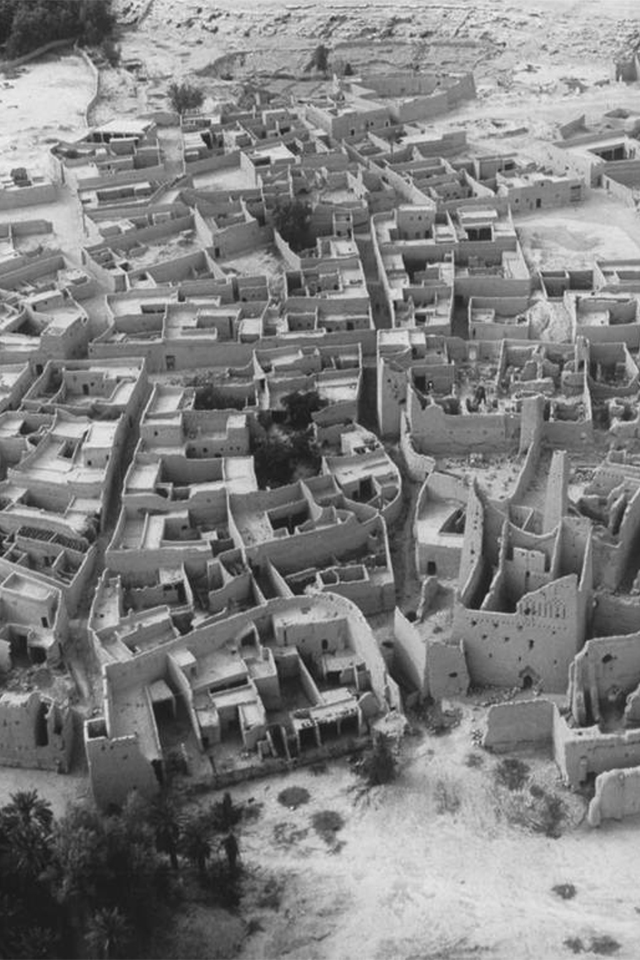
Historic photograph of Diriyah


Diriyah, is a historic city in the Kingdom’s capital, and one of Saudi Arabia’s giga projects, undergoing a major transformation to be a premier tourism, cultural, and lifestyle destination. With over $63 billion invested, the project aims to attract +50 million yearly visitors by 2030, without losing sight of its roots.


Located just outside Riyadh, Diriyah is a 300-year-old historic city that once served as the capital of the First Saudi State, established in 1727. It is the ancestral home of the Al Saud family and the birthplace of the Kingdom itself.


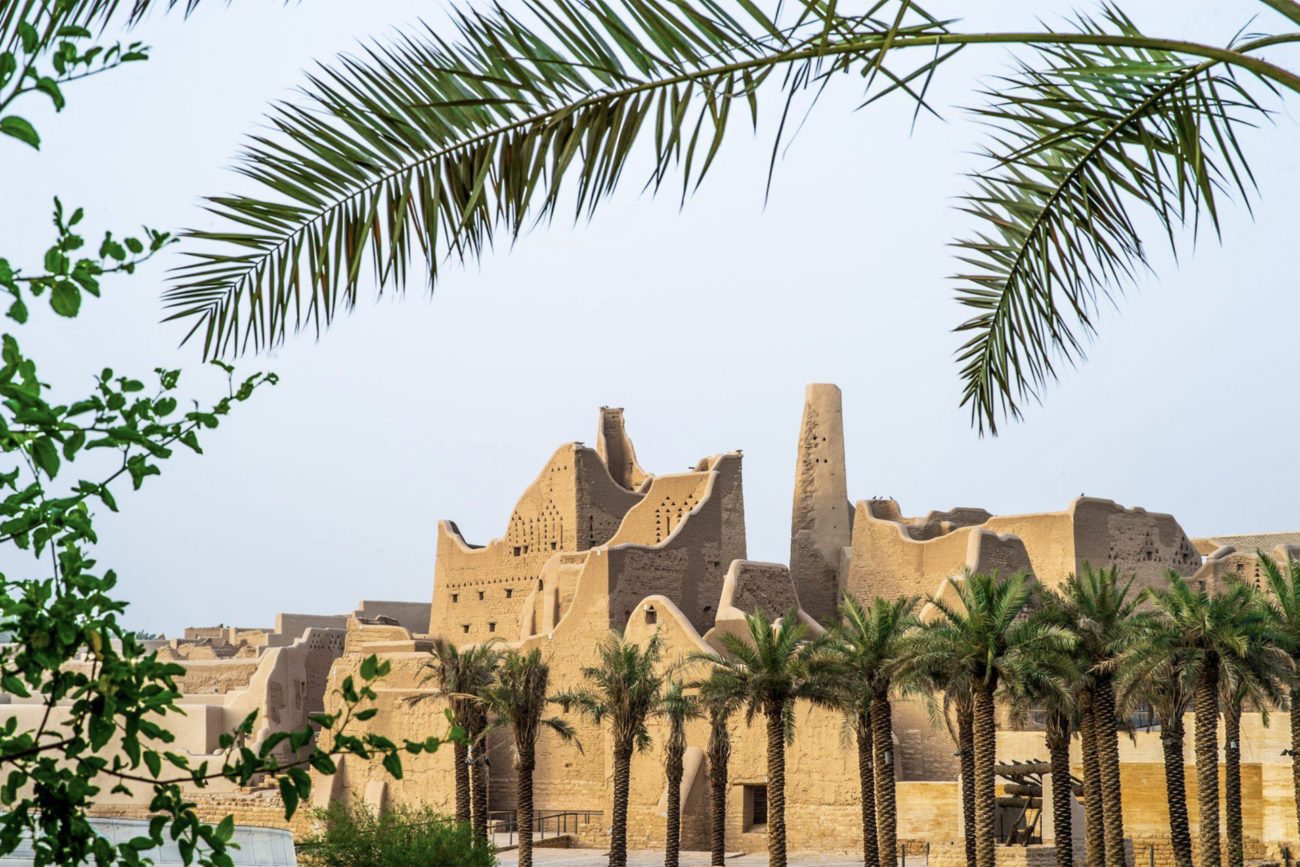
Within Diriyah lies At-Turaif, a UNESCO World Heritage Site and a beautifully preserved mud-brick citadel, featuring Najdi architectural style, which is a traditional, climate-responsive building style from the Najd region of Saudi Arabia (13th–18th centuries).


At-Turaif in Diriyah, a UNESCO site


Diriyah: preserving heritage while shaping the future

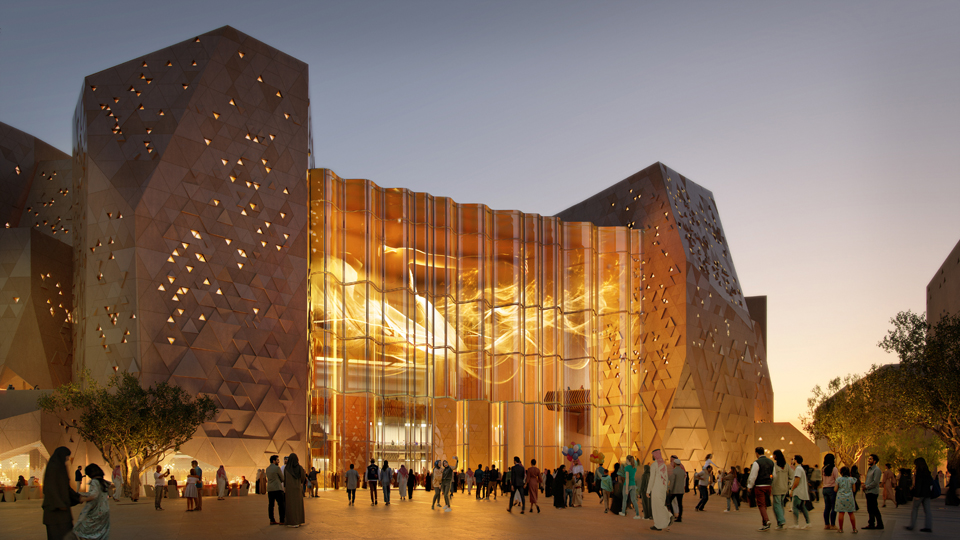
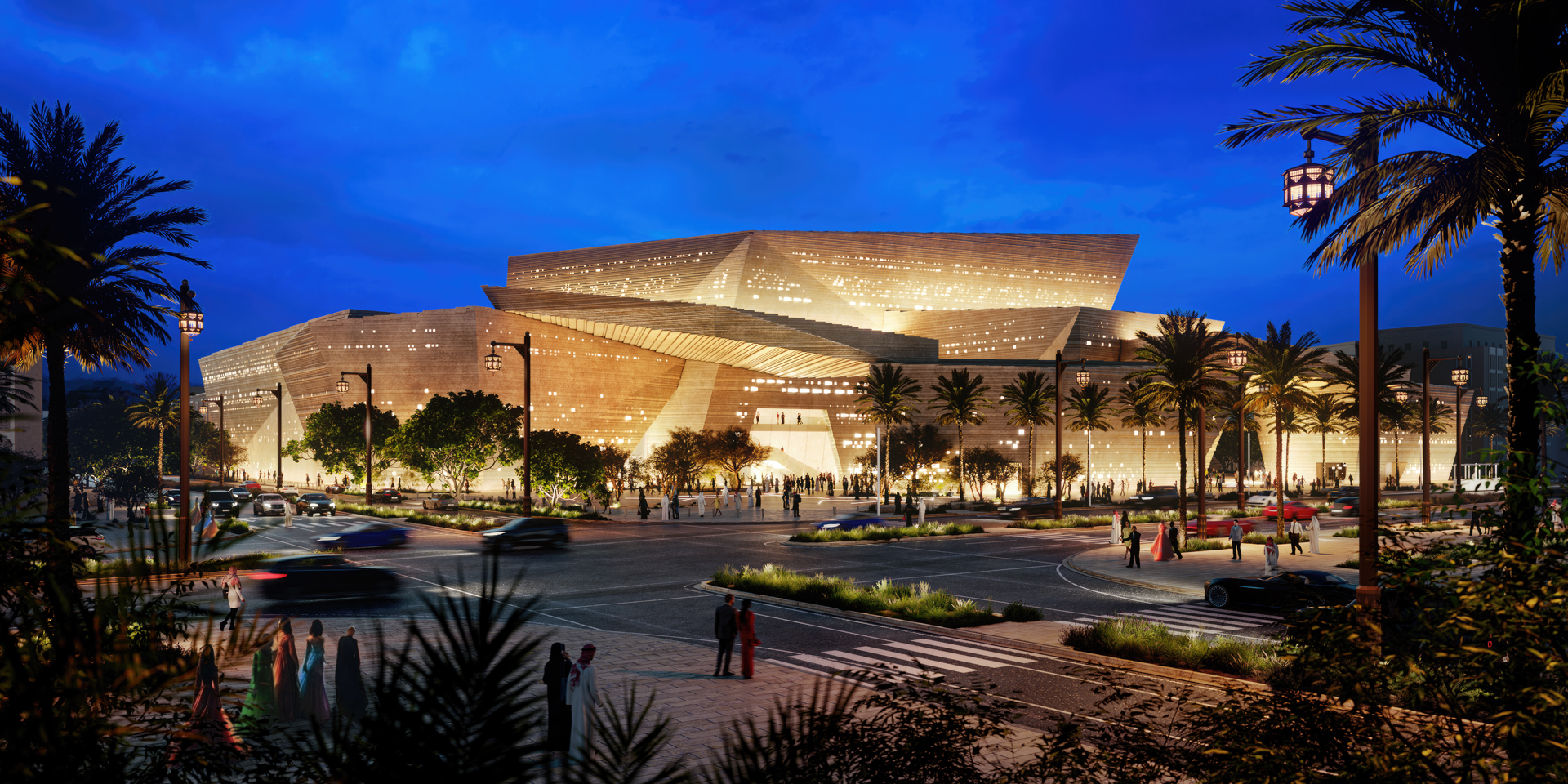
Unlike many mega-developments in Saudi Arabia, Diriyah is not being built from scratch. It is already home to a community of 100,000 residents, with projections to welcome 100,000 more in the years to come. Diriyah’s masterplan includes residential developments, over 40 hotels, retail spaces, offices, 16 schools, one university, sporting venues, public spaces, a 20,000-seat arena, and Saudi Arabia’s first purpose-built opera house.


The Royal Diriyah Opera House officially open in 2028


The city within a city as it is often referred to currently welcomes 2 million visits a year and hopes to welcome 50 million long-term visits, a key component of Saudi Arabia’s Vision 2030 economic diversification plan.


When prompted about the recent and current regional tensions, Diriyah’s newest CMO, Abdulrahman Yahya Al-Jefri, reassured that visitation numbers have not slowed. Business in the Kingdom continues as usual. Cafes are buzzling. Folks are shopping and continuing to enjoy multiple forms of entertainment, including at Diriyah.


Diriyah: creating a destination people emotionally connect to

While the target tourism audience for Diriyah is 70% domestic, Al-Jefri shared that there is a clear ambition to build global relevance.


Through a focused international go-to-market strategy, Diriyah aims to unlock new corridors to Diriyah from Europe, the U.S., and Latin America.


Al-Jefri was proud to share that Diriyah has a Net Promoter Score of 95, an almost unheard-of number in global tourism.


Regardless of where travelers are coming from, Al-Jefri emphasizes the importance of creating a strong emotional connection to the city’s history, one that builds loyalty and encourages repeat visits.


So, how do you create that sense of belonging and connection?


Through culture.


“We are relying a lot on repeated visitation. We’re creating loyalty and repeated visitation, where people feel a connection to the place. That this is their extended living room.”
Abdulrahman Yahya Al-Jefri


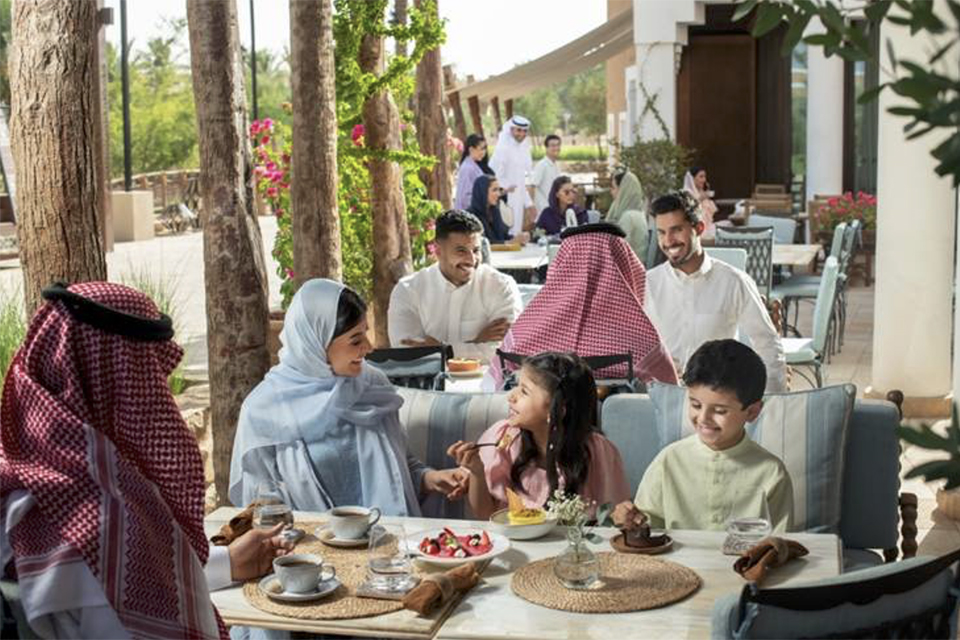
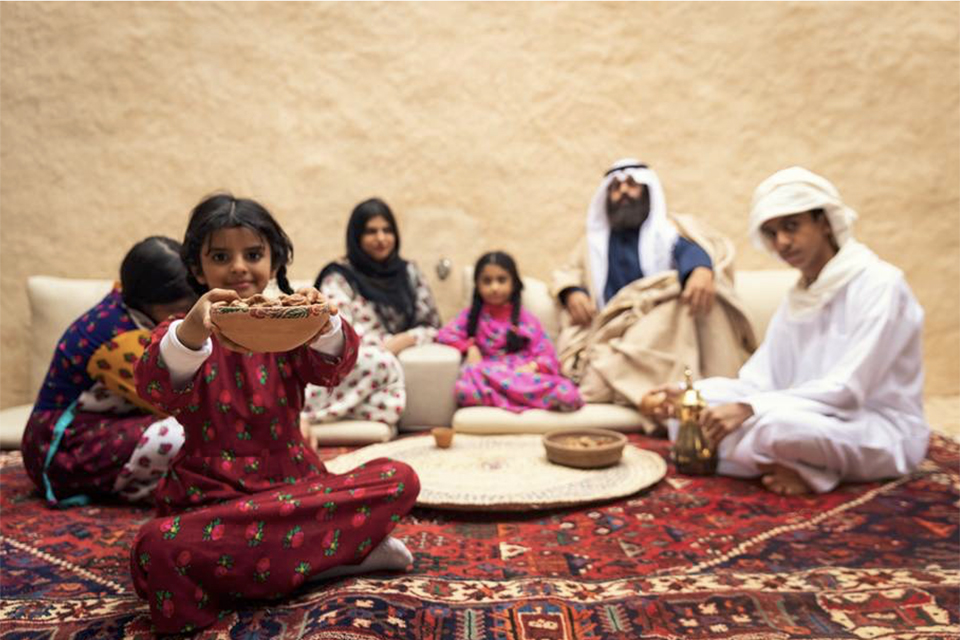
Nuzul at At-Turaif; “Nuzul” is an Arabic word that means hospitality, lodging, or welcoming guests


Diriyah: where culture becomes an immersive luxury experience

Al-Jefri’s role as CMO centers on translating Saudi heritage into immersive, contemporary experiences, designed as products and programming that are participatory, inviting, and deeply human.


This includes activating all five senses, flavors, and a myriad of engagement formats, like storytelling, food, craft, seasonal programming, traditional dances where families, children and visitors all join in!


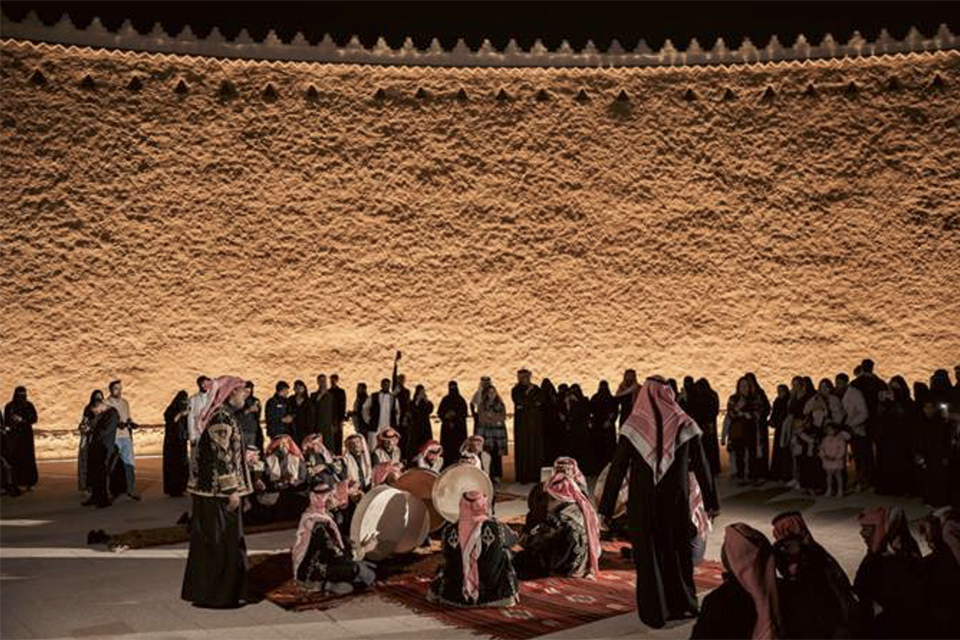
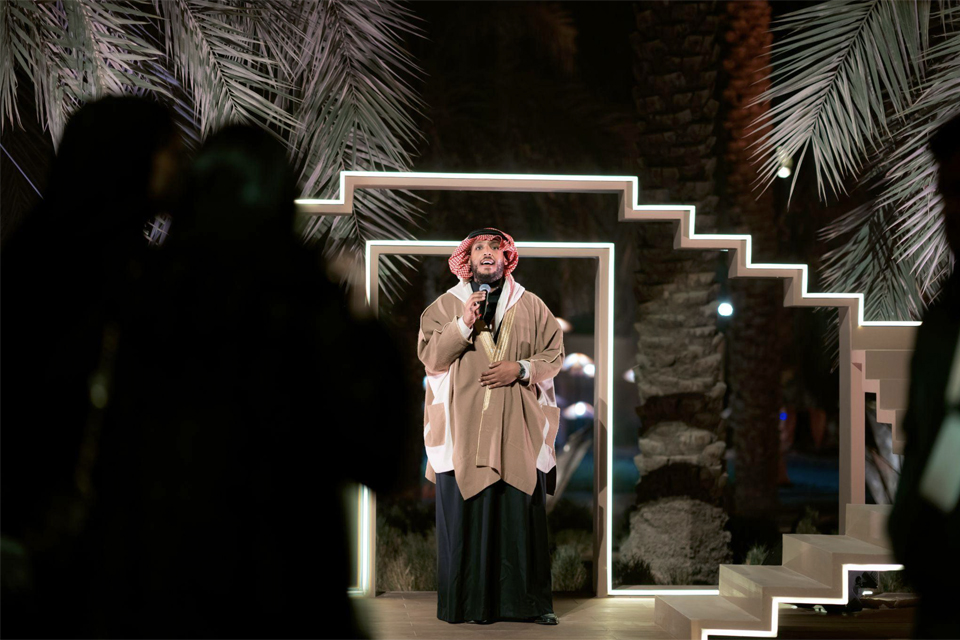
Samri Dance, traditional folk dance and musical performance originating from the Najd region, the same cultural region where Diriyah is located


Seasonal programming is anchored around key national and cultural moments, including Founding Day (February 22), Flag Day (March 11), Saudi National Day (September 23), Ramadan, and Eid, each bringing its own set of curated experiences.


Diriyah Season in the wintertime offers a storytelling festival, poetry recitals, animation masterclasses, and culinary activations inspired by regional heritage.


One standout example? A food festival that creates dishes inspired by novels, offering an exquisite interplay between cultural narrative and gastronomy.


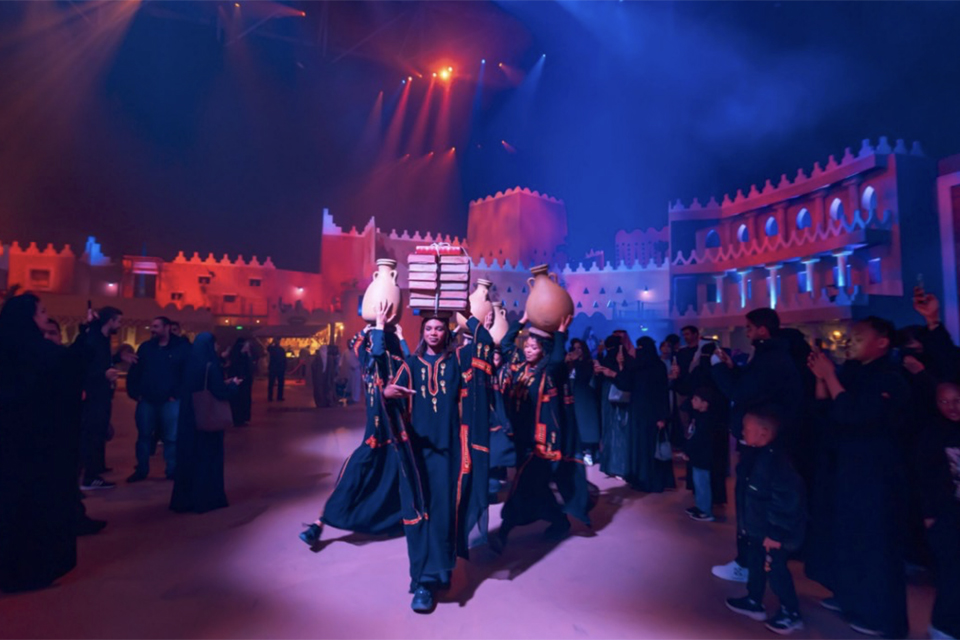
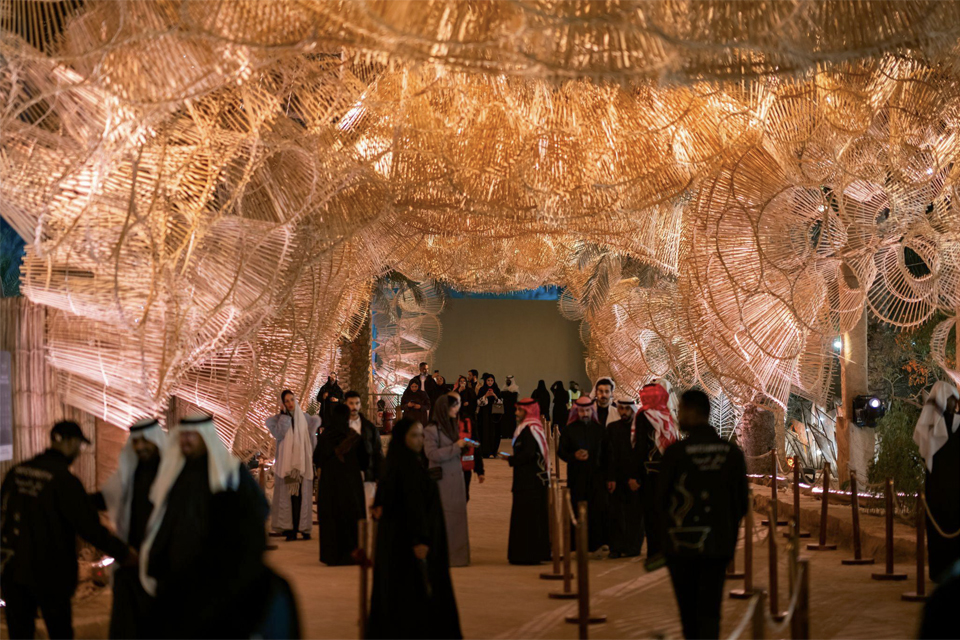
Annual Diriyah Season Festival, offering immersive, live entertainment and culinary experiences


Diriyah: from storytelling festivals to starlit desert experiences

Other experiences take place around the mountain base camps, where visitors or residents can partake in horse riding, archery, stargazing, and traditional crafts like embroidery and calligraphy. Immersive activities also include an “escape room” where visitors learn about the history of Diriyah while solving riddles and mysteries.


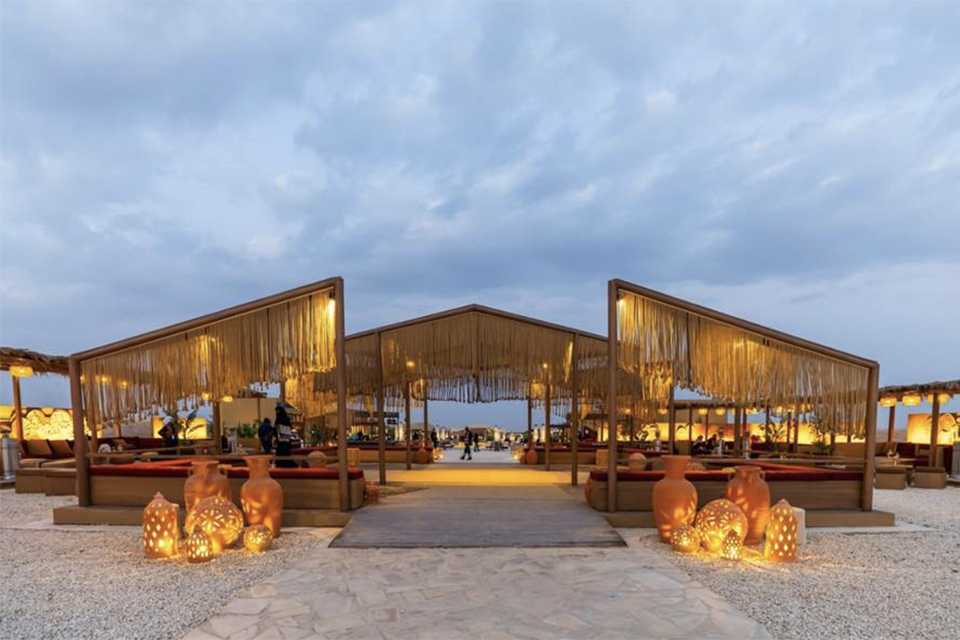
Minzal CAMP


Diriyah: a community-centered vision of luxury hospitality

Community is also an imperative component to Diriyah’s alluring formula.


“Part of our tradition, our Islamic values, is that you really need to take care of your neighbor. If we want to bring prosperity for a region, we first start with the people of the community.”
Abdulrahman Yahya Al-Jefri


That philosophy shows up in everything, from programming that engages residents and local artisans to showcase and sell their beautiful crafts to the way public spaces are designed to feel lived in.


Layali Diriyah (“Diriyah Nights”)


Diriyah: global luxury brands meet Saudi Arabia authenticity

Elevating any city for local, regional, or global attraction requires the right partnerships. Diriyah brings together some of the world’s most respected hospitality brands, including the Four Seasons, Capella, The Edition, and Address Hotels, alongside a mix of global and local retailers, like Adidas, Alo Yoga, On Running, and the region’s largest Dolce & Gabbana boutique and café, which is now open In Bujairi Terrace.


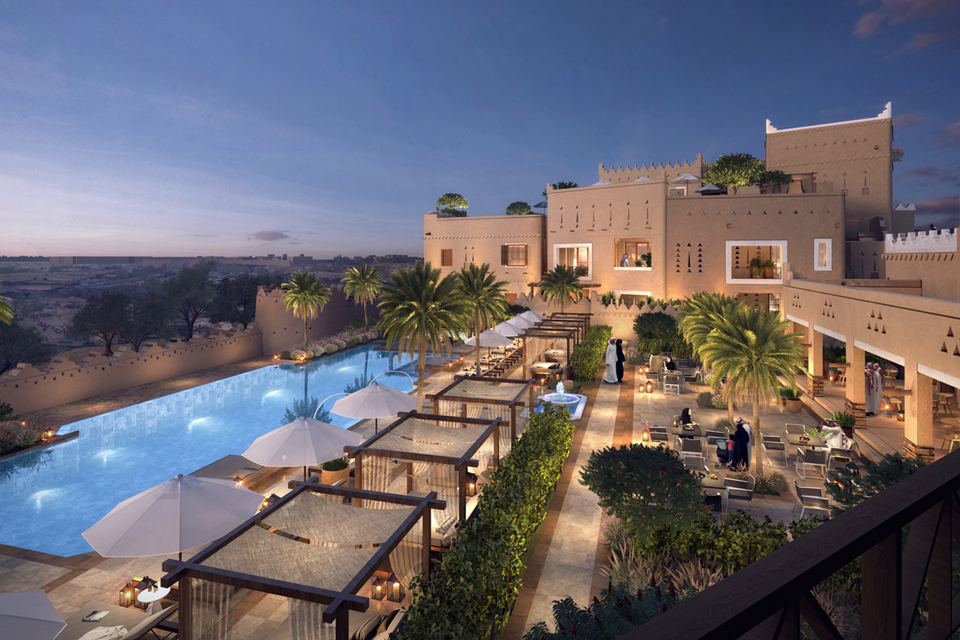
Four Seasons Hotel Opening in 2027


Travel and tourism partnerships involve designing curated Heritage tours and participating in several B2C expos in London and Las Vegas to promote Diriyah’s heritage, cultural, and entertainment offerings globally.


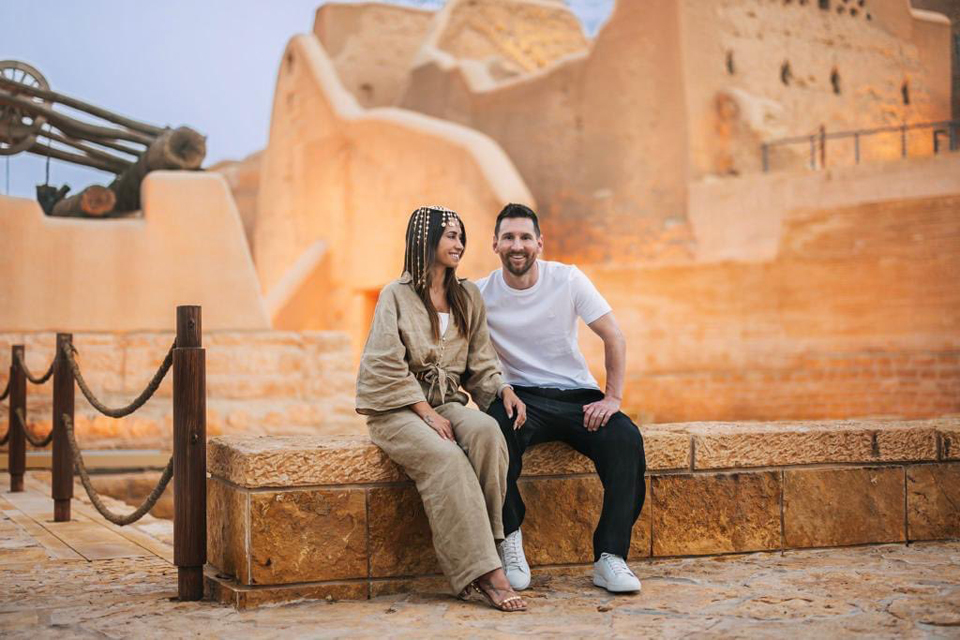
And guess what, Miami readers? Lionel Messi has been featured in tourism campaigns highlighting Diriyah, as part of his role as Saudi Arabia’s tourism ambassador, supporting a broader effort to connect the Kingdom with new global audiences.


Leo Messi and wife, Antonela Roccuzzo


Diriyah: a destination designed to be rediscovered

The conversation with Mr. Abdulrahman Yahya Al-Jefri uncovered new layers to Diriyah. The deeper its cultural allure unfolds, the stronger the pull becomes, leaving a lasting impression beyond the first visit.


Diriyah stands out as a special place where heritage is lived and experienced, rather than confined and preserved behind glass in a national museum.


Whether people visit for the annual book festival, the activities during the national holidays, or the culinary experiences, if Mr. Al-Jefri has anything to say about it, Diriyah is intentionally designed as a place that is not meant to be visited once, but a place people return to.

From left to right: Evgeny Kuzin, Mayor of Miami Beach, Stephen Meiner, Chef Izu Ani, and Mr. Juma Al Mansoori


By Jeannette Paulino, Middle East Section Editor


EXCLUSIVE LUXURY MAGAZINE had the delectable pleasure of savoring dinner and wine at South Beach’s new hottest spot, Dubai’s home-grown Greek-Mediterranean concept, GAIA. Born of the meeting of two minds with the same vision, GAIA is an innovative concept that blends Greek culture, tradition, and imagination. Developed by industry experts Evgeny Kuzin and Chef Izu Ani with the aim of creating an entirely new dining experience, with a collaborative approach, they shared their knowledge and expertise to create a new standard for Greek cuisine.


Since its debut, the brand has evolved into one of Dubai’s most internationally recognized culinary exports. The brand has cultivated a loyal following around the world and, over the past few years, has expanded into Doha, London, Monaco, and Marbella, with summer residences in Saint-Tropez and Bodrum. Now, it is making its first U.S. debut.


“Entering the U.S. market is a strategic milestone for us, and Miami is the right city to lead that chapter. It is global, design-driven, culturally rich, and unapologetically bold, values that sit at the core of GAIA, says Evgeny Kuzin, Chairman of Fundamental Hospitality. This opening represents our confidence in the brand, our belief in the market, and our commitment to building destinations that stand.”


GAIA Miami on the South of Fifth feels intentionally tailored to the city: elevated yet approachable, glamorous yet relaxed enough to become a neighborhood favorite for the global crowd that flows through South Beach.


GAIA Miami brought Izu Ani, a Nigerian British chef known for his talent in Europe’s most elite restaurants. Now Chef Ani is happy to call GAIA Miami home and to focus on food that is simpler, lighter, and nourishing.


“At GAIA, everything begins with a deep respect for the ingredients. True luxury, to me, is simplicity, allowing each element to speak for itself. Every city brings its own energy, and in Miami, there’s a natural sense of vibrancy, lightness, and connection. The menu is designed to reflect that; dishes that are fresh, expressive, and meant to be shared. While the foundation is Greek, the influence is global, shaped by my journey and a belief that great food should feel both effortless and intentional,” said Chef Izu Ani.


“At GAIA, everything begins with a deep respect for the ingredients. True luxury, to me, is simplicity, allowing each element to speak for itself. Every city brings its own energy, and in Miami, there’s a natural sense of vibrancy, lightness, and connection.” Chef Izu Ani


Evgeny Kuzin and Chef Izu Ani


Ahead of its official opening, the restaurant welcomed an impressive guest list spanning Miami’s power players, celebrities, athletes, and tastemakers. Familiar faces included Miami’s locals, David and Isabel Grutman and Jorge Perez as well as Bethenny Frankel, Steve Stoute, Pat Riley, Kevin Love, and Caroline Wozniacki, among many others from Miami’s hospitality, sports, and real estate circles.


Isabel and David Grutman and Evgeny Kuzin


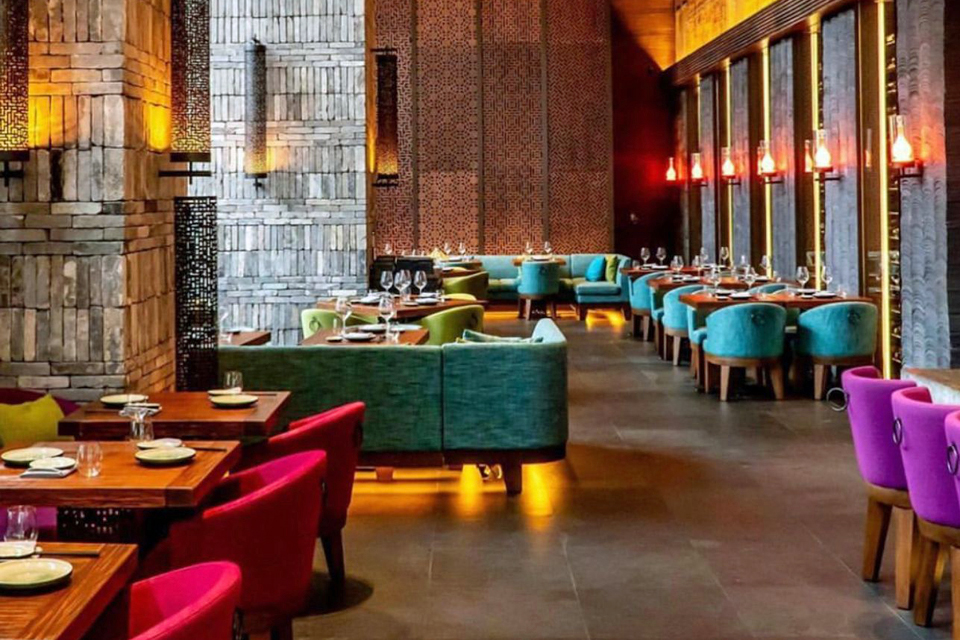
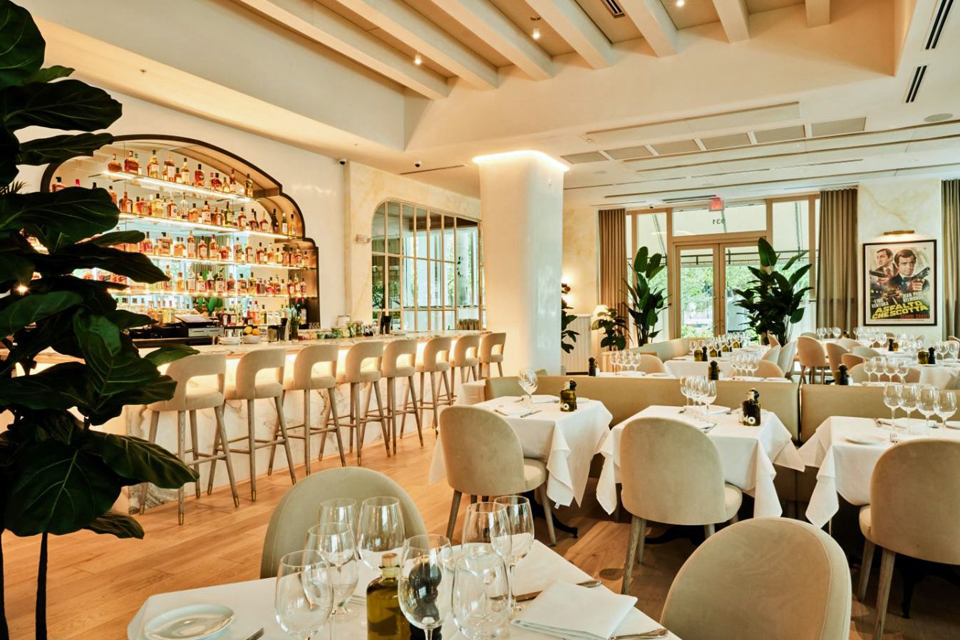
Guests can begin the evening at the expansive blue lava stone bar or choose to dine in plush lounge seating with soaring backlit shelves, displaying a mix of Mediterranean-inspired ceramics and art books, bringing a warm elegance to the space.


GAIA Miami Main Bar © Gaia


The moment guests walk into the main dining room, they are transported into a world that subtly merges Cycladic elegance with Miami sensuality. Caviar-inspired chandeliers twinkle above a warm palette of sand tones, teal accents, and Mediterranean textures. The space, designed by Richard Saunders of First Within, feels simultaneously airy and intimate, polished without trying too hard.


The main dining room at GAIA Miami © Gaia


The restaurant displays an eclectic display of pristine fish and seafood, known as the “Ice Market,” where guests can personally select their fish and preferred preparation style. This personalized experience has become the brand’s defining global signatures.


Fish display at GAIA Miami’s Ice Market


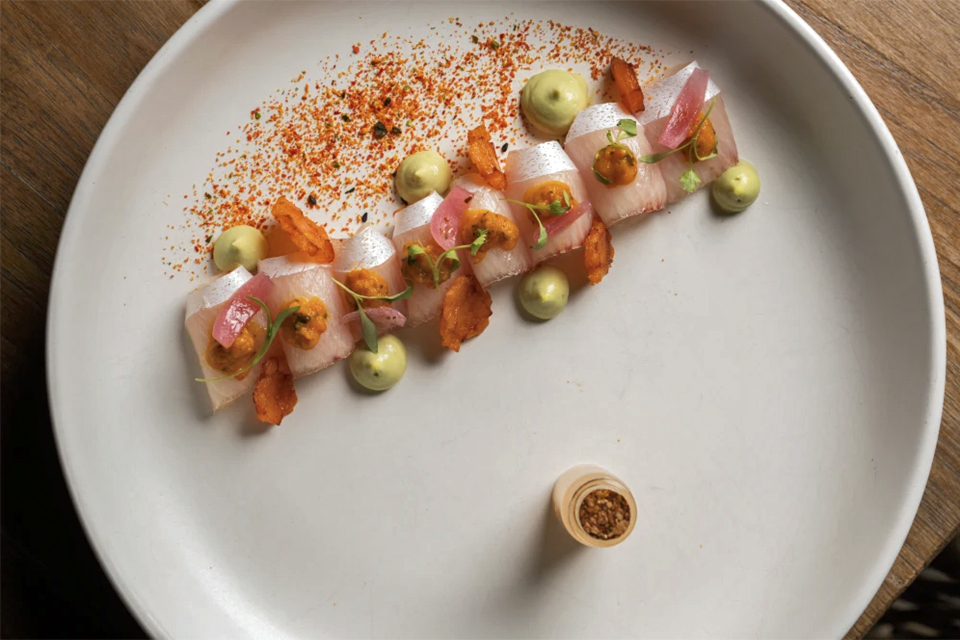
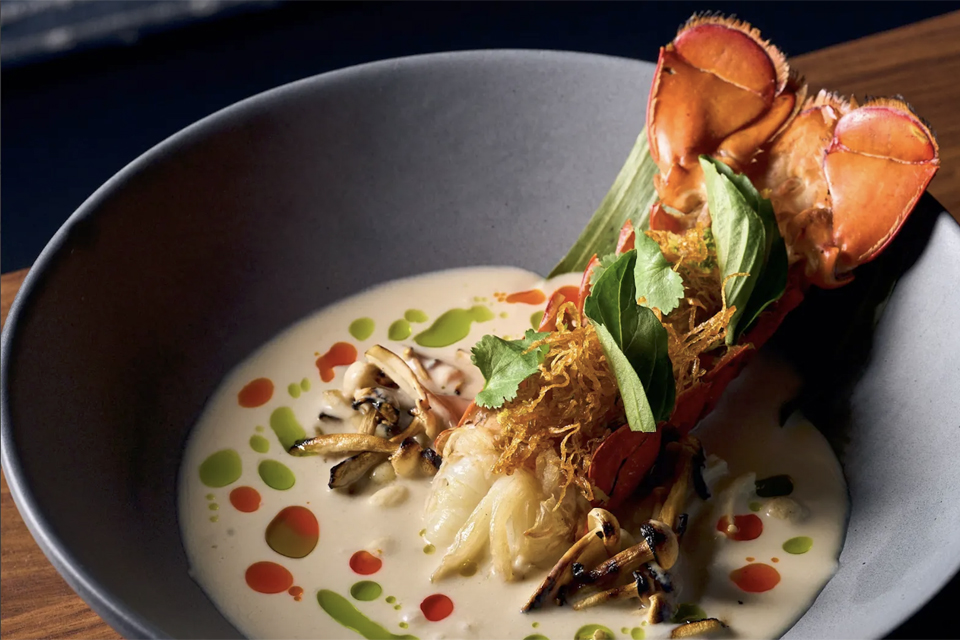
Among the standout dishes were the delicate sea bream carpaccio with citrus and truffle dressing, smoked tuna layered with richness and depth, the beloved barrel-aged baked feta wrapped in honey, nuts, and filo pastry, and the slow-cooked baby goat that effortlessly melted off the bone. The truffle pasta arrived creamy without becoming heavy, embodying the restaurant’s balance between indulgence richness and restraint.


Sea Bream Carpaccio © Gaia

Baked feta © Gaia


The wine menu spans from a wide selection ranging from crisp Assyrtiko wines from Greece to celebrated French and Italian labels, thoughtfully selected to complement GAIA’s seafood-driven cuisine and refined coastal aesthetic.


Dessert continued the experience beautifully, from honey-drizzled Greek yogurt to warm glazed loukoumades, Greece’s iconic doughnut-style pastries that arrive both comforting and delicate.


Greek yogurt and honey-glazed loukoumade © Gaia


Beyond GAIA’s corridor, NYX Miami unfolds as a reservation-only experience within a limited seating environment, offering an intimate approach to private dining with late seating available throughout the evening.


Globally, GAIA and NYX have attracted celebrities like Tom Cruise, Naomi Campbell, LeBron James, Idris Elba, and Lewis Hamilton.


GAIA Miami NYX © Gaia


This is not the only Dubai brand that has made its way to Miami. Dubai developer, DAMAC Properties is building a luxury residential tower in Surfside. Dubai-based wellness hotel concepts like SIRO Hotel is gracing Brickell in 2030.


More UAE brands will make their way to Miami, from hospitality and wellness to real estate and tech. Miami is Dubai’s most natural launchpad for many of its cherished brands.


And, EXCLUSIVE LUXURY MAGAZINE will continue capturing those stories as they evolve.


gaia-restaurants.com

Francisco Gonzalez is Executive Director of the Economic Club of Miami. He is the author of three books on entrepreneurship and the American Dream, host of the Agents of Innovation podcast, and founder of Fearless Journeys. He has taught economics courses in several South Florida prisons and served as a visiting professor at the Universidad Francisco Marroquin in Guatemala.


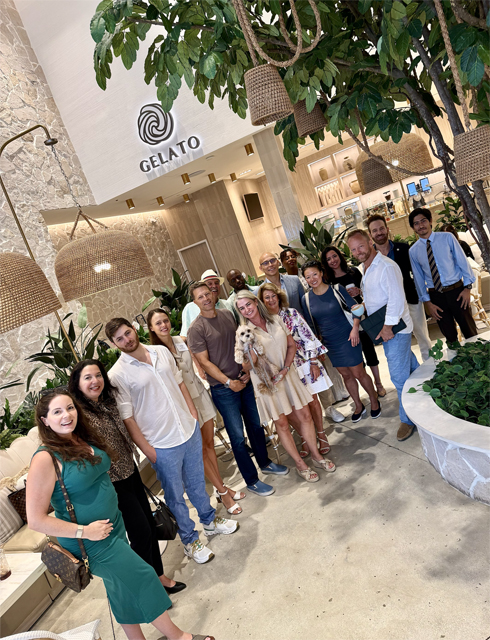
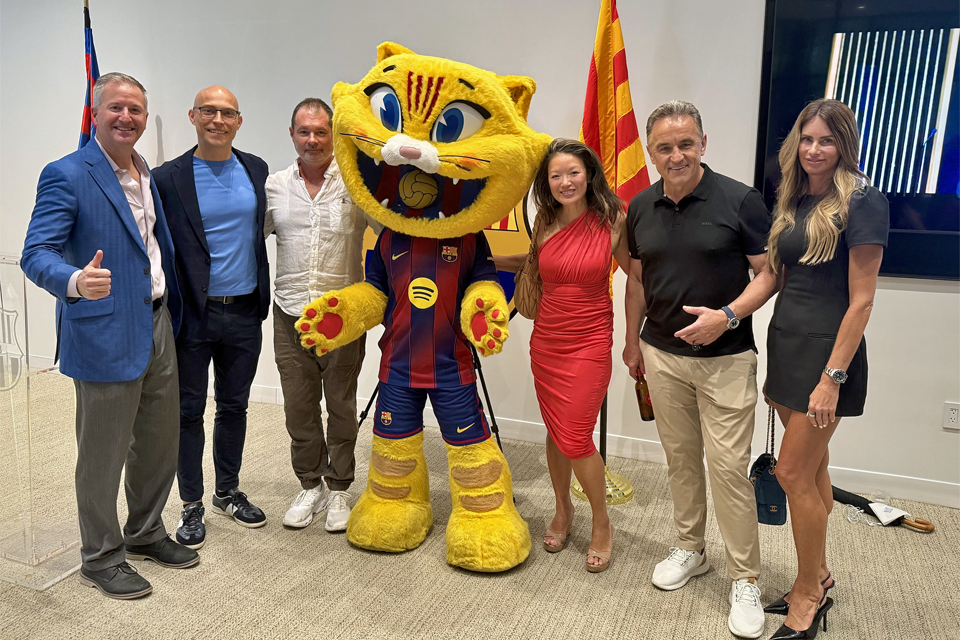
In a city defined by reinvention, Miami’s rapid ascent as a global center for finance, technology, and investment has been nothing short of remarkable. As talent and capital continue to flow into South Florida from across the United States and around the world, a new question has emerged—how to bring together the individuals shaping this transformation. Inspired by long-standing economic institutions in cities such as New York, Washington, D.C., and Chicago, the Economic Club of Miami was born from that need. While Miami has long been Florida’s most globally connected city and a natural gateway to the Americas, 2020 marked a turning point, accelerating its evolution into a serious destination for capital, investment, and long-term growth.


As the city’s influence expanded, so did the need for a central platform capable of convening leaders across industries—not simply for conversation, but for alignment, connection, and the exchange of ideas shaping Miami’s economic future. That vision came together through the leadership of Founding Chairman Jon Hartley and founding board members Jeb Bush, Jr., Jeremy Schwarz, and Lourdes Castillo, who set out to create a platform reflecting both the ambition and the diversity of Miami itself. The Club gained early national attention in November 2022 with a landmark event featuring Citadel founder Ken Griffin and Miami Mayor Francis Suarez, marking a defining moment in its early trajectory. Shortly thereafter, the organization entered a new phase of growth under the direction of its Executive Director, further strengthening its positioning within Miami’s evolving economic landscape.


At the time, the Club counted just 35 members. Today, it is approaching 400 active members. In just five years, the Economic Club of Miami has established itself as a central convening point within the city’s economic ecosystem—bringing together leaders across finance, technology, real estate, policy, and beyond, both locally and internationally. While a significant portion of its members come from finance, private equity, venture capital, and technology, the strength of the Club lies in its diversity. Its community also includes leaders in law, healthcare, hospitality, government, media, and communications—reflecting the multidimensional growth defining Miami today. What distinguishes the Economic Club of Miami is not only who is in the room, but what happens when they gather.


The Club has hosted a remarkable range of speakers, including some of the most influential figures in business and investment—Ken Griffin, Peter Thiel, Michael Saylor, and Joe Lonsdale—as well as four governors of the Federal Reserve Board and leading voices in public policy. Its reach extends well beyond the United States, with speakers and participants representing Latin America, Europe, the Middle East, Canada, and Mexico, further reinforcing Miami’s position as a global gateway for capital and ideas. At its core, the Economic Club of Miami is guided by a clear mission: to convene influential voices around the ideas shaping the city’s economic future, with the broader ambition of contributing to Miami’s emergence as a global financial capital where opportunity, access, and long-term growth converge.


For members, the experience extends beyond formal programming into a broader ecosystem of access and relationships. In addition to curated events throughout the year, the Club brings its members together through a series of high-level gatherings across South Florida, placing them at the center of the region’s most dynamic conversations. For those seeking a more elevated level of engagement, Elite Membership offers access to private, curated dinners—intimate settings where conversations deepen, relationships strengthen, and strategic ideas are exchanged with greater proximity.


MIAMI, FLORIDA – MARCH 26: Federal Reserve governor Stephen Miran (C) greets guests during a meeting of the Economic Club of Miami on March 26, 2026 in Miami, Florida. Miran addressed the club about U.S. economic policies. (Photo by Joe Raedle/Getty Images)


Miami’s rise over the past decades reflects a broader shift in global patterns of talent and capital. It is a city built not only by those born into it, but by those who choose it—individuals arriving from across the world and, increasingly, from across the United States, drawn by opportunity, ambition, and the ability to build. The Economic Club of Miami reflects that spirit, bringing together those who are not only part of this evolution, but actively shaping what comes next. As Miami continues to establish itself on the global stage, the importance of convening the right people, at the right time, around the right ideas has never been more critical. And in many ways, this is only the beginning.


As part of this partnership, and sharing a common vision, Exclusive Luxury Magazine and the Economic Club of Miami aim to highlight the individuals, ideas, and conversations shaping Miami’s emergence as a global capital hub.


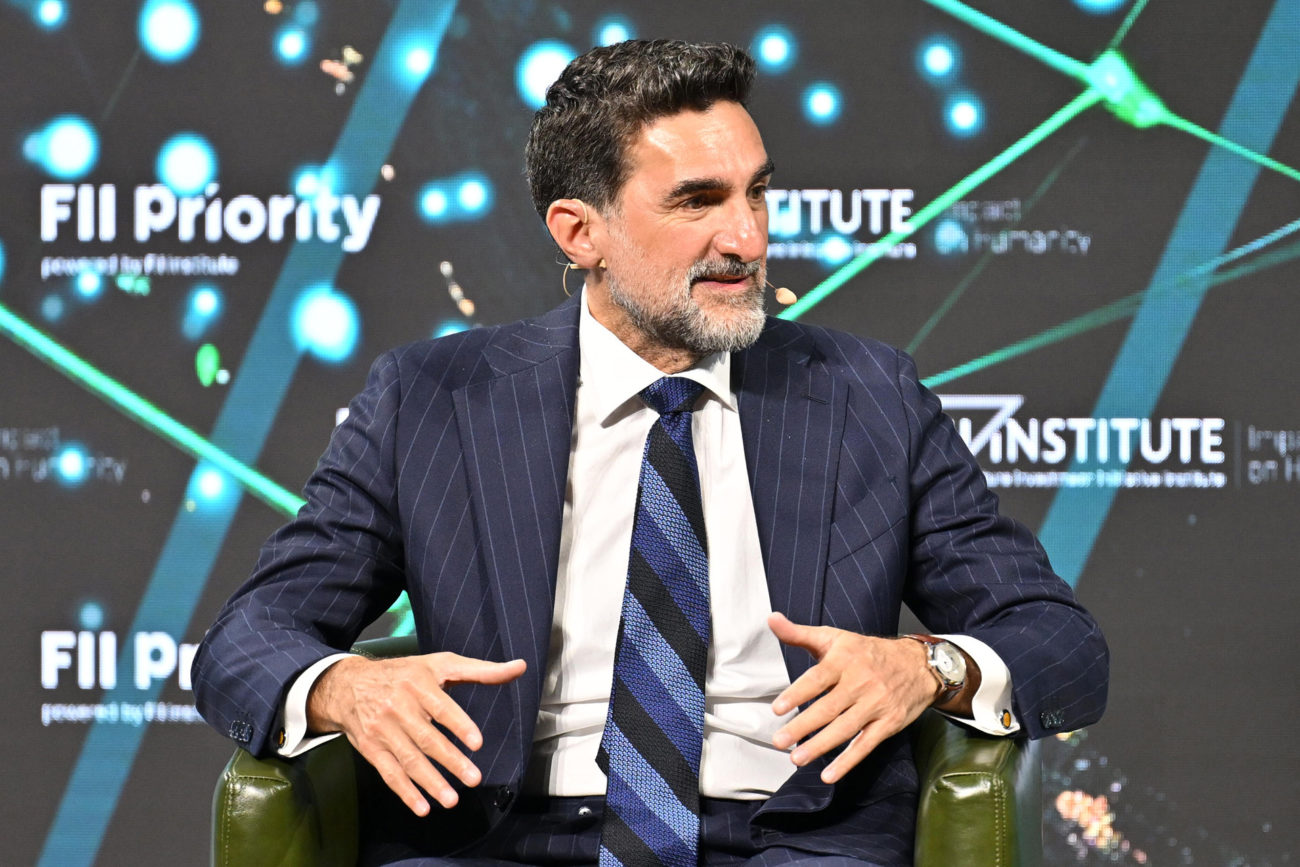
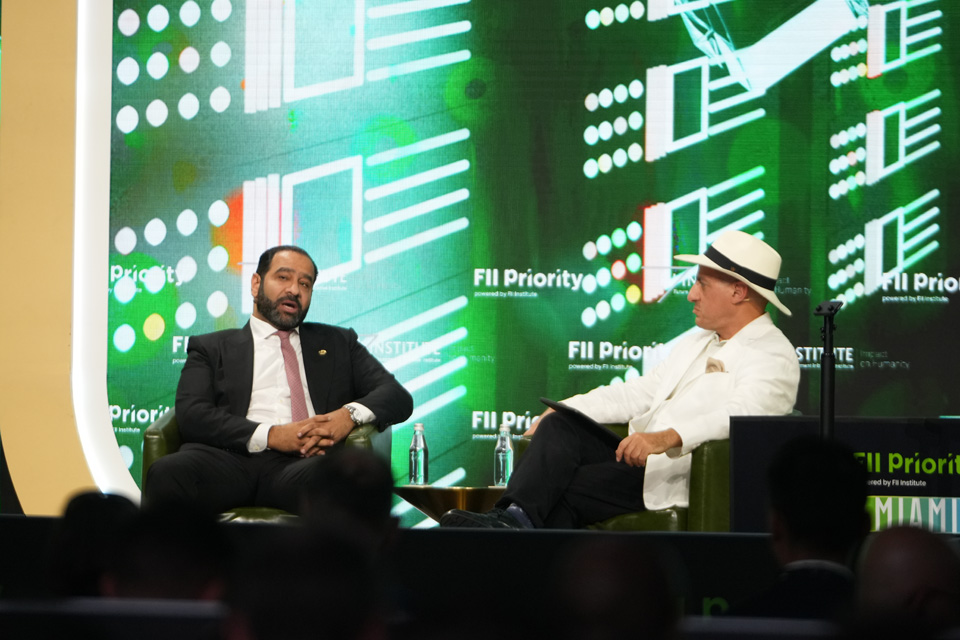
Yasir bin Othman Al-Rumayyan, Governor of Public Investment Fund (PIF) and Chairman of Saudi Aramco at FII Priority Miami 2026


By Jeannette Paulino, Middle East Section Editor


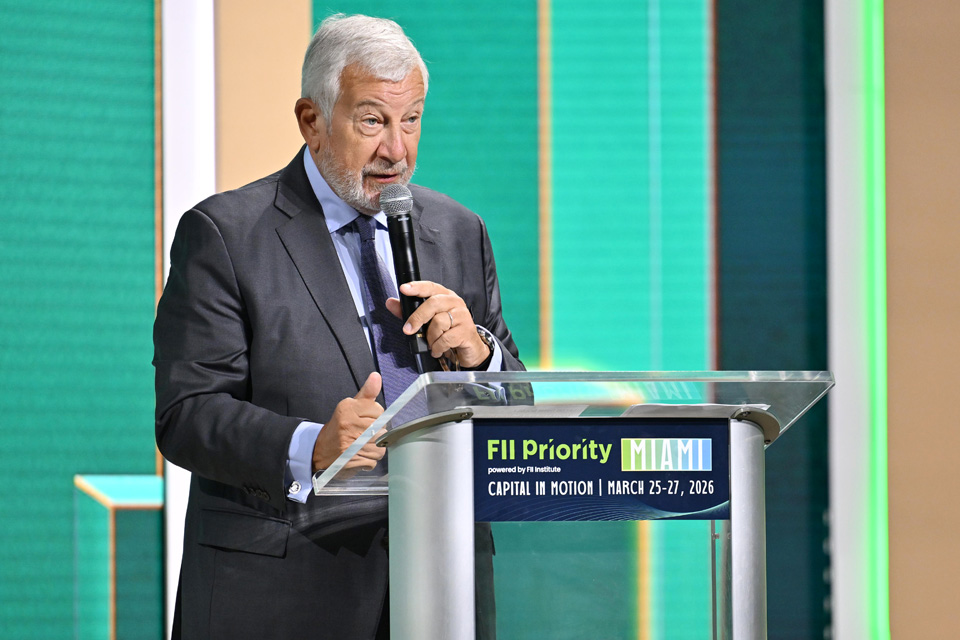
The energy at the Faena Forum and Faena Hotel last week was palpable. Over 2,000 leaders from 67 countries gathered in Miami for a three-day FII program under the theme “Capital in Motion,” spanning panels, fireside chats, private closed-door discussions, and a series of side events that extended across Miami Beach, Design District, and Brickell.


The conversations focused on where global capital is moving next and what hubs, cities, and sectors stand to benefit the most.


The conference did not shy away from the current geopolitical situation in the Middle East, the speakers leaned in noting their confidence in resiliency measures and rapid response taken by the GCC countries, and how this will make the region stronger than ever before. Investors, developers, and business leaders emphasized that this is a case of reset, agility, disciplined execution, and long-term positioning like any business would experience during an economic downturn.


Mohamed Alabbar, Founder, Emaar Properties; Founder, Noon.com from UAE shared “The GCC is a lot more resilient when working together.” Across Saudi Arabia, the UAE, Kuwait, Bahrain, and Qatar, the region remains well positioned for long-term investment, even as higher returns are often accompanied by greater risk. FII highlighted “Disruption is a permanent feature of the global economy.”


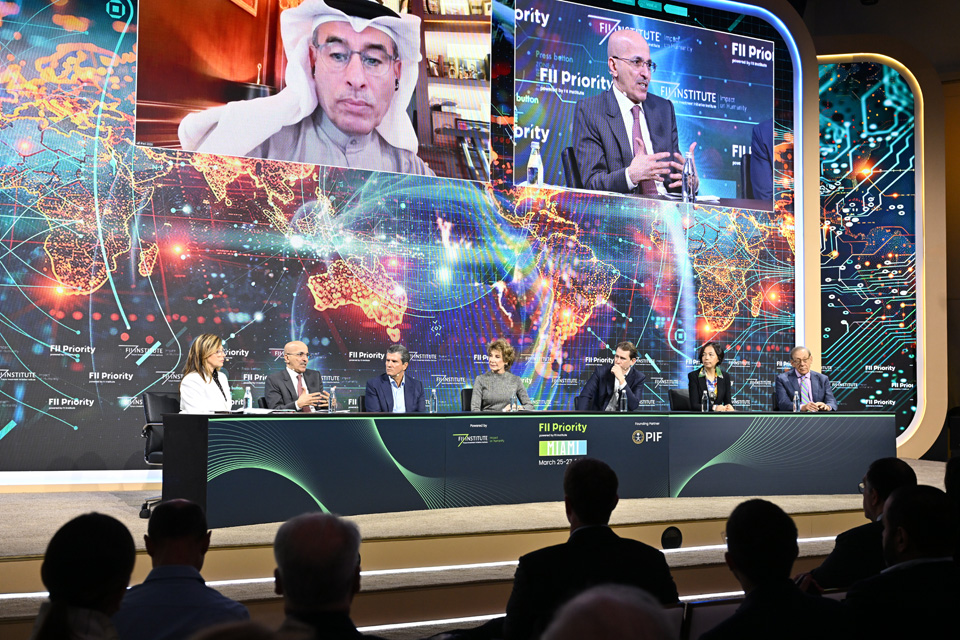
FII Priority Miami 2026 Panel: Board of Changemakers: A New Geography for Investment.
Speakers: H.E. Mohammed bin Abdullah Al-Jadaan, Minister of Finance, Kingdom of Saudi Arabia; H.E. Sebastian Kurz, Former Chancellor of Austria; Co-Founder & President, DREAM, Austria; Mohamed Alabbar, Founder, Emaar Properties; Founder, Noon.com, United Arab Emirates; Betsy Atkins, Google Cloud Advisory Board & Board Member, GoPuff & Wynn Las Vegas, United States; William E. Ford, Chairman & CEO, General Atlantic, United States, Dr. Fei-Fei Li, Professor, Stanford University; Co-Founder & CEO, World Labs, United States, Stephen M. Ross, Founder & Non-Executive Chairman, Related Companies; Chairman & Managing General Partner, Miami Dolphins, United States


FII brought business and government leaders who know the Latin America landscape well, dedicating the first day (Day 0) fully to investment opportunities in Latin America.


Across sessions, the region was consistently framed as a long term growth opportunity. Currently, as it stands, Latin America needs $40 trillion by 2030 to meet all its economic and infrastructure needs.


Abdulrahman Bakir from Saudi Arabia’s Ministry of Investment North Americas Office highlighted that the Kingdom is taking a proactive investment approach to allocate capital towards these developmental needs, while also supporting the Kingdom’s economic diversification and investment agenda aligned with their priority sectors. In South America, the Saudi Ministry of Investment is investing in agriculture and food security in Brazil, ICT in Costa Rica, Connectivity, ports, and logistics in Panama, lithium and rare earth metals in Argentina and Chile. Concrete examples Bakir highlighted include: Saudi-based Manara acquisition of a significant stake in a value-based metals company, Saudi Aramco’s investment downstream in Chile, $75 million financing hospital project in St Lucia, and a $50 million bridge in Costa Rica.


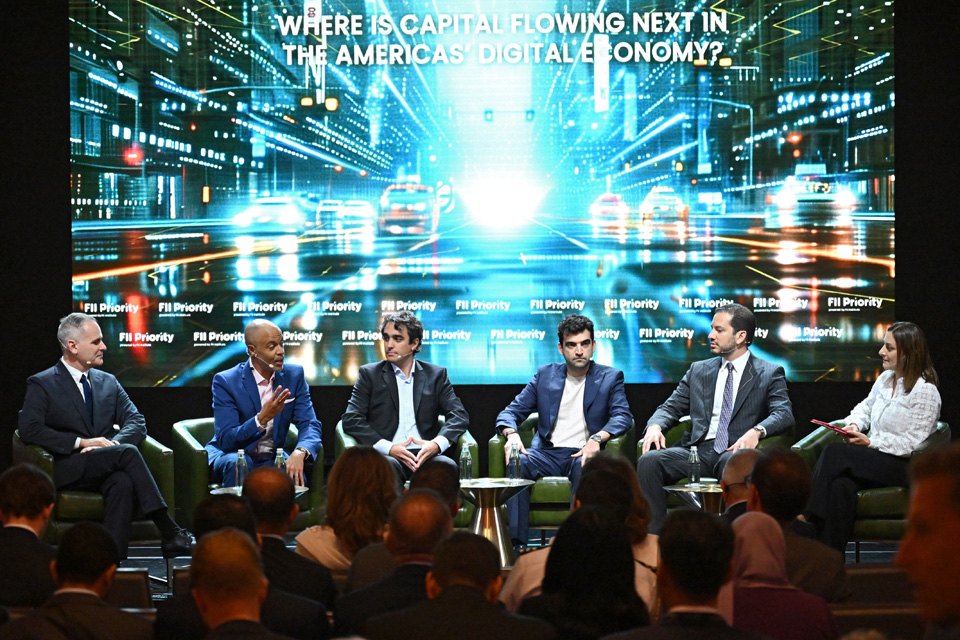
FII Priority Miami 2026 Where Is Investment Flowing Next in the Americas’ Digital Economy?
Speakers:Eng. Abdulrahman T. Bakir, Managing Director-Americas, Ministry of Investment of Saudi Arabia (MISA); Gerry Giacomán Colyer, Co-founder & CEO, Clara, Brazil; Shu Nyatta, Founder & Managing Partner, Bicycle Capital, United States; Emiliano Mroue, Founder & CEO, Fibrazo, Colombia; Chris Pilkerton, Assistant Secretary for Investment Security, U.S. Department of the Treasury, U.S.


On the sidelines of the summit, Saudi Eksab signed a Memorandum of Understanding with Inter-American Development Bank to advance investment opportunities across Latin America, with an initial emphasis on Central America and the Caribbean, targeting both direct investments and early-stage venture opportunities.


Saudi Eksab also finalized a separate framework agreement with BTG Pactual, one of the largest investment firms in Latin America, to deepen collaboration across private markets. This partnership is designed to create a dedicated Latin America-focused alternative investment platform, effectively streamlining how Gulf capital enters the region’s emerging tech and infrastructure sectors.


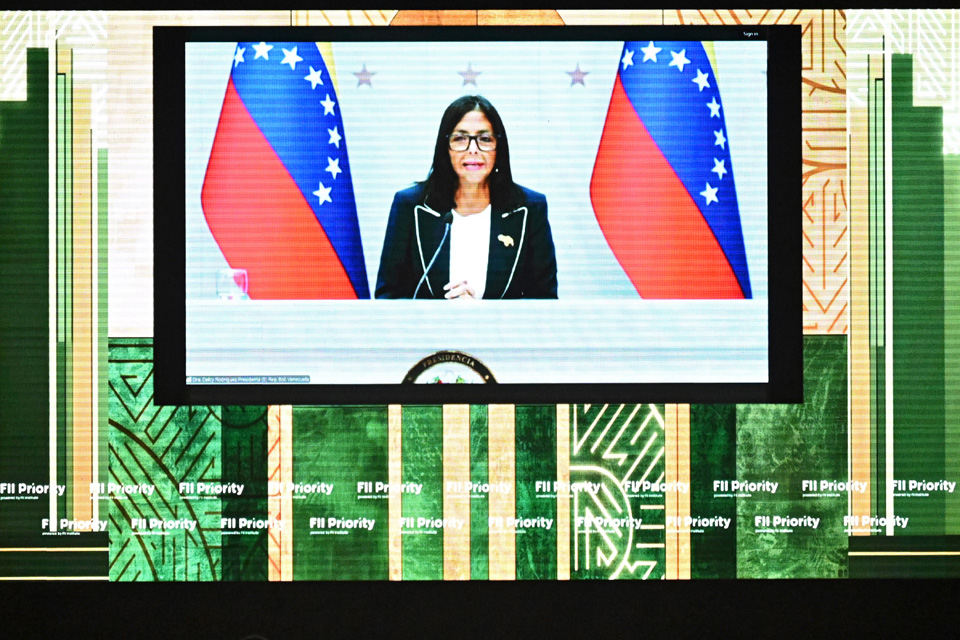
Delcy Rodríguez Gómez, Acting President of Venezuela, joined virtually and spoke to the country’s economic direction and investment landscape, highlighting growing engagement from more than 120 energy companies spanning the United States, the Middle East, Asia, Africa, and Europe.

There is a noticeable shift in how LATAM is being discussed. It is less so about volatility, and more about execution with speed and capital. Less about potential, more about long-term upside.


Delcy Rodríguez Gómez, Acting President of Venezuela at FII Priority Miami 2026


Beyond Latin America, the following two days brought voices to the main stage to discuss the future of digital assets and financial systems, the evolving nature of work and human capital through 2050, how AI and agentic AI will continue to impact every sector, and where to place hospitality and tourism bets.


A recurring theme was the repositioning of cities as integrated investment systems, where long-term value is driven not just by individual assets, but by how ecosystems are built and sustained.


Leaders like Dina Powell Mccormick, President and Vice-Chair of META, John Pagano, CEO of Red Sea Global, and Jerry Inzerillo, Group CEO of Diriyah Company, and Rayan Fayez, Deputy CEO of NEOM, are actively shaping investment strategy and large-scale development across the GCC, from AI initiatives to major sustainability projects.


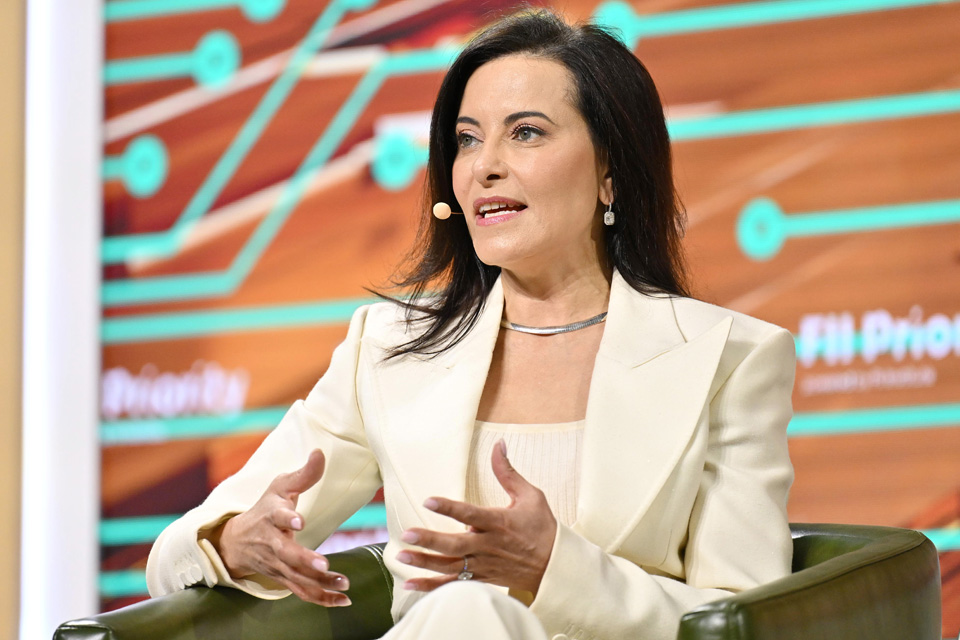
Dina Powell Mccormick, President and Vice-Chair of META at FII Priority Miami 2026 Panel: Is the Hyperscaler Partnership the Most Important Deal a Nation can Make?

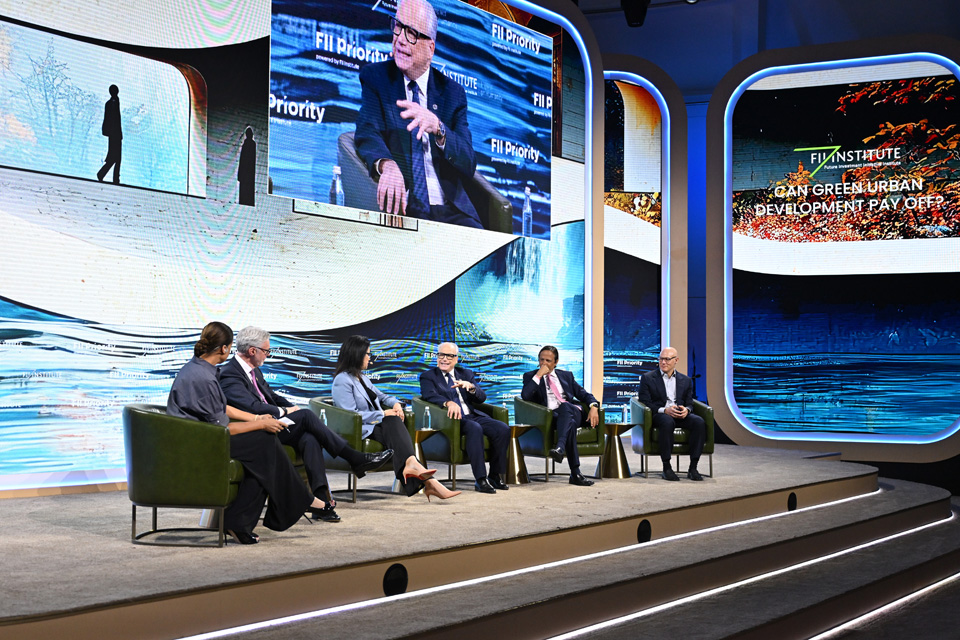
FII Priority Miami 2026 Panel: Can Urban Development Panel Pay Off Speakers: Michael Dyke, CEO, New Murabba, Kingdom of Saudi Arabia; Diane Hoskins, Global Co-Chair, Gensler, U.S.; Gerard Inzerillo, Group CEO, Diriyah Company, Kingdom of Saudi Arabia; John Pagano, Group CEO, Red Sea Global, Kingdom of Saudi Arabia; Craig Robins, CEO & Founder, Dacra, U.S.

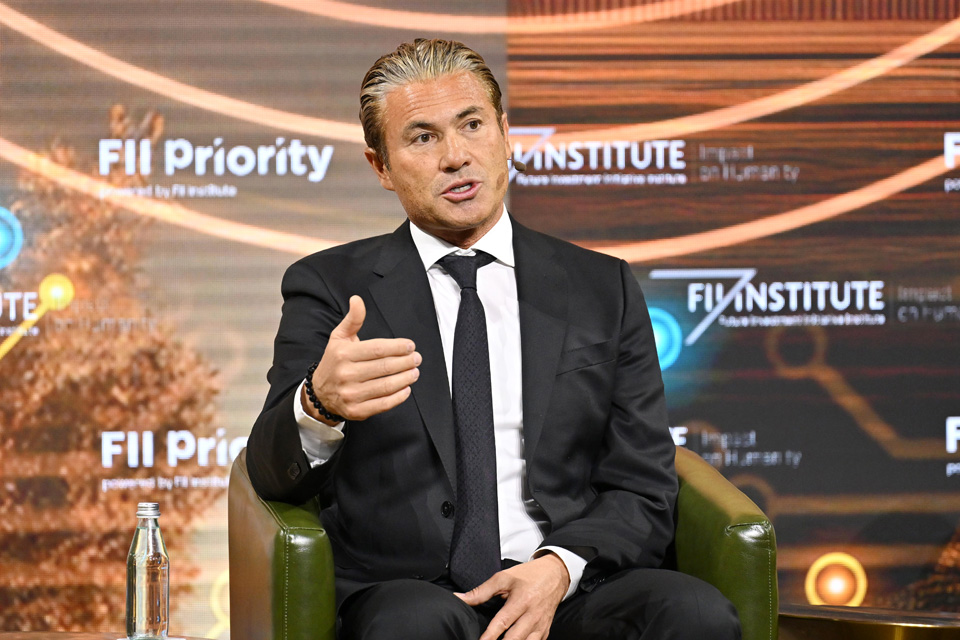
Rayan Fayez, Deputy CEO of NEOM, FII Priority Miami 2026 Panel: Which Computer Hubs will Win the Next Hub of AI?


At the same time, investors are becoming more selective in how they evaluate markets. Capital is increasingly flowing toward countries that demonstrate policy clarity, execution at scale, and strong alignment between public and private sector priorities.


A notable announcement made by Richard Attias, FII Chairman and Acting CEO was the launch of the Capital in Motion Index (CMI), a new global initiative designed to track how capital flows across borders, sectors, and technologies. This announcement signals a push toward transparency and precision in understanding where opportunity is emerging globally.


Richard Attias, FII Chairman and Acting CEO at FII Priority Miami 2026


Artificial intelligence also featured prominently, not just as a technology trend, but as a core driver of efficiency, scale, and long-term competitive advantage across industries.


FII also continued its focus on innovation through the FII Innovators Pitch in partnership with MIT Solve, connecting startups in sectors most important for capital allocation, including artificial intelligence, sustainability, healthcare, and education with global investors and partners.

 
HUMAIN, a Public Investment Fund-backed AI company, announced a partnership with Turing, a fast growing AI company to launch what is being positioned as the world’s first enterprise AI agent marketplace. The platform is designed to help companies discover, deploy, and scale AI agents across their operations.


Tarek Amin, CEO, HUMAIN on FII Priority Miami 2026 Panel: How to go AI-Native


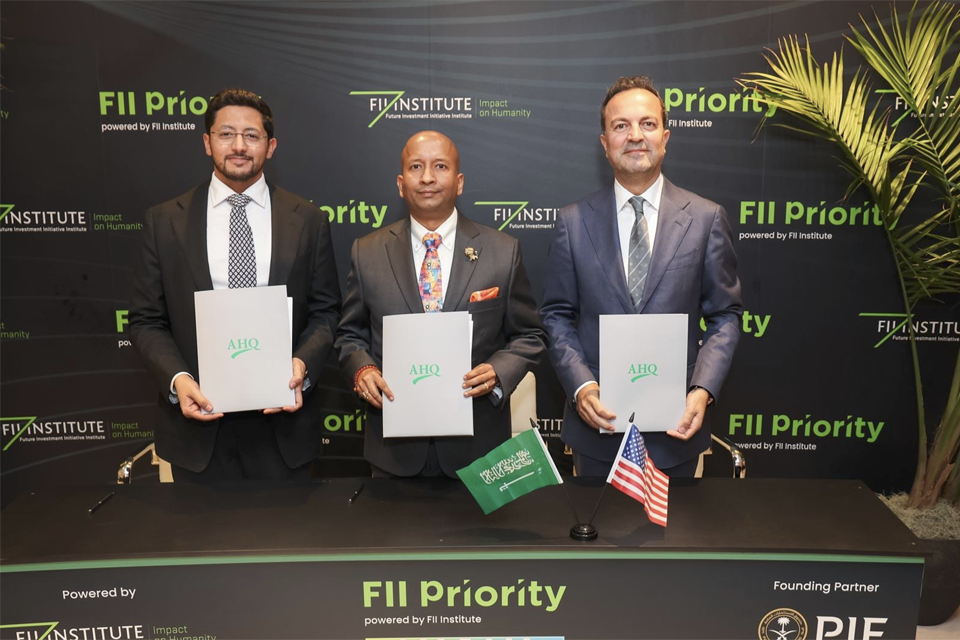
On the hospitality front, the Patel Family Office and AHQ announced a $1 billion hospitality platform, called AYARA, to develop 50 hotels across Saudi Arabia, catering specifically to the surge in business travel and the Kingdom’s rapid growth.


The Patel Family and AHQ; H.E. Abdulmalik Tariq Al-Qahtani, CEO of AHQ, Patel Family Office Vice Chairman and Managing Partner Lakshmi Narayanan, Vice Chairman of ATQ Hospitality Group, Matt Jordan


If there is one clear takeaway for the Exclusive Luxury Magazine community, it is this: capital is not slowing down. It is being redirected toward the most ambitious projects, regions with real assets, and opportunities aligned with long term national priorities.


Latin America is firmly part of that equation. The partnerships announced in Miami point to a deeper level of engagement between the Gulf, South Florida, and the region.


As those relationships continue to develop, Miami is well positioned to play a central role in how they take shape.


Upcoming interviews will feature some of the key leaders shaping today’s global investment and economic landscape.

There’s a quiet confidence to Lemay’s arrival in the Middle East — the same steady assurance that has defined the Montreal-founded design firm since its earliest days. Established in 1957, Lemay has grown from a single Canadian studio into one of the country’s most respected global design practices, recognized for shaping cities and communities through an uncommon mix of creativity, technical precision, and human insight.


Today that legacy is finding new expression across the Gulf. From its base in Dubai, Lemay is leading a series of landmark projects in Riyadh, Dammam, Dubai, and Abu Dhabi, marking a significant expansion of the firm’s international footprint. “We’re not simply entering a new market,” says Amro El Chabti, Senior Partner and head of Lemay’s Middle East operations. “We’re already here — trusted, active, and contributing to a region that’s redefining itself in real time.”


A Region on the Rise

Saudi Arabia’s Vision 2030 and the UAE’s drive toward cultural and economic diversification have made the Gulf one of the most dynamic design landscapes in the world. “The appetite for innovation here is real,” El Chabti explains. “Clients want bold, iconic projects that express identity, ambition, and optimism.” He points to the region’s accelerating investment in hospitality, infrastructure, and mixed-use urban districts as evidence that architecture is now central to civic storytelling.


For Lemay, the moment is ideal. The firm’s multidisciplinary model — uniting architecture, interiors, landscape, urban design, structural engineering and environmental expertise under one roof — allows it to respond quickly to complex briefs without sacrificing creativity or craft. “We can adapt to the pace, culture, and climate of each project,” he says. “And each project enriches our global practice: we’re learning as much as we’re contributing.”

Collaboration Without Borders

Lemay’s network of studios in America, Europe and the Middle East works as a single creative organism, trading ideas and resources across time zones. Projects begin in one city and evolve in another, drawing on specialists fluent in energy intelligence, cultural planning, and advanced digital design. “Design is never about one office or one person,” El Chabti notes. “It’s about the strength of connection between teams and clients.”

“Design isn’t about distance — it’s about dialogue,” says Amro El Chabti, whose Dubai-based team leads Lemay’s growing portfolio across the Middle East.

That exchange has already delivered results. In less than two years, Lemay has secured multiple high-profile commissions now under construction across the region, from commercial buildings and office space to hospitality amenities and master planning of new neighbourhoods. “When I arrived, people would ask, ‘Who is Lemay?’” he recalls. “Now, we’re delivering work that speaks for itself.”


Building Trust and Presence

Great design emerges from deep relationships: understanding context, listening to communities, and building trust with partners who know the region intimately. “The business rhythm here is fast,” he says. “But earning trust takes time. We build relationships before we build architecture.” That commitment has helped Lemay establish a lasting foothold, with its Dubai studio serving as the regional hub and a growing team taking shape in Riyadh.


Beyond the drawing board, the firm is exploring collaborations with local universities and sustainability partners, extending its belief that architectural practice should leave a broader social and environmental legacy. El Chabti describes the process as incremental but purposeful — a strategy built on listening, adapting, and contributing to the region’s long-term vision.

Looking Ahead

For Lemay, the Middle East represents both opportunity and responsibility: an opportunity to participate in one of the most exciting design markets in the world, and a responsibility to do so with sensitivity to culture, climate, and community. “The goal isn’t just growth,” El Chabti says. “It’s about creating spaces that improve daily life while capturing the spirit of the region.”


As the firm approaches its seventh decade, that spirit of curiosity continues to guide it. “Impactful design results from dialogue,” El Chabti reflects. “It’s that commitment to listening and co-creating that defines our practice.”


H.E. Yasir O. Al-Rumayyan, Elon Musk, H.R.H, Ambassador, Princess Reema Bandar Al Saud, Steve Witkoff, Gianni Infantino, Jared Kushner, Dina Powell McCormick, Richard Attias, Cécilia Attias, Francis Suarez


By Jeannette Paulino, Middle East Section Editor


Saudi Arabian leadership and investors return to Miami for the fourth consecutive year, reinforcing the city’s growing and central role as a strategic investment destination and accessibility point for its wider ambitions in Latin America. At a time of global uncertainty, one constant remains: the Kingdom’s long-term economic transformation continues at full speed, with capital, partnerships, and influence extending far beyond its borders.


The Future Investment Initiative (FII) hosts its fourth Miami edition at the Faena Hotel, convening influential leaders from Saudi Arabia, the wider Gulf, South Florida’s business community, and Latin America’s leading executives. A few headliners include Her Royal Highness, Ambassador, Princess Reema Bandar Al Saud; 45th & 47th U.S. President Donald J. Trump; H.E. Yasir O. Al-Rumayyan, Governor of Public Investment Fund and Chairman, Saudi Aramco & FII Institute; Gianni Infantino, President of FIFA, Brad Garlinghouse, CEO of Ripple; Dina Powell McCormick, President and Vice Chairman of Meta, Gerard Inzerillo, Group CEO, Diriyah Company; Francis Suarez, 43rd Mayor of Miami; Stephan Ross, Founder, Non-Executive Chairman, Related Companies; and Mohamed Alabbar, Founder, Emaar Properties, Founder, Noon.com.


Her Royal Highness, Ambassador, Princess Reema Bandar Al Saud


Often described as the “Davos of the Desert,” FII is a flagship platform of the Future Investment Initiative Institute, founded by Saudi Arabia’s sovereign wealth fund, the Public Investment Fund (PIF). The forum brings together heads of state, CEOs, institutional investors, and innovators to discuss global economic trends, emerging technologies, and investment opportunities, while advancing the Kingdom’s ambitious Vision 2030 agenda.


Vision 2030 was launched in 2017 by Crown Prince Mohammed bin Salman, and is Saudi Arabia’s blueprint to diversify its economy beyond oil. Over the past decade, the Kingdom has deployed hundreds of billions of dollars across sectors including technology, financial services, advanced manufacturing, infrastructure, tourism, and entertainment, positioning itself as one of the world’s most ambitious economic transformation stories.


Central to these investments are large-scale developments such as NEOM, intended to be a futuristic city, now strategically pivoting to a global AI, data center, and technology hub. Saudi Arabia has also invested heavily in digital infrastructure and emerging technologies through partnerships with leading global companies, such as Nvidia and AMD.


As part of Vision 2030 and the objective to reposition the Kingdom as a premier destination for both leisure and business travel, the country leadership has deployed $150 billion – $200 billion across tourism and destination development, launching landmark initiatives such as the ultra-luxury Red Sea Project (or the ‘Maldives in the Gulf’). The country has also made significant capital allocation towards sports and entertainment efforts, including a Six Flags theme park, LIV Golf, a WWE partnership, among many other strategic investments in speed boat racing, gaming ($55 billion acquisition in Entertainment Arts), aiming to grow its local and global cultural and entertainment influence.


Shebara Resort, Red Sea


Beyond the Kingdom itself, Saudi Arabia is expanding its economic relationships with emerging markets across the Global South. The Miami forum’s theme, “Capital in Motion,” reflects the shifting dynamics of global investment: how capital is being reallocated across regions, sectors, and new growth destinations.


Latin America features prominently on the FII agenda, underscoring the region’s strategic importance to Saudi Arabia. Bilateral trade between Saudi Arabia and Latin America now approaches $9 billion annually, with Brazil alone accounting for approximately $6.7 billion across agriculture, energy, and infrastructure.


For South Florida, these developments carry particular significance. Miami has firmly established itself as a global financial and commercial hub for Latin America, offering a natural channel for cross-regional investment flows and international business expansion. The city’s connectivity, multicultural workforce, and recent transformation in the last few years make it an increasingly attractive entry point for Gulf investors seeking opportunities in Latin America.


Her Royal Highness, Ambassador, Princess Reema Bandar Al Saud; H.E. Khalid bin Abdulaziz Al-Falih, Former Minister of Investment, Saudi Arabia; Francis Suarez, Former Mayor of Miami; Abdulrahman Bakir, Managing Director, Americas, Ministry of Investment, Saudi Arabia


In this evolving inter-regional landscape, FII Miami serves not only as a conference, but as a strategic convening point, bringing together decision-makers who are shaping the future of global capital, technology, and multi-regional economic cooperation.


The Future Investment Initiative celebrates its 10th anniversary in Riyadh, marking a decade of convening some of the world’s most influential leaders under the Vision 2030 framework.


As Saudi Arabia continues to redefine its global role, Miami’s position within that narrative appears poised to grow, not just as a host city, but as a partner in one of the most consequential economic transformations of our time.

Jeannette Paulino

Middle East Section Editor

Exclusive Luxury Magazine

A Letter from the President & Editor-in-Chief

For many years, through LUXE Magazine, I had the privilege of building a strong and engaged community of business leaders, entrepreneurs, and innovators who believe in the power of meaningful connections. That experience shaped my vision for what media can truly accomplish: not simply publishing content, but creating a platform where influential conversations take place, where leaders are highlighted, and where opportunities are created.


Today, I am proud to continue that vision with Exclusive Luxury Magazine, a digital publication developed under the umbrella of LUXE Magazine.


Exclusive Luxury Magazine was designed as a boutique media platform dedicated to a highly curated business community. Our goal is not to reach the masses, but to bring together a network of influential individuals who share a common interest in leadership, innovation, investment, and global opportunities.


Our editorial approach brings forward the leaders, companies, and projects that are shaping business, innovation, luxury real estate, and global influence.


We highlight the leaders who are making a difference, the companies shaping our economies, the most exciting real estate developments, the evolution of global finance and technology, and the cultural forces that continue to influence our societies—from art and architecture to luxury hospitality and travel destinations.


At the same time, one reality has become increasingly clear. A powerful economic and cultural corridor already exists between South Florida and the Middle East. From investment and real estate to technology, tourism, global forums, and innovation, the relationship between these two regions is expanding rapidly and creating extraordinary opportunities.


This connection is precisely what distinguishes Exclusive Luxury Magazine from local publications. ELM was created to highlight this growing corridor between South Florida and the Middle East and to bring these markets closer together through meaningful conversations, business opportunities, and strategic visibility.


Today, I am proud to officially announce the launch of the Middle East Section of Exclusive Luxury Magazine.


This new section will explore one of the most dynamic regions in the world, highlighting the transformation currently taking place across the Middle East. Beginning in April, our coverage will include topics such as the Kingdom of Saudi Arabia’s Vision 2030 and its global impact, the cultural transformation of cities such as Riyadh, Dubai, and Doha, major investment and business opportunities across the region, why Dubai remains one of the world’s most dynamic luxury real estate markets, and the powerful rise of global influence emerging from the Middle East.


Most importantly, our readers will gain access to exclusive interviews with some of the most influential leaders shaping the future of the region.


To lead this exciting editorial chapter, I am delighted to welcome Jeannette Paulino as our Section Editor for the Middle East. Jeannette is a Miami-based strategic advisor and former management consultant in the Middle East, having lived in Dubai and worked extensively across Saudi Arabia and the United Arab Emirates. She has advised governments, multinational companies, and senior executives on Vision 2030 initiatives, international partnerships, and large-scale strategic projects across sectors including technology, trade, investment, real estate, healthcare, education, and entertainment.


Jeannette has played an instrumental role in strengthening economic, business, and social ties between South Florida and the Middle East. Through her leadership of the Middle East Section, she will bring forward thoughtful analysis, exclusive interviews, and on-the-ground insights into one of the world’s most dynamic regions, while highlighting the growing strategic corridor connecting Miami and the Gulf.


Exclusive Luxury Magazine is built on a simple belief: strong communities create powerful opportunities. Our platform exists to connect leaders, strengthen relationships, and create meaningful conversations that lead to business opportunities, partnerships, and new ideas.


As we open this new chapter, I invite you to join our growing community.


Subscribe today to our newsletter at www.ExclusiveLuxuryMagazine.com and receive privileged access to our editorial features, exclusive interviews, and upcoming initiatives.


The dialogue between Miami and the Middle East is only beginning. We look forward to sharing this journey with you.


MIAMI — MIDDLE EAST


Stay tuned.


Samia El
President & Editor-in-Chief
Exclusive Luxury Magazine