
YOUR ONLINE MAGAZINE FOR LUXURY REAL ESTATE & ART DE VIVRE

Home / 2019 / March (Page 2)

Why not take some me-time while you explore a new destination—in Switzerland? With its endless breathtaking views, this land of many peaks is the ideal destination to recharge and discover new horizons. EXCLUSIVE LUXURY Magazine has selected three of the country’s most beautiful spa resorts.


hotels-spas-en-Suisse-2

Gstaad Palace (Gstaad)

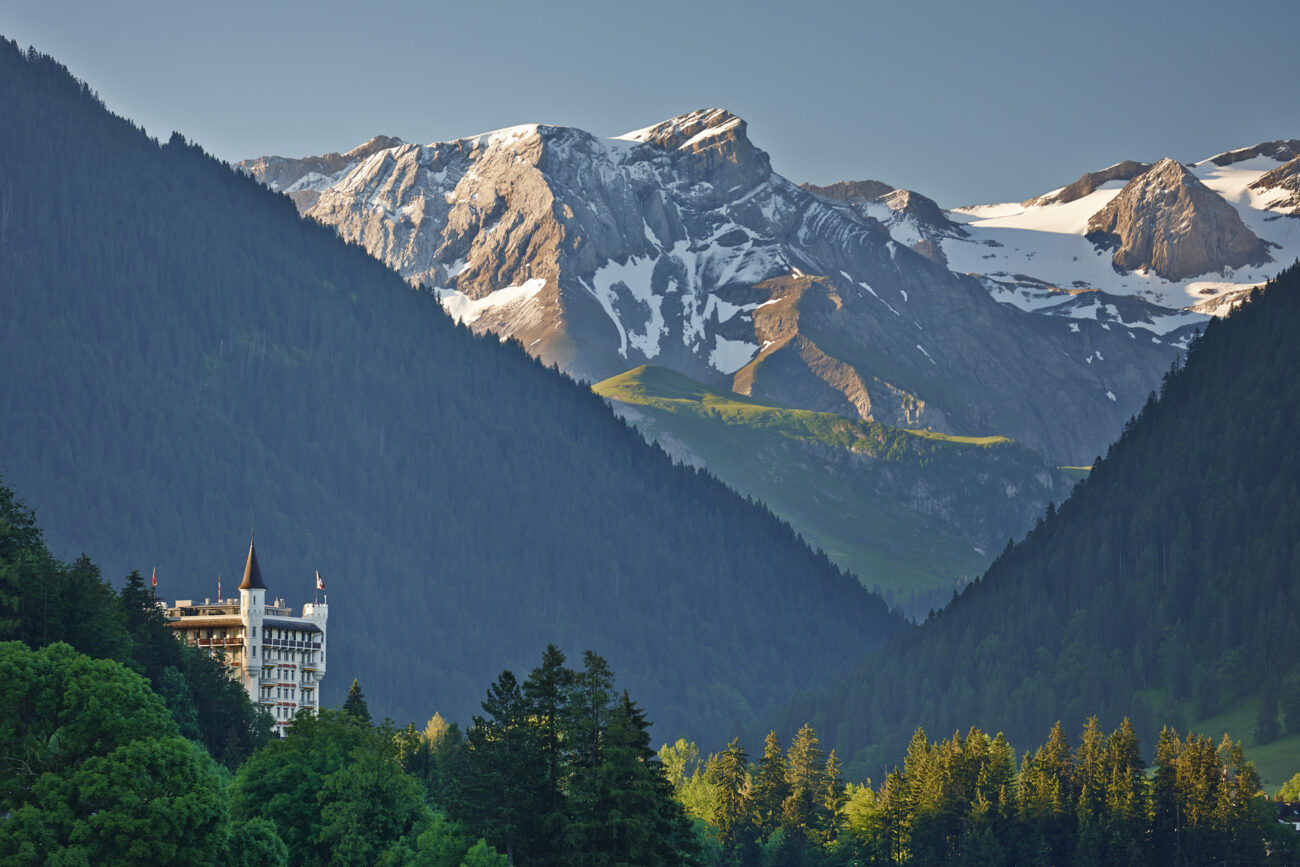
Perched on a hill overlooking the town centre, Gstaad Palace provides a stunning view of the Bernese and Valaisian Alps. Founded 1913, this luxury establishment has a stellar reputation that attracts royalty and jet-setters from around the world, year after year. Moreover, it is considered one of the most beautiful establishments in Switzerland because of its enchanting surroundings and unique atmosphere that seamlessly combine glamour and alpine wellness. The unforgettable treatments in its magnificent 1,800 m2 spa offers are not to be missed. 

www.palace.ch


hotels-spas-en-Suisse-3

hotels-spas-en-Suisse-4

Overview

  • 90 rooms and suites including two Tower Suites (two bedrooms and lounge) and one Penthouse Suite (three bedrooms and lounge) on the hotel roof
  • The Walig Hut, a luxury cabin located at an altitude of 1,700 m, a true haven in the heart of nature with all of the hotel’s comfort and services
  • Several luxury restaurants and bars
  • A famous nightclub

Spa (1,800 m2)

  • Eight treatment rooms
  • Sauna, steam baths and outdoor relaxation area
  • Private spa suite with sauna
  • Indoor and outdoor pools
  • Jacuzzi, hammam, massages
  • Tennis and squash courts

We love

  • The impeccable service
  • The outdoor Olympic pool in the summer
  • The private spa suite with sauna, hammam, lounge, shower and dressing room—ideal for perfectly private relaxation
  • The elegance and beauty of the surroundings: many films were shot on-site, including The Return of the Pink Panther in 1975
  • Anecdotes that add to the mystique: apparently Michael Jackson wanted to buy the palace, but for once, he didn’t get what he wanted

Le Mirador, Resort & Spa (Mont Pèlerin)

Just 45 minutes from Geneva, overlooking Lake Geneva from the heart of the UNESCO-listed Lavaux vineyards, Le Mirador Resort & Spa has one of the most magnificent panoramic views in Switzerland. This oasis of calm is a boutique hotel with 63 luxurious rooms and suites, a Givenchy Spa, a fitness centre and a health and wellness centre. The spa specialists will help you recover from your workout with treatments or massages while the medical centre experts provide healing and preventive treatments for deep revitalization.

www.mirador.ch

Overview

  • 57 suites and six rooms
  • Two restaurants
  • Lounge bar and terrace

Givenchy Spa

  • Indoor pool and jacuzzi
  • Sauna and hammam
  • Group classes and private coaching
  • Tennis court

Le Mirador Medical Centre

  • Preventive and regenerative remedies
  • Anti-aging and detox programs
  • Dermatology, nutrition, cardiology and dentistry

We love

  • The incredible view of Lake Geneva and the Alps above the clouds
  • The know-how of an establishment founded 114 years ago
  • The relaxing atmosphere of this high-end hotel
  • The proximity of the vineyards of Lavaux and Chillon Castle, a true architectural gem

Dolder Grand (Zurich)

One of the Leading Hotels of the World, the Dolder Grand is one of the best vacation spots in Europe. High in the hills, halfway between the bustling city and fresh calm of nature, this luxurious castle offers magnificent views of Zurich, its lake and the Alps. It has 175 magnificent suites and rooms as well an expansive 4,000 m2 spa. Its two restaurants (one with 14 Gault Millau points, the other 19 Gault Millau points and two Michelin stars) serve delicious gourmet cuisine.

www.dolderhotelag.com

Overview

  • 175 rooms and suites
  • Two award-winning restaurants
  • Pool and mini golf (in summer), skating rink (in winter)
  • Nine-hole golf course
  • Club house
  • Five tennis courts

Spa (4,000 m2)

  • Separate gentlemen’s and ladies’ spas
  • Comprehensive Aqua Zone: pools, whirlpool terrace, steam bath, sanarium, mixed sauna, spa library, two private spa suites and relaxation areas
  • Fitness room
  • 20 treatment rooms

We love

  • The hotel’s central location, ideal for numerous unforgettable excursions—don’t miss the largest waterfalls in Europe, the Rhine Falls, and the breathtaking views of Pilatus Mountain
  • The shopping in Zurich
  • The Kids Room for children aged three to 12 years
  • The private art collection with more than 100 works by the likes of Andy Warhol, Henry Moore and Salvador Dalí


Text: Diane Stehle
Photos: Gstaad Palace © Gstaad Palace – Le Mirador, Resort & Spa © Le Mirador, Resort & Spa – Dolder Grand © Zelijko Gataric, Heinz Unger
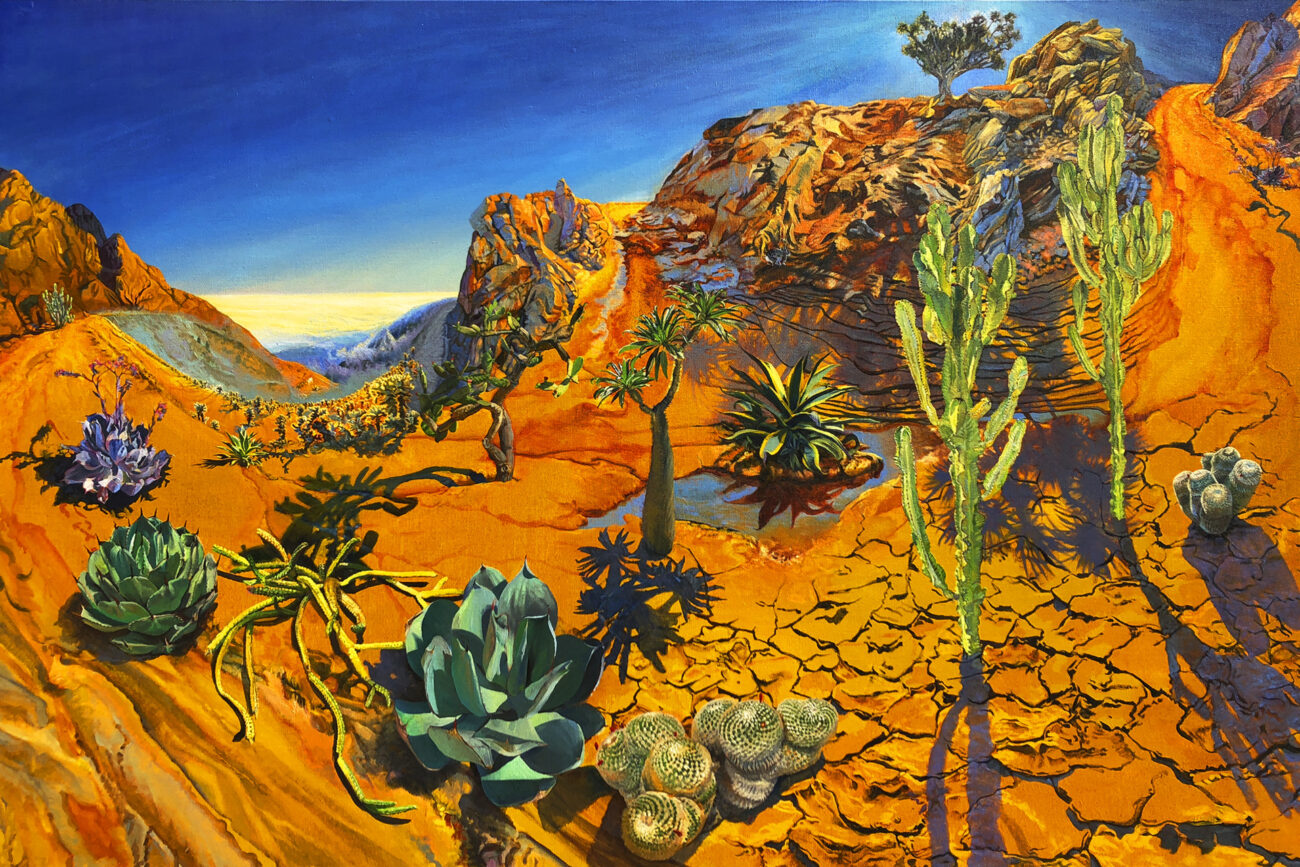
Gerri Davis is a painter, but NASA could almost have used her as a scientist. Her paintings are incredibly cool and challenging; they are pushing the boundaries in their field. An afternoon in the studio, going over the works for her upcoming show at Le Salon H, led to an interesting discussion.

Your work features amazing close-ups, where things are dramatically enlarged. But you also paint epic compositions, where things are actually smaller than in reality. Could you talk about your relationship to scale?

The world you see around this magazine that you are holding: the room, the lights, your body, a table perhaps, is actually an enormous view. I’m interested in squeezing that enormity into the confines of the rectangular, two-dimensional frame of a painting. Maximizing the relationship in scale between two things can cause one thing to feel much closer and the other much farther away, so it’s a natural by-product of my attempts to compress more into the frame than should logically fit into the confines of a little square on the wall.


Gerri Davis

Your paintings often seem to subvert gravity; how did you arrive at that way of looking at the world?

I grew up in a NASA neighbourhood filled with astronauts, so gravity was never something I took for granted. Later, I trained as an architect. The systems of representation used in that field allow points of view to be anywhere from underneath to overhead—underground to aerial. This caused me to become acclimated to abnormal vantages. In my work, being a pair of eyes 5’2” above the floor is not a given.

It seems that you pick up the exploration of the laws of optics where the Renaissance masters left off. Your paintings explore playfully and very daringly the meaning of these laws when it comes to representing the world we see.

As a way of exploring the fullness of perception, I devise ways to paint time that often upend the optical rules. This hopefully incites new ways of seeing that we may take with us into the world and that heighten our appreciation for temporal aspects of our biological field of view we might sometimes take for granted.


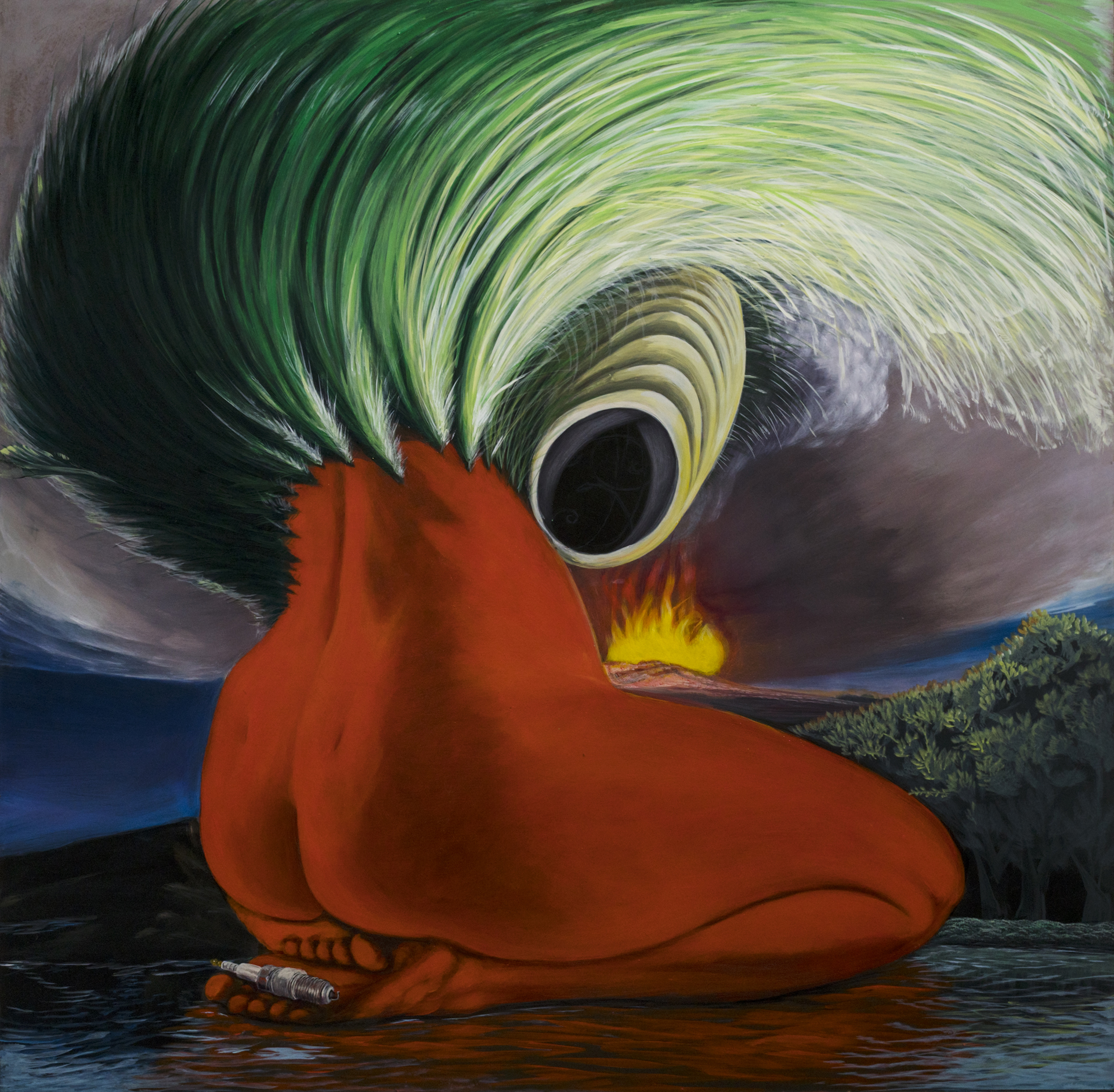
Bather II

You experiment with all sorts of approaches to portrayal, by painting… yourself! Are you your easiest model?

I suppose anytime a painter prepares to paint, there is also a model preparing to be mostly motionless for some extended time. When painter and model are combined, there is a synchronized dedication between subject and artist. Additionally, the depiction of a face absorbed in the act of study invokes an unselfconscious expression. The blankness with which we approach our phones reminds me of that openness. I’m working on a series of paintings that explore that ubiquitous blank stare into a glowing monitor.


Regarding self-portraiture, what really interests me about painting my reflection is the juxtaposition of various iterations of a face over time—how each portrait represents the intersection of a complex relationship between internal psychological and external physical landscape, and the interpretive mechanism driving the experience of making the painting. This varying interplay produces a series of paintings of one person that appear as if they could be many people. It’s possible our identities are not as easily defined as we like to think.


www.gerridavis.net


Text: Barbara Stehle
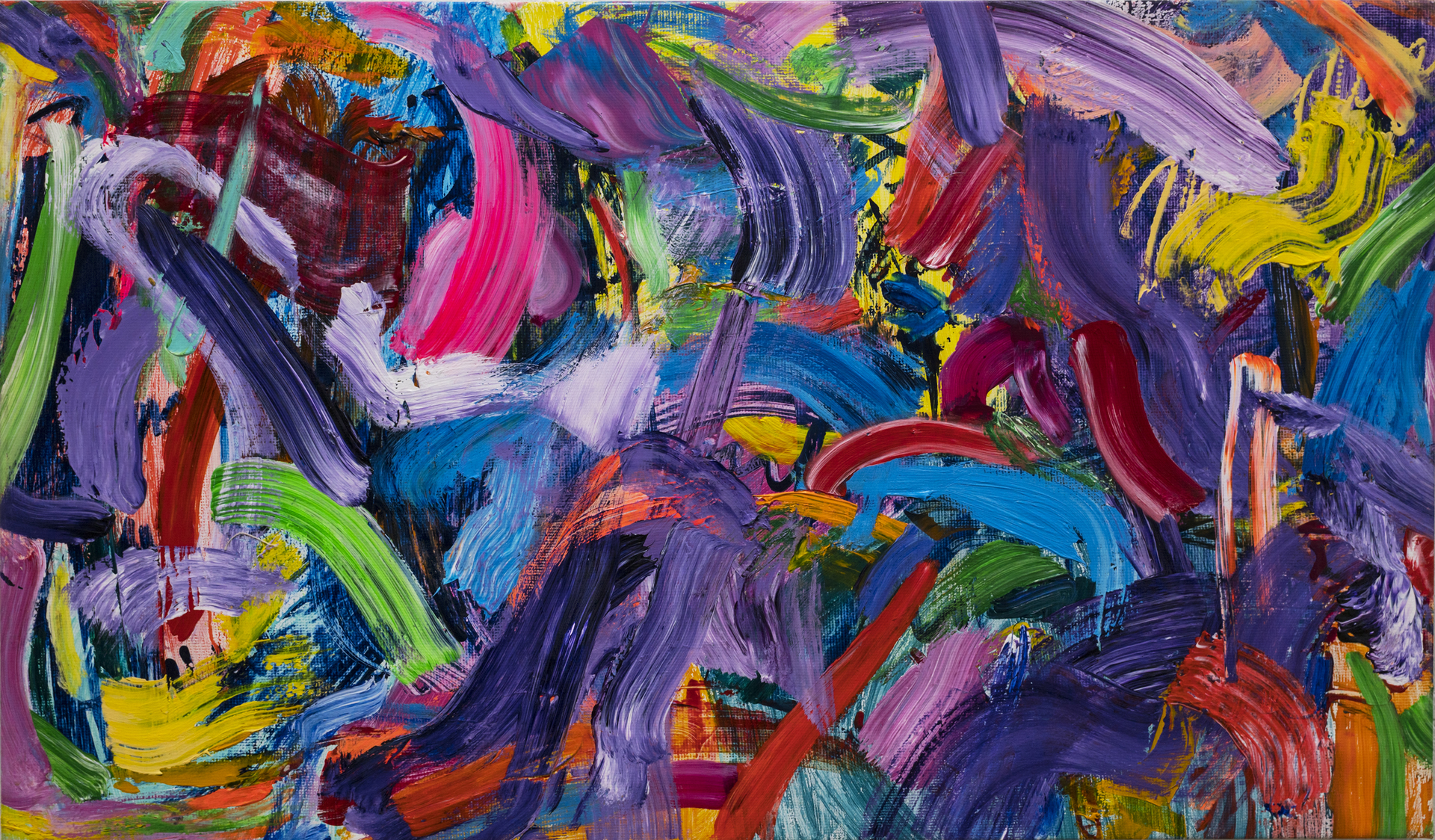
Photos: Wetted Desert, 2018. Oil on linen, 127 x 190.5 cm. Private collection, Beverly Hills, CA. © Courtesy of the artist
Portrait in the Studio in front of The Dance (in progress). © Claudia Hehr, 2012
Bather II, 2015. Oil on canvas, 152.4 x 168 cm. Private collection, Milan, Italy. © Courtesy of the artist

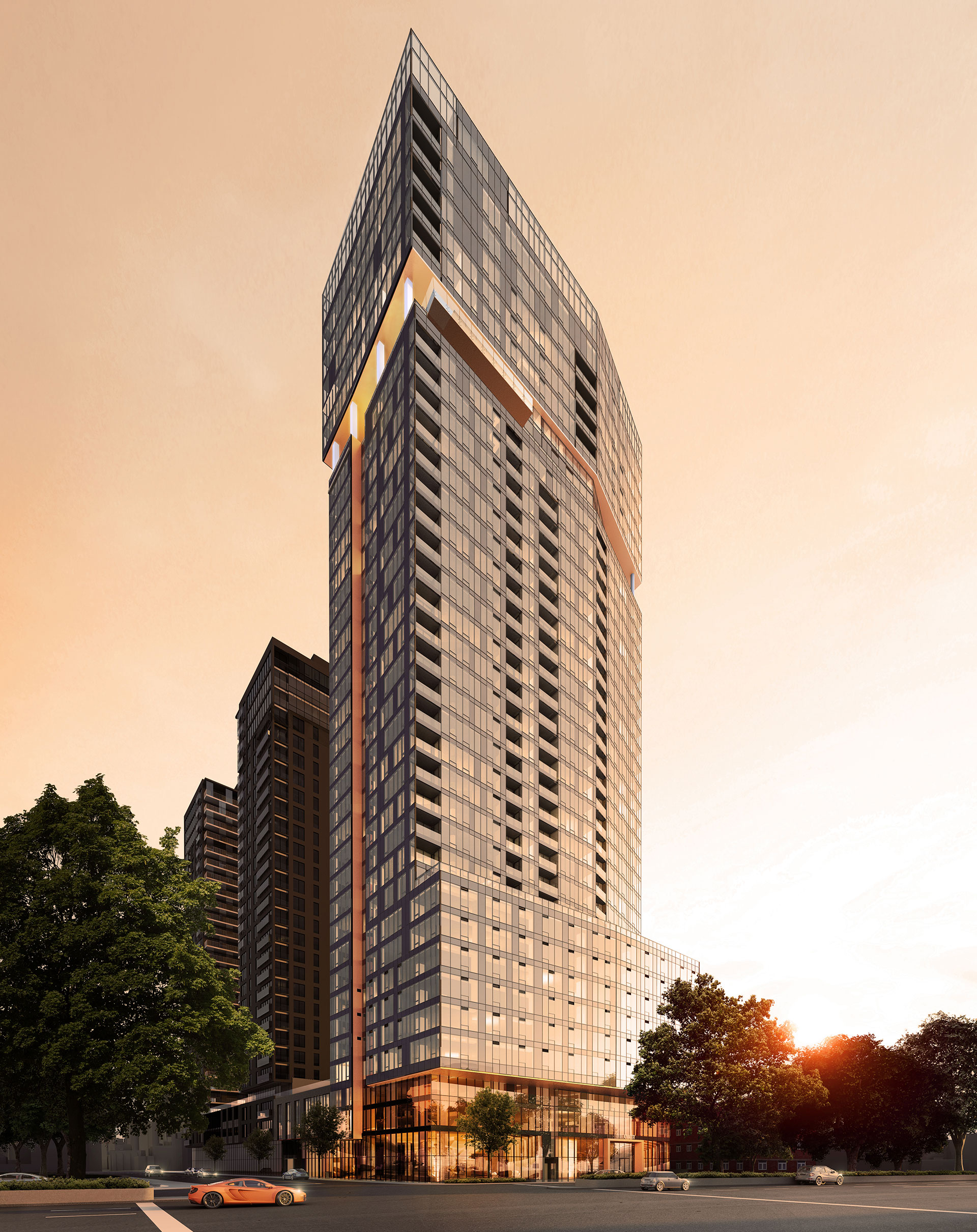
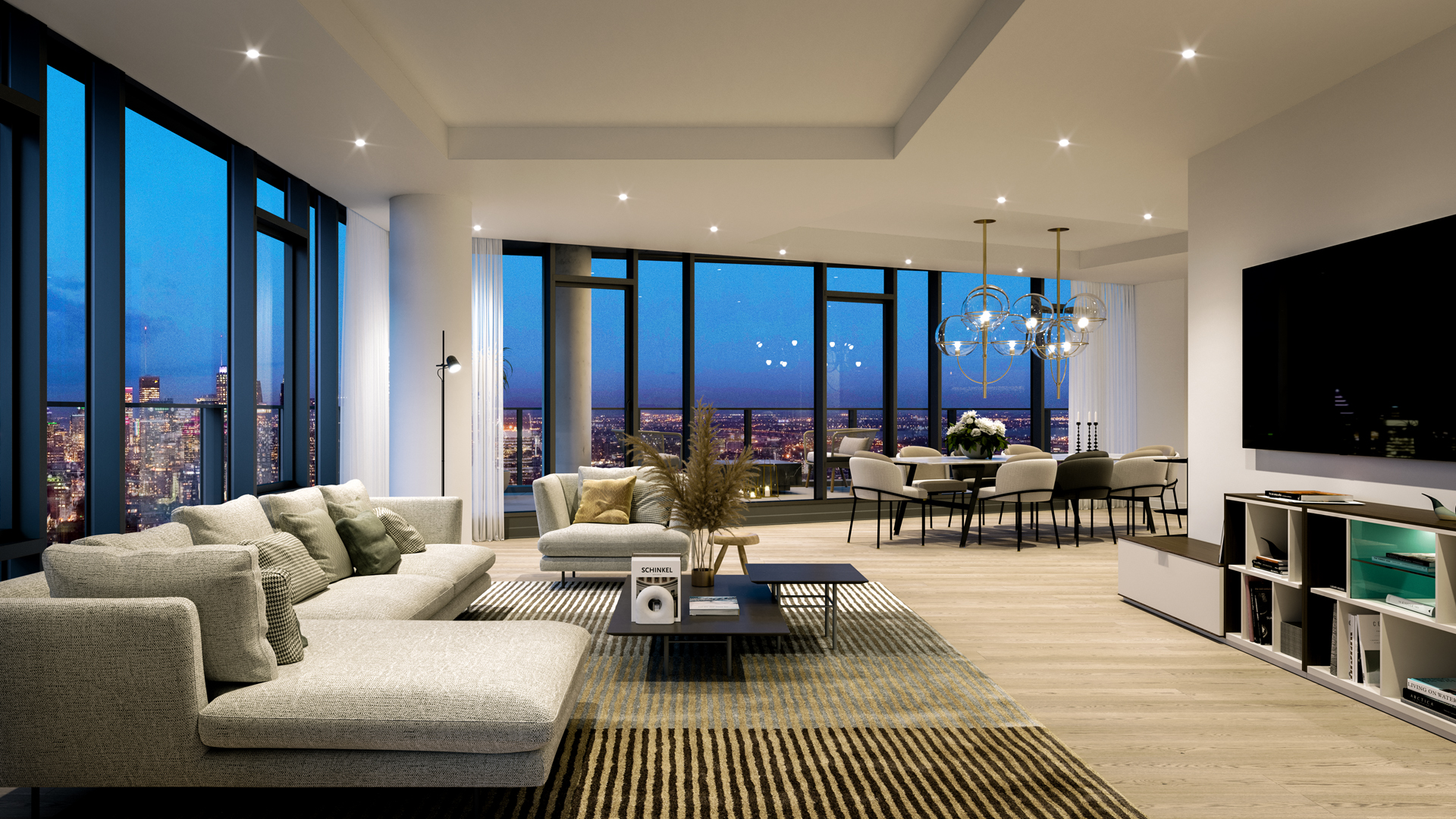
A prestigious address, luxury penthouses, unobstructed 360° views of Montréal, service worthy of a five-star hotel: 1111 Atwater lives up to its promises while redefining luxury living. The result of a partnership between renowned real estate developer EMD Group – Batimo, Clarke and Claridge Immobilier, this exceptional project will allow 25 privileged owners to enjoy a unique lifestyle in the heart of Montréal’s Atwater Avenue.


Built on the former site of the Montreal Children’s Hospital—a site long coveted by real estate developers—1111 Atwater is ideally located. Situated halfway between the mountain and the river, steps away from downtown and the sophisticated City of Westmount, this upscale building offers vast penthouses between the 30th and 38th floors.


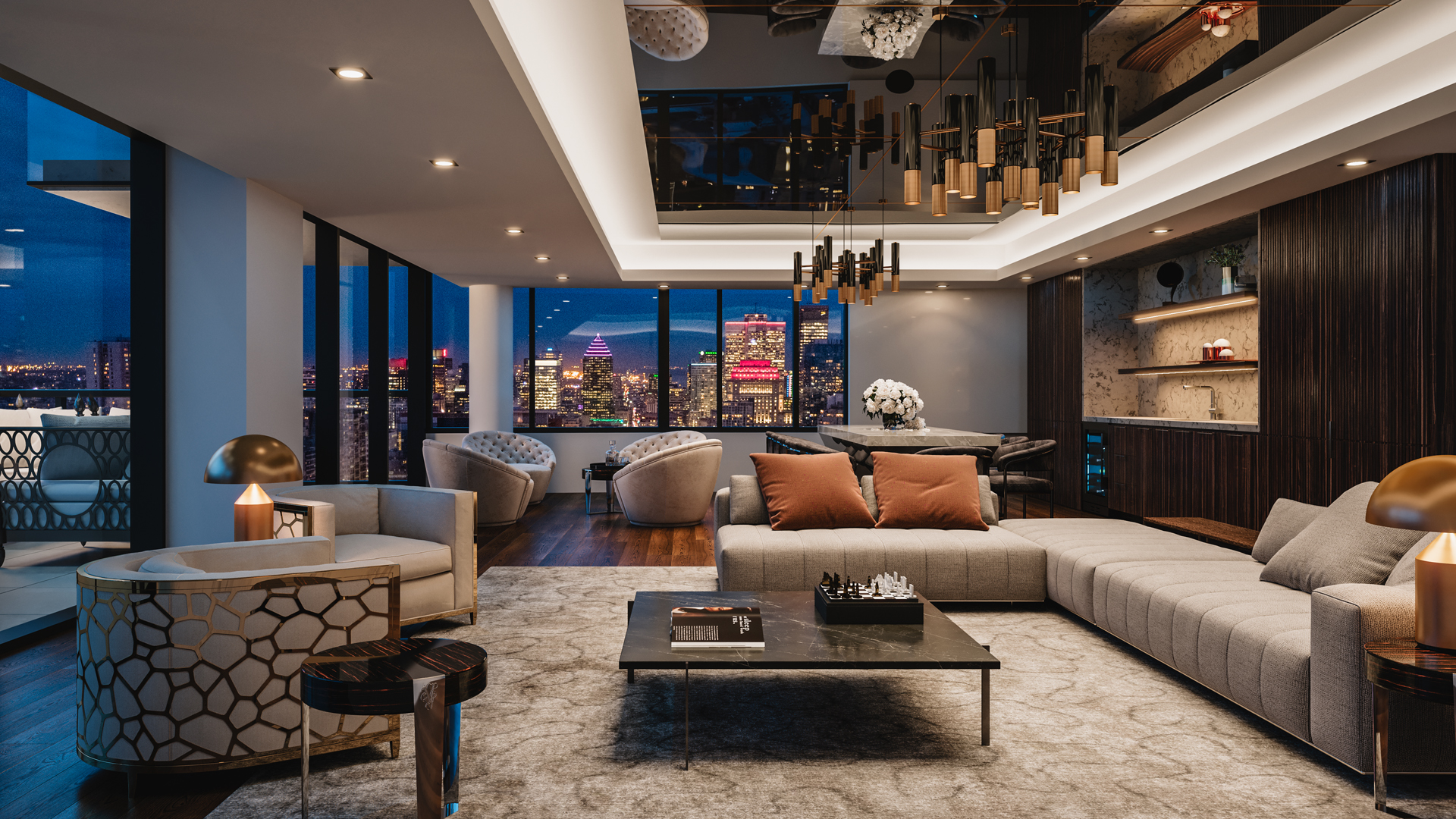
Designed in partnership with the renowned firm Escobar Design by Lemay, these 25 unique spaces stand out for their high-quality materials and elegant design. “We worked with Andres Escobar and his team because we wanted to develop a range of condominiums that the Montréal market had never seen before. They are all ultra-luxurious, down to the last detail,” explains Francis Charron, President of Batimo and Vice-President of EMD Construction.


With 10- to 12-foot ceilings and massive windows, these ultra-bright penthouses are also entirely customizable. “We pay special attention to the needs of our clients. They are all unique and that’s why we offer the flexibility of personalizing each residence. Our units can also be combined to obtain the desired square footage. One of the future owners, a member of the Quebec business community, ordered an entire floor. That’s 10,000 square feet,” adds Charron. To make sure the units reflect their owners’ taste, a designer of their choice or from Andres Escobar’s team can take care of the finishes.


A spectacular view

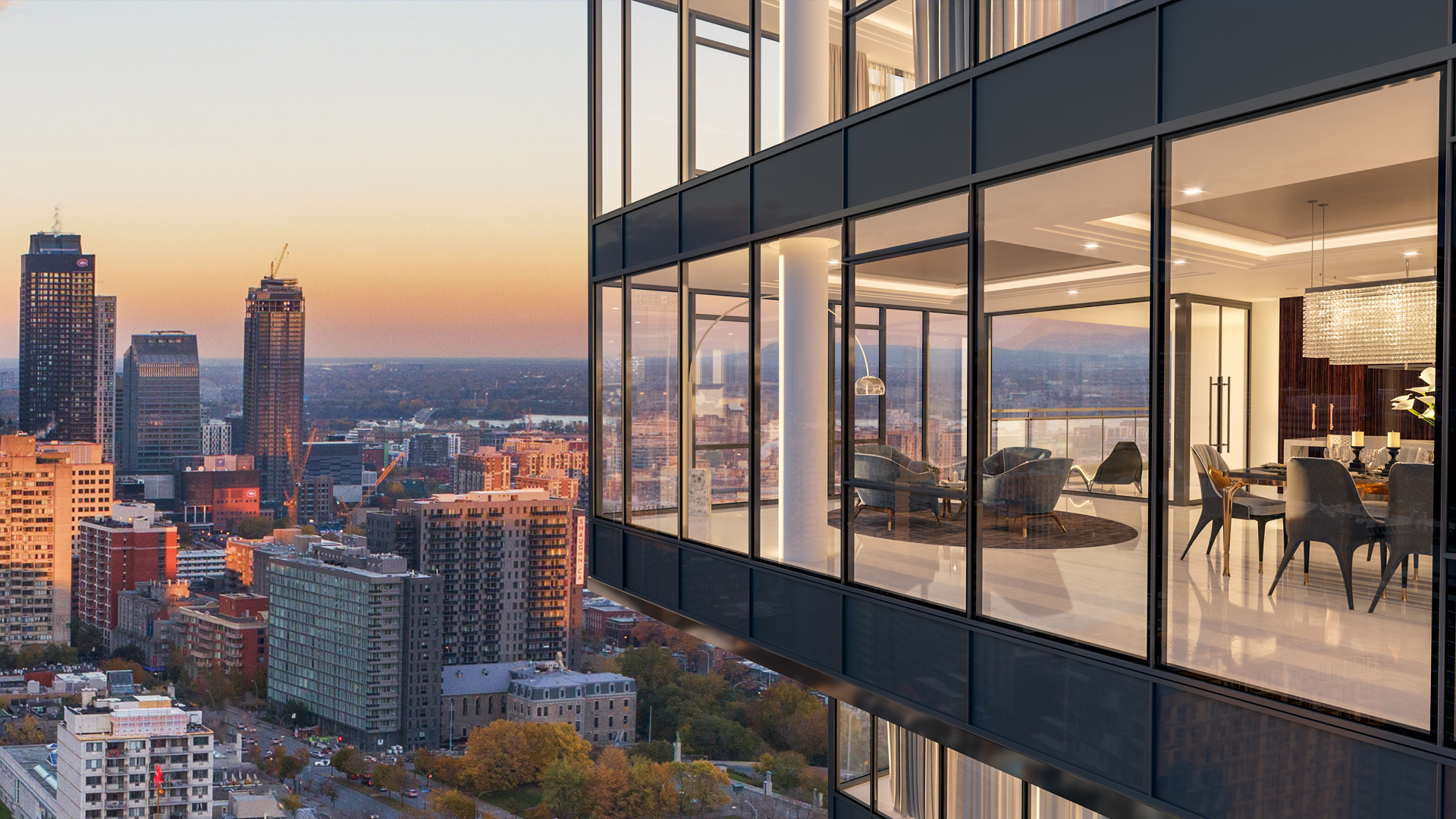
The 1111 Atwater offers another major benefit: breathtaking views of Montréal and its surroundings. From sunup to sundown, this exclusive condominium building—the tallest in the neighbourhood—offers completely unobstructed 360° views. No matter the season, owners have front-row seats to the changing cityscape. The beauty of the river, the mountain and the downtown skyline provide an exceptional panorama.

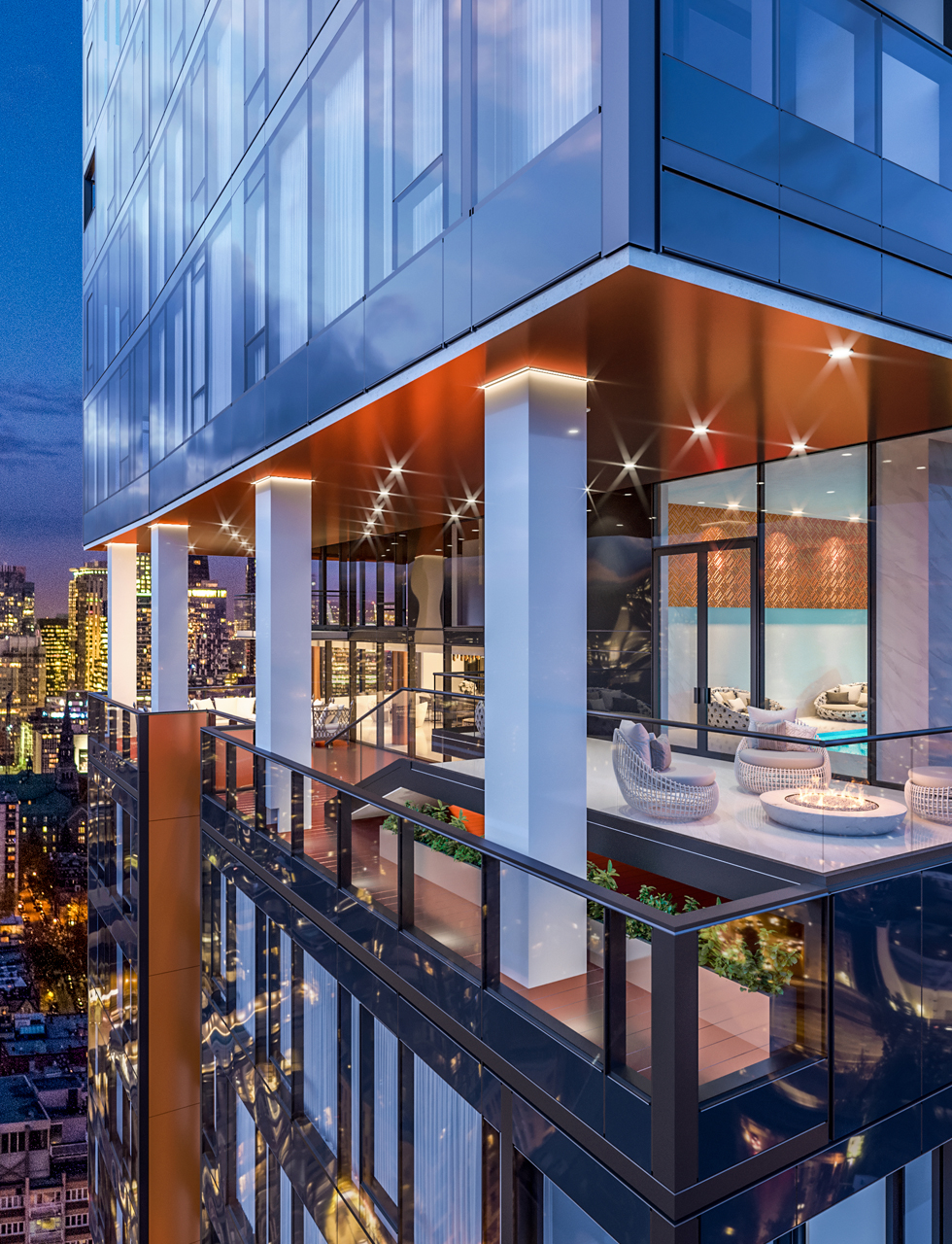
The common areas were not an afterthought. Up on the 31st floor, the magnificent Sky Lounge boasts a massive terrace designed for taking advantage of beautiful days and bird’s-eye views of the city. Owners can receive their guests in this stunning and private setting. The indoor pool opens to the outdoors in summer and the fitness centre is equipped with the latest fitness technology for those who want to stay in shape year-round.


“You will have front-row seats to the changing cityscape.”

Francis Charron, President of Batimo and Vice-President of EMD Construction

Like a five-star hotel

Living at 1111 Atwater means enjoying an exceptional living space, while benefitting from the services of a five-star hotel. Inspired by New York City’s big hotels, the lobby is staffed 24/7 by a concierge trained to satisfy the most exacting demands.


You can feel the exclusive and unique aspect of this project as soon as you step into the sales office, “When we receive visitors for the first time, we offer them an immersive experience that, for a real estate project, is unique in North America. We use state-of-the-art technology to create an immersive experience with a dome that makes it possible to discover the units in a never-before-seen dimension. This introduction reflects our desire to innovate, which shines through the entire project,” Charron proudly concludes. The completion of the 25 gorgeous penthouses at 1111 Atwater is slated for december 2022.


  • Penthouses ranging from 1,200 ft2 to 9,000 ft2 between the 30th and 38th floors
  • From $2 million
  • High-performance curtain wall windows
  • Top-of-the-line kitchen appliances
  • Kitchen cabinets and island countertop included
  • Home automation technology
  • Customization of spaces (additional costs)
  • Interior design services (additional costs)
  • Exclusive indoor/outdoor pool
  • Fitness room
  • Sky Lounge terrace
  • Lounges on the ground floor and 31st floor
  • Private entry and elevators
  • 24/7 concierge
  • Indoor parking

Sales office

2307 René-Levesque Blvd. West, Montréal
Tel.: 1 855 364-6167
www.1111atwater.com

Text: Diane Stehle

Artist and photographer Barry Fellman shines a light on Miami’s art scene with a tribute to influential Miami artists, past and present, in a brilliantly curated exhibit called The Miami Creative Movement at the Center for Visual Communication, and in his stunning companion photo book, Miami Creative: A Decade of Transformation.


The Miami Creative Movement Comes Alive

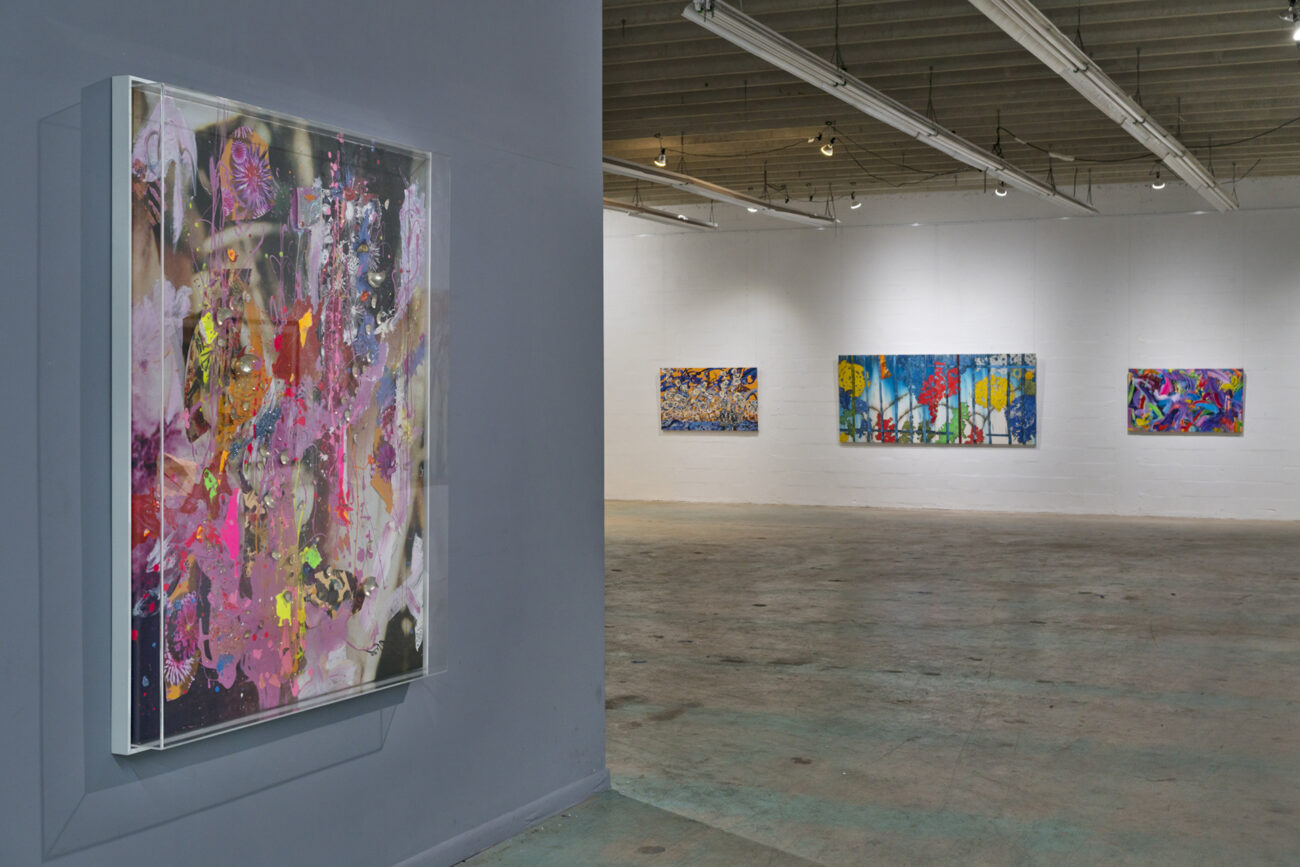
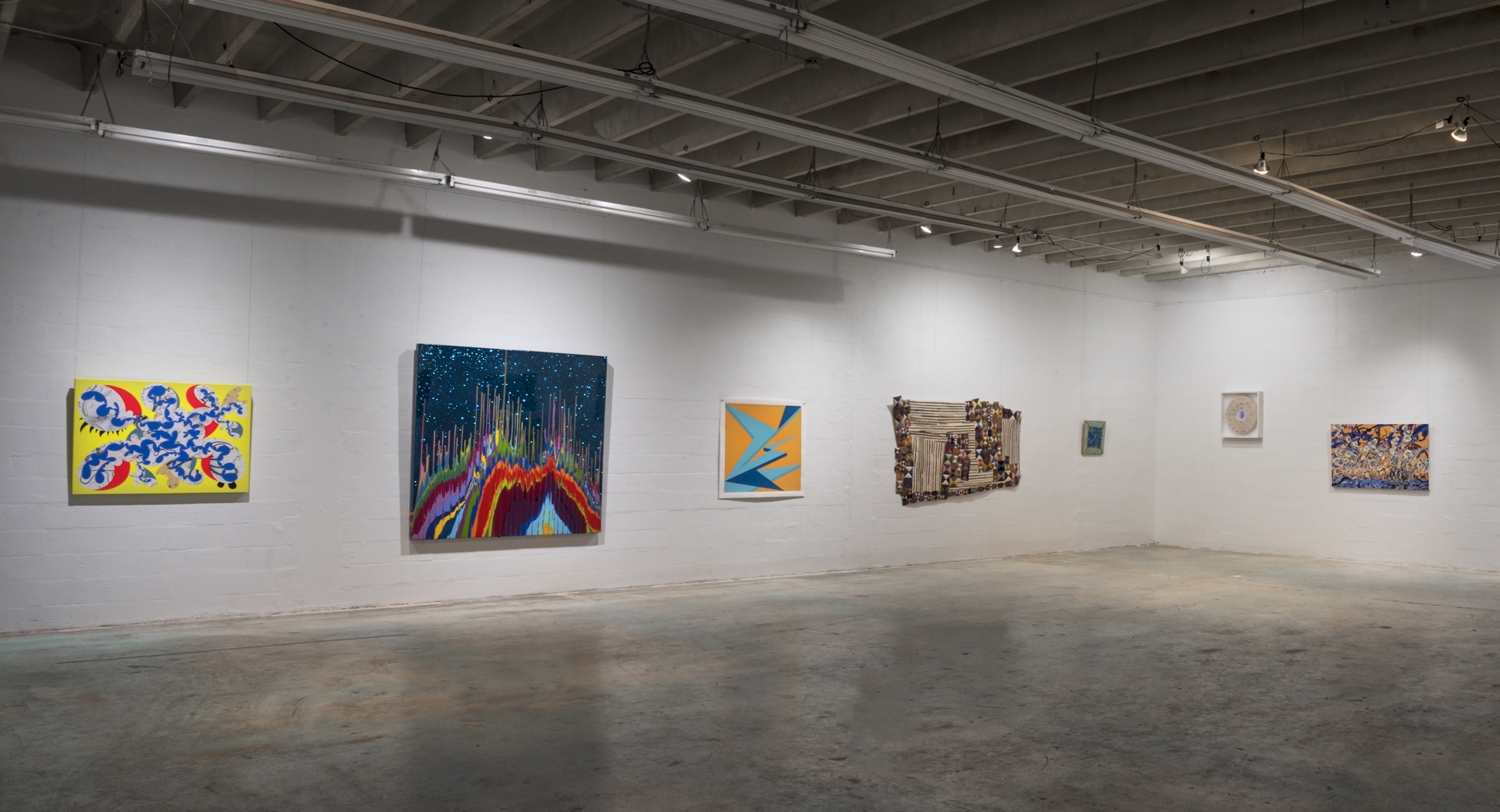
Showcasing a unique and powerful mix of the artists who led the charge and those blazing ahead into the future, The Miami Creative Movement is a formidable assortment of new works by 15 of Miami’s leading artists. The exhibit is currently at The Center for Visual Communication (CVC), a gallery in Wynwood, Miami’s creative and cultural hub. CVC Director Barry Fellman is the curator and mastermind behind the new exhibit as well as a companion piece, a new book called Miami Creative: A Decade of Transformation.

Founded in 1987, the Center for Visual Communication collaborates with governmental, educational and non-profit organizations to promote Miami-based art and artists. The CVC showcases visual art and new media in a majestic 10,000 square-foot gallery space in the Wynwood Arts District.


Fellman first curated The Miami Creative Movement for Miami Art Week in 2022. Extended for six weeks due to its popularity, the exhibit currently on display at the CVC features powerful new works of art by Mira Lehr, Carlos Betancourt, Edouard Duval-Carrié, Karen Rifas, Robert Thiele, John Bailly, Asser Saint-Val, Kathleen Staples, Paola Gracey, Jacqueline Gopie, Robert McKnight, Regina Jestrow, Gustavo Oviedo, Pablo Contrisciani and David Marsh.

Paola Gracey

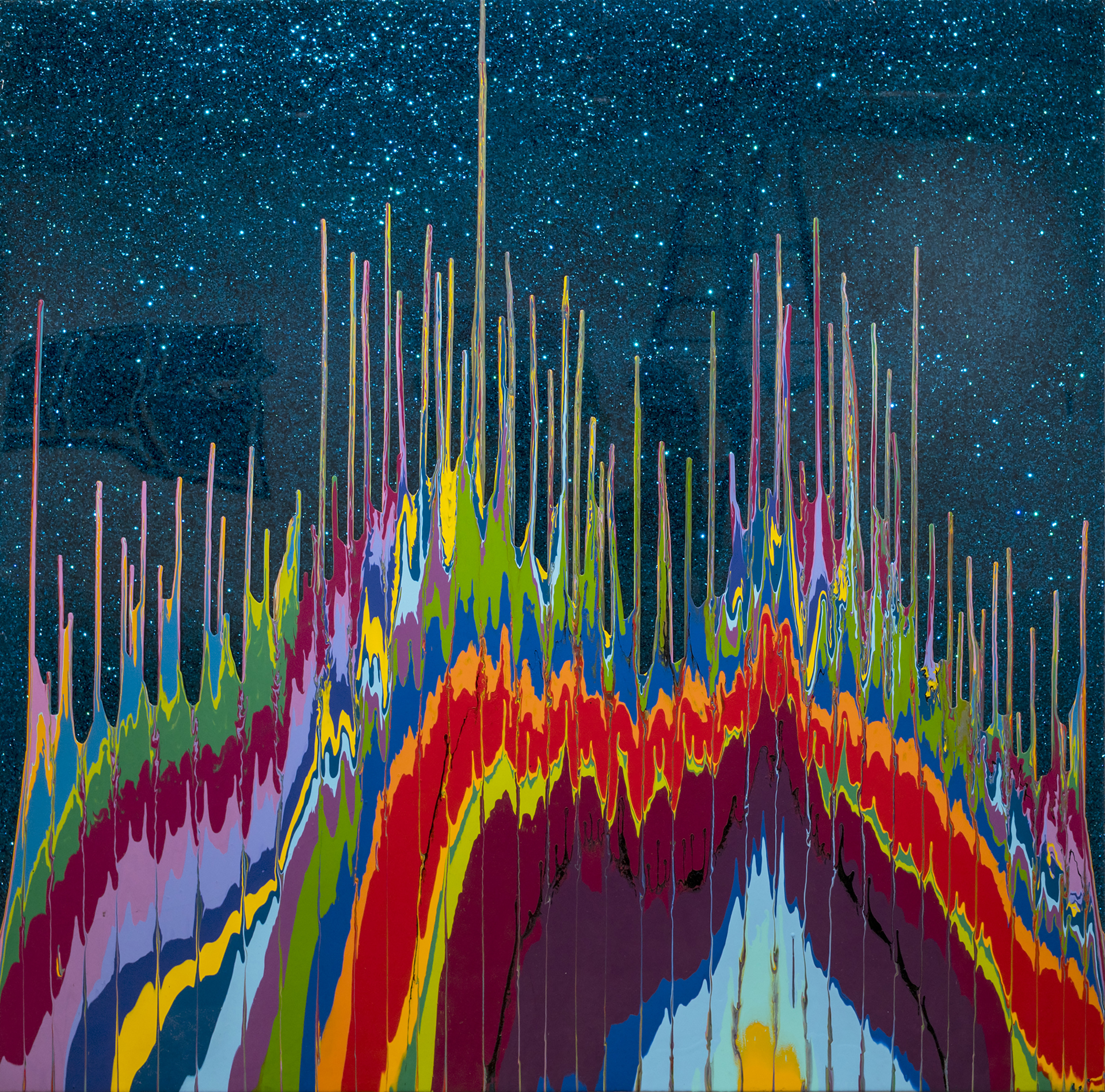
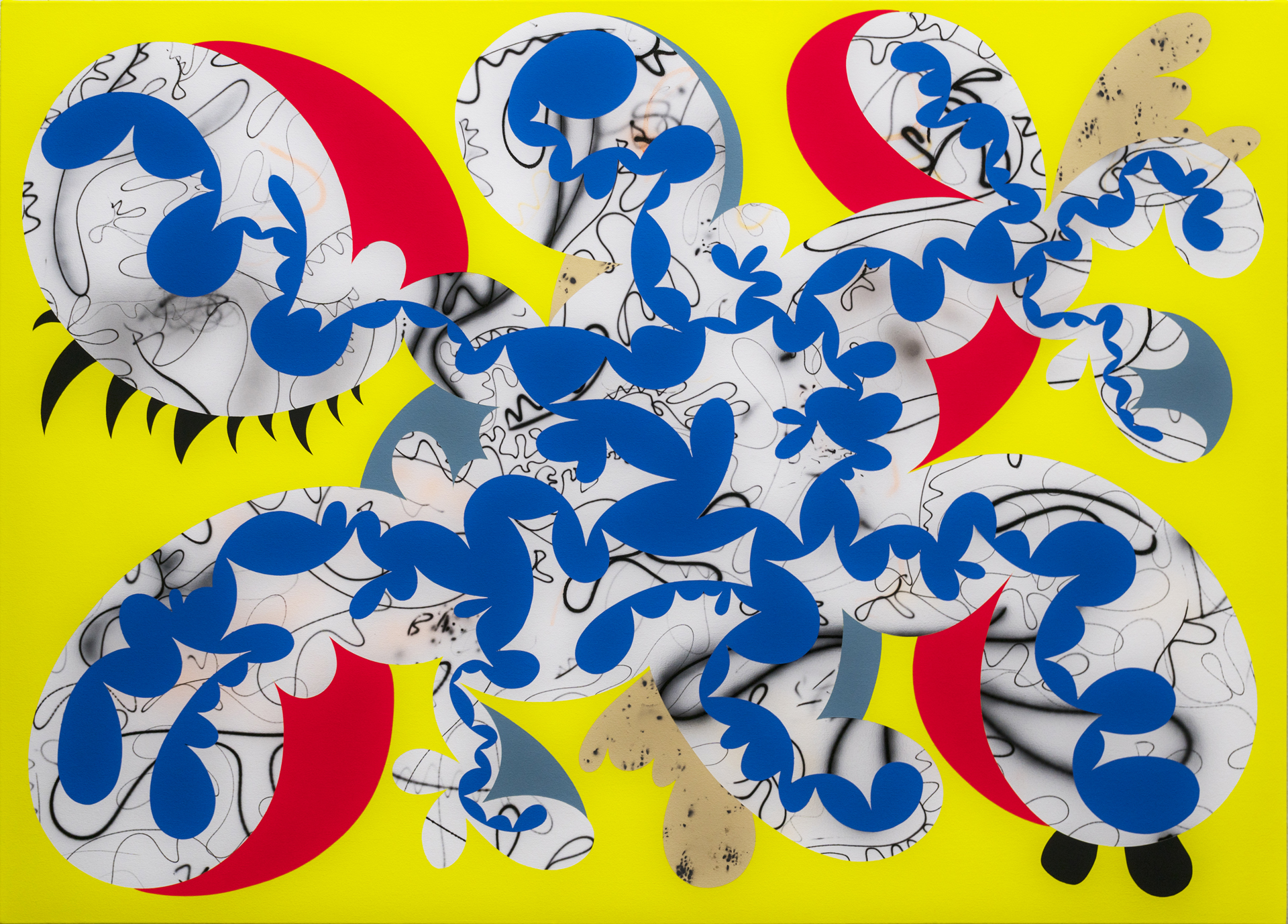
With a background in science academia, Gracey incorporates scientific concepts, chemical equations and symbolic representations into her paintings. Using different techniques such as pouring, dripping, tipping and mixing, she approaches each painting like an experiment.


Paola Gracey, Spectra II, mixed media, 72 x 72 in.

Carlos Betancourt

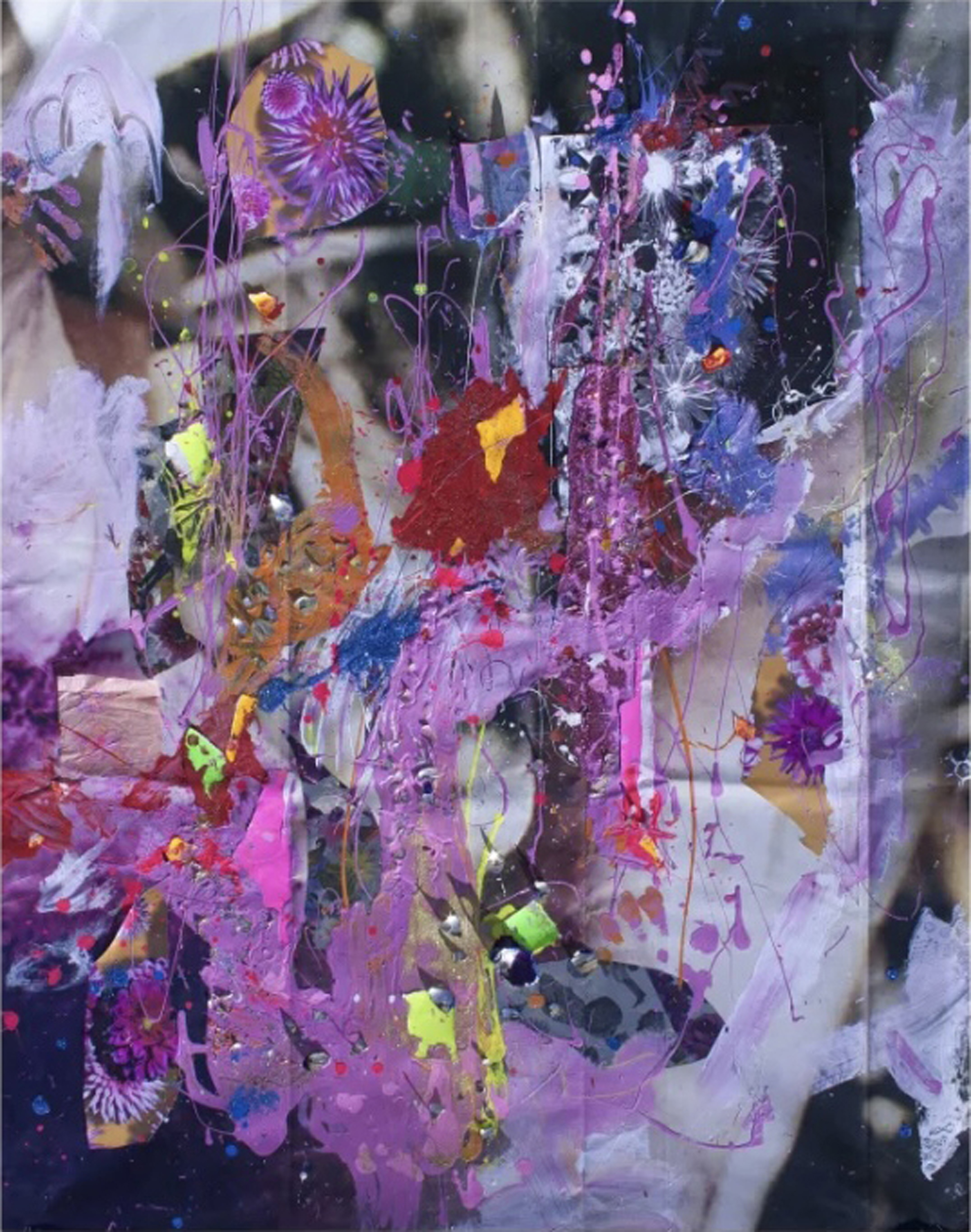
A multidisciplinary artist, Betancourt uses art to examine memory, personal identity, nature and the environment.


Carlos Betancourt, Landscape Re-Imagined, mixed media on vinyl, 62 x 52 in.

Mira Lehr

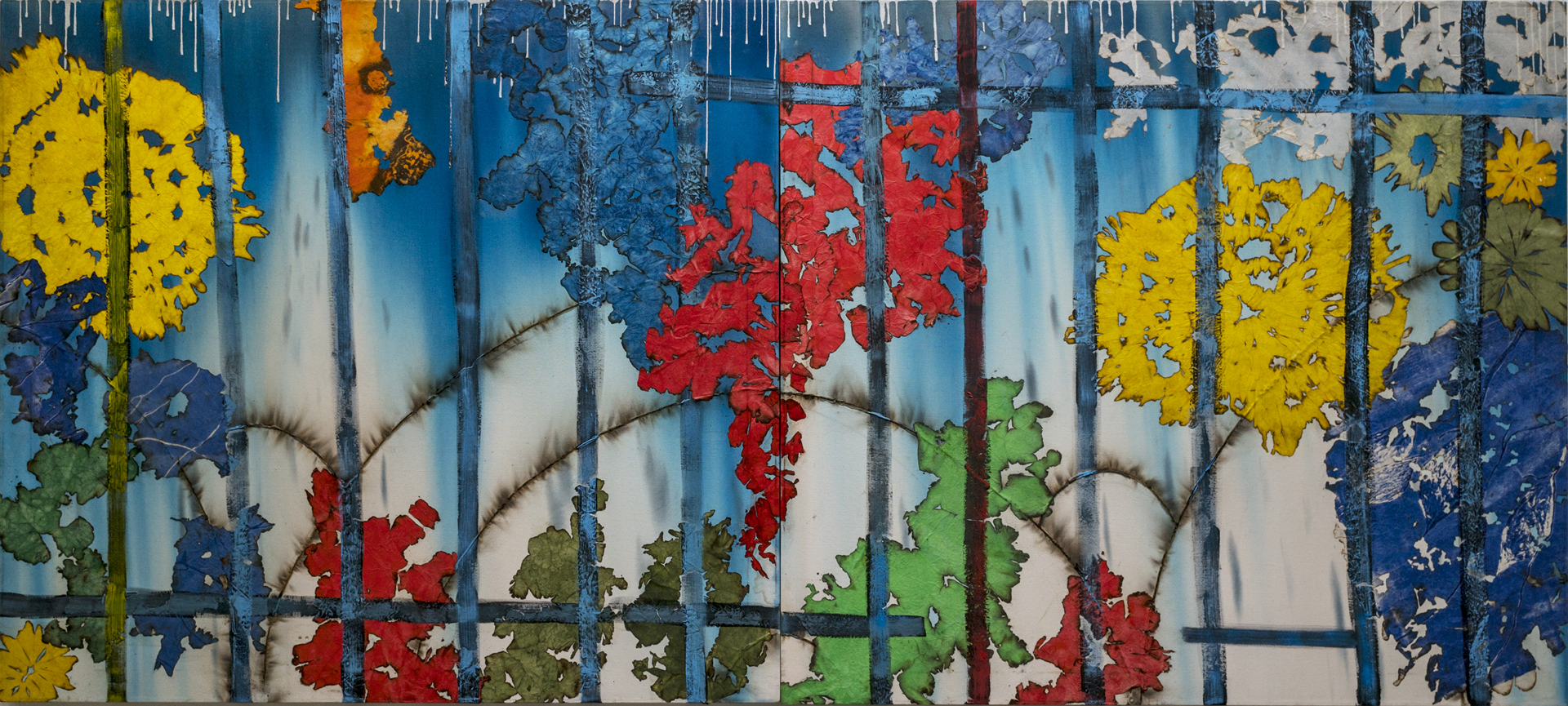
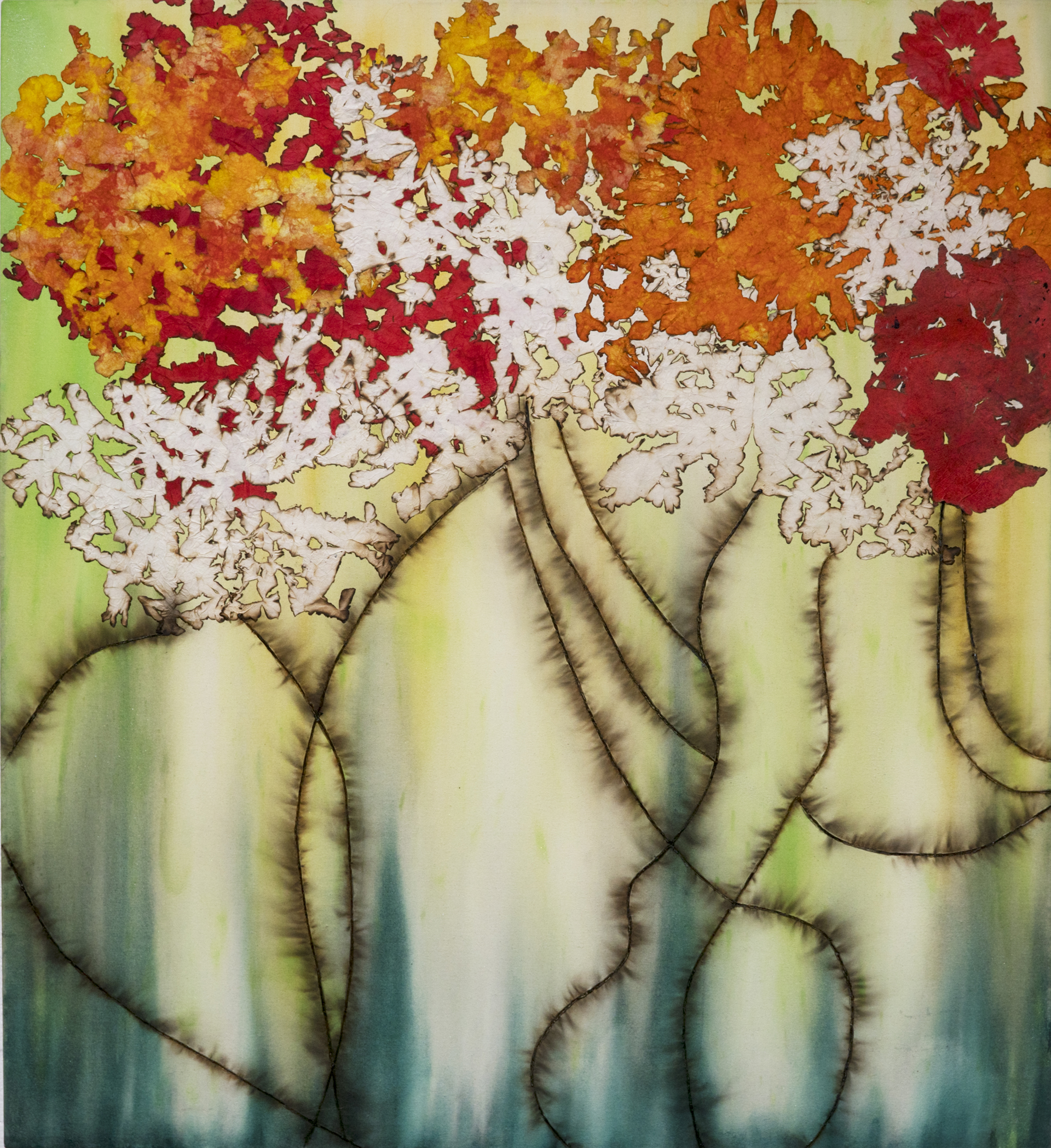
Eco-conscious artist Mia Lehr has spent the last 50 years using art to document the wonders and ever-changing state of the natural world.


Mira Lehr, The Arrival I and II, ignited fuses, burned and dyed Japanese paper, acrylic and ink on canvas, 48 x 54 in.

Mira Lehr, Early Spring, burned and dyed Japanese paper, ignited fuses, ink on canvas, 60 x 54 in.

Gustavo Oviedo

Vivid and lively, Oviedo’s representations of worldly visions serve as a reminder of all the wonder the world contains if one chooses to explore it.


Gustavo Oviedo, Nebula Dreams, acrylic and spray paint on canvas, 36 x 48 in.

David Marsh

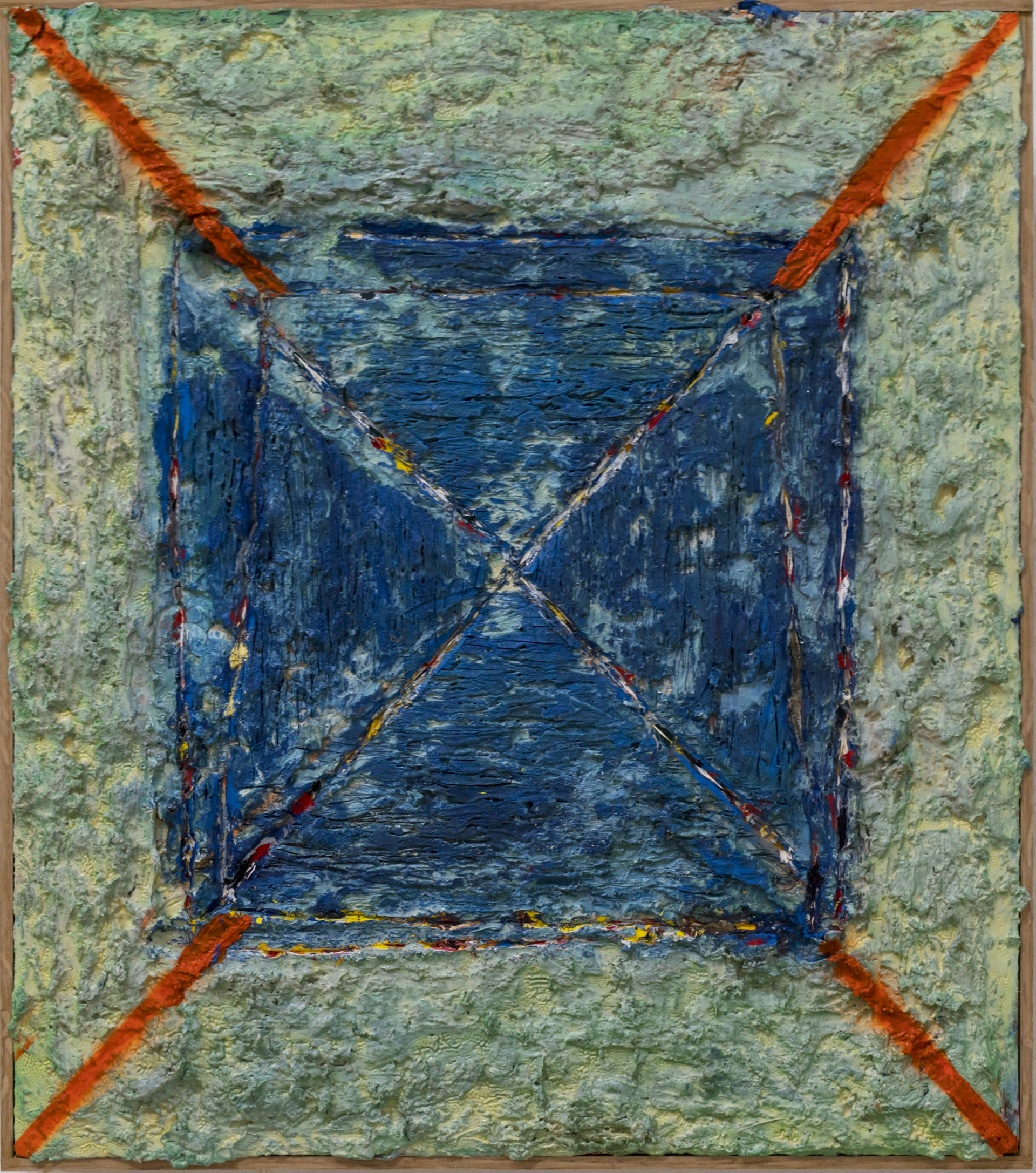
Marsh is consistently developing his own visual language through a rigorous process of inquiry. He is resolutely committed to abstraction, affirming its relevance as a living practice.


David Marsh, X, oil on canvas, 16 x 20 in.

Jacqueline Gopie

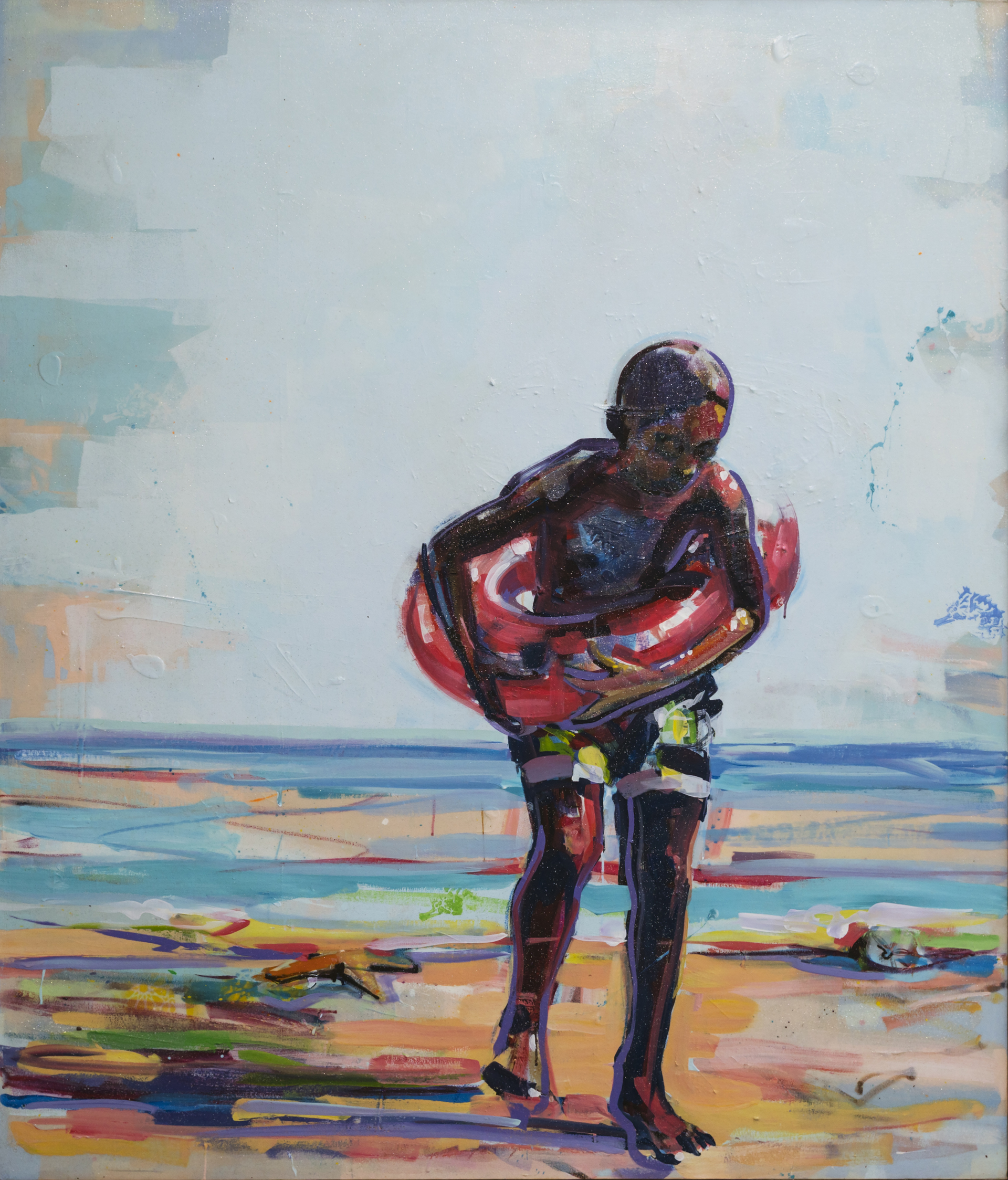
Challenging negative media stereotypes of people of colour by depicting idyllic scenes, Gopie’s intent is to rewire the viewer’s learned negative response to racial differences by showcasing alternative positive narratives.


Jacqueline Gopie, Freedom to Be, acrylic on canvas, 70 x 60 in.

John Bailly

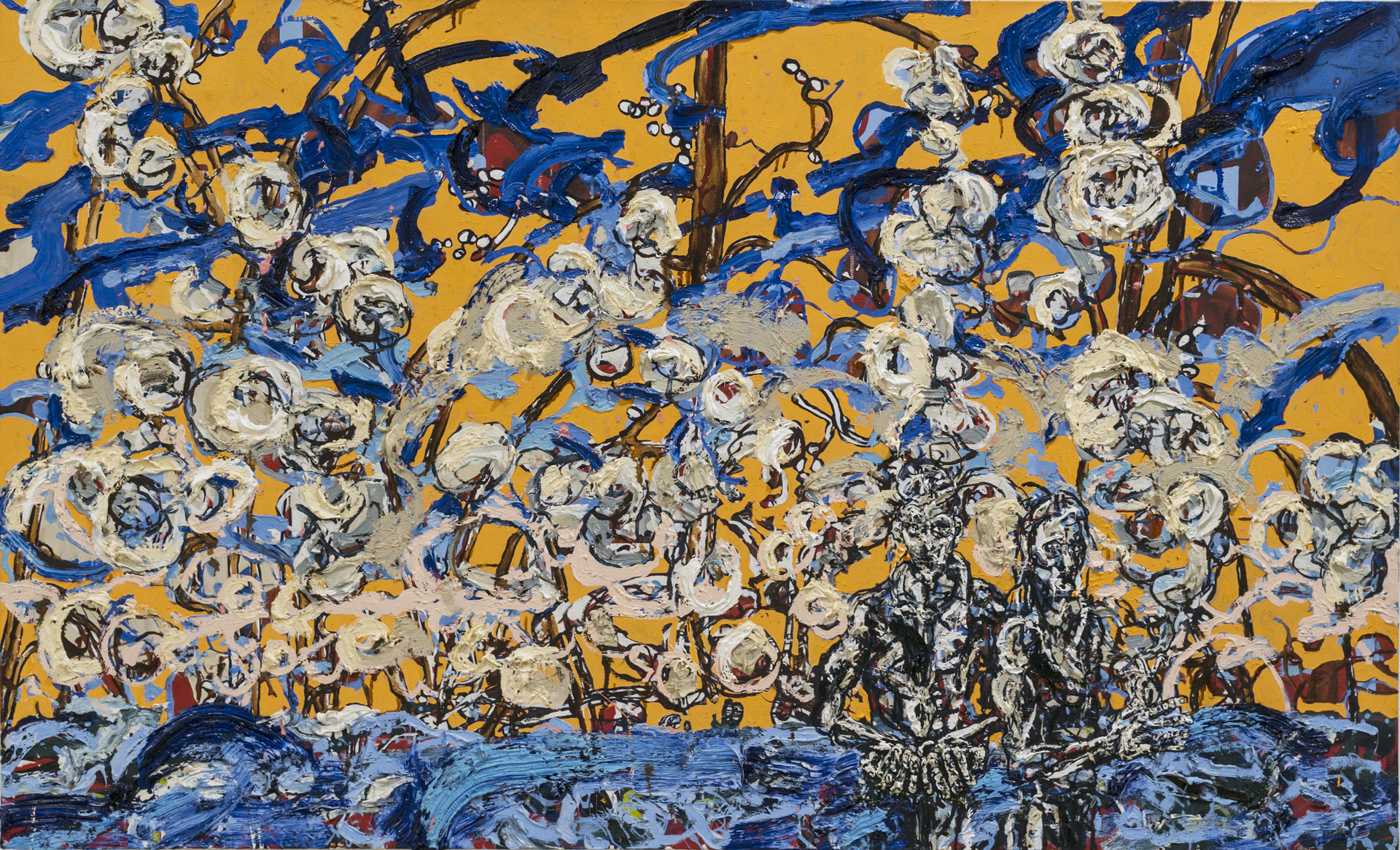
With an emphasis on transatlantic dialogue, Bailly’s paintings explore how we are who we are in relation to history, place and culture.


John Bailly, Francisco and Diego, oil on canvas, 36 x 60 in.

Karen Rifas

In her nearly 40 years as an artist, Rifas has used her work and experimentation with materials and process to provide insights into the inner workings of Miami’s private and public cultural institutions.


Karen Rifas, 0807, acrylic on Arches watercolour paper, 45 x 45 in.

Robert Thiele

Robert Thiele embeds found objects from the environment into paintings that he calls wall constructions.


Robert Thiele, Second Circle (CCLXXX), wood laminated canvas, mixed media, 28 x 28 in.

Pablo Contrisciani

Contrisciani uses art to explore the universe and its unity in the infinite diversity of elements.


Pablo Contrisciani, Unadulterated Magic, mixed media on canvas, 35 x 56 in.

Asser Saint-Val

After moving to the US from Haiti, Saint-Val began to examine many facets of his uniqueness, spirituality and the realm of thought form. Imbued with a desire to understand the profound nature of his identity, Saint-Val began researching neuromelanin, the pineal gland and consciousness. He expresses his findings in his paintings.


Asser Saint-Val, ISPAKOTV NGY EWHR, I have allowed you to perform your task!, mixed media on Masonite, 48 x 48 in.

Regina Jestrow

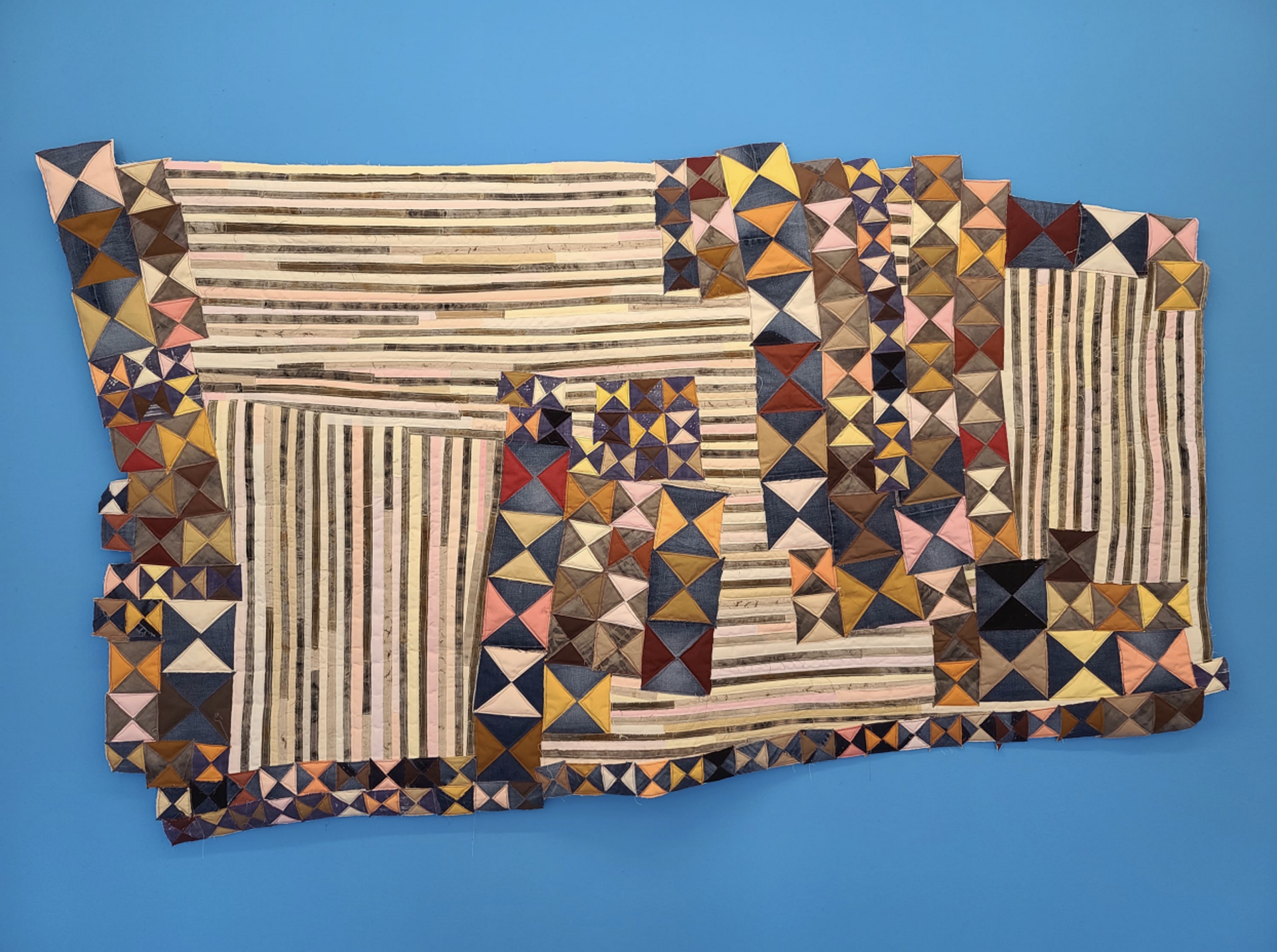
Jestrow creates organically shaped geometric art quilts that “stem from my constant re-examination of American history and recontextualizing of textile traditions.”


Regina Jestrow, Americana Quilt 72, assorted fabrics, hand-dyed fabric, batting, thread, 60 x 95 in.

Kathleen Staples

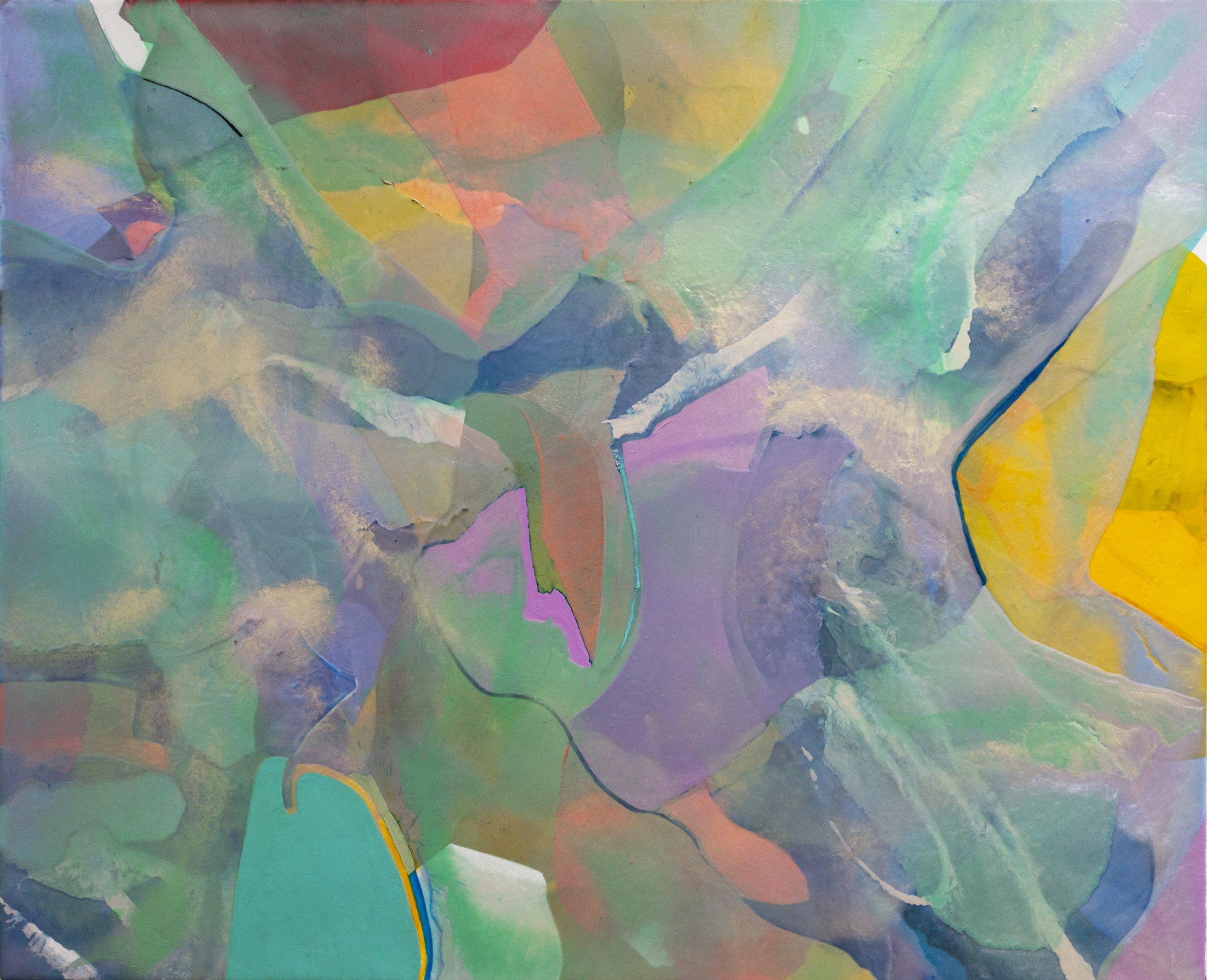
Working with paint, wet on wet, in an expressive “go with the flow” technique, Staples uses natural forces to create rough, expressive surfaces that are an exaggerated, fantastic evocation of natural terrain, in a parallel of landscape’s own power.


Kathleen Staples, Evening Harmony, acrylic on canvas, 40 x 48 in.

Robert McKnight

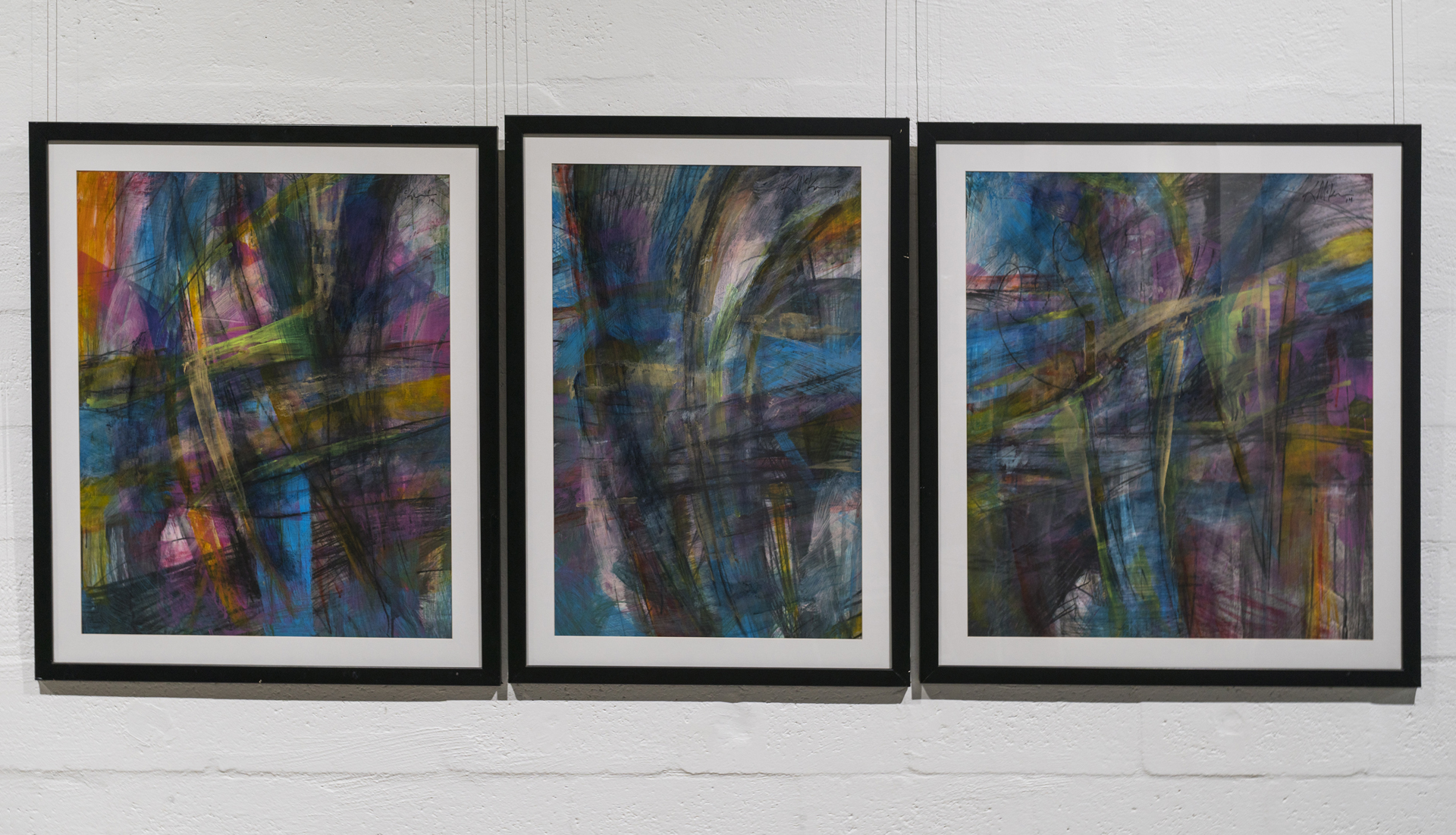
McKnight’s mission as an artist “is to create works that are individual in style and content reflecting my heart and soul, stretching the poetic and artistic license in both material and content.”


Robert McKnight, Blues 1, Blues 2, Blues 3, framed and mounted Triptych, 60 x 95 in.

Edouard Duval-Carrié

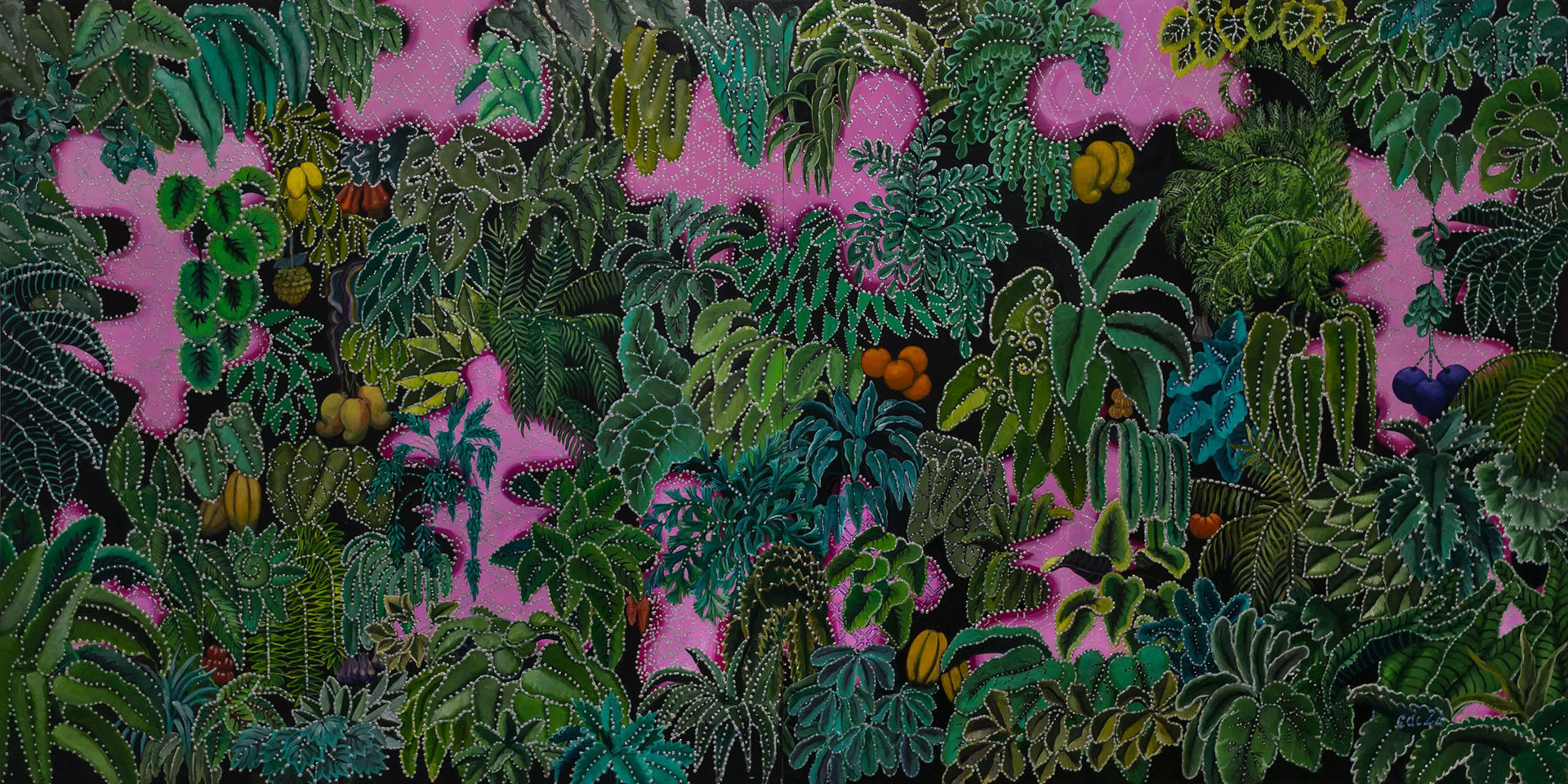
An educator at heart, Duval-Carrié is a contemporary artist and curator who challenges the viewer to make meaning of dense iconography derived from Caribbean history, politics and religion. His mixed media works and installations present migrations and transformations, often human and spiritual.


Edouard Duval-Carrié, Tropical Convention, Pink, undefined.

Miami Creative: A Decade of Transformation

A companion piece to the exhibition, Miami Creative: A Decade of Transformation, is Fellman’s ode to the flourishing creativity that has turned Miami into a global artistic force. An accomplished photographer, Fellman uses imagery to chronicle a pivotal decade in Miami’s arts and culture from 2010 to 2020.


The publication’s more than two hundred vibrant photos and essays record the heart and soul of Miami’s creative community, from major museums and performance venues to popular grassroots events. It documents a decade of artistic growth in Miami, the creative community and the impact of transformational financial investments (both public and private) on the arts.


Writer: Lesley Bishin