
Ras Al Khaimah: Why the World Is Turning Its Attention to the UAE’s Rising Emirate
By Jeannette Paulino, Middle East Section Editor
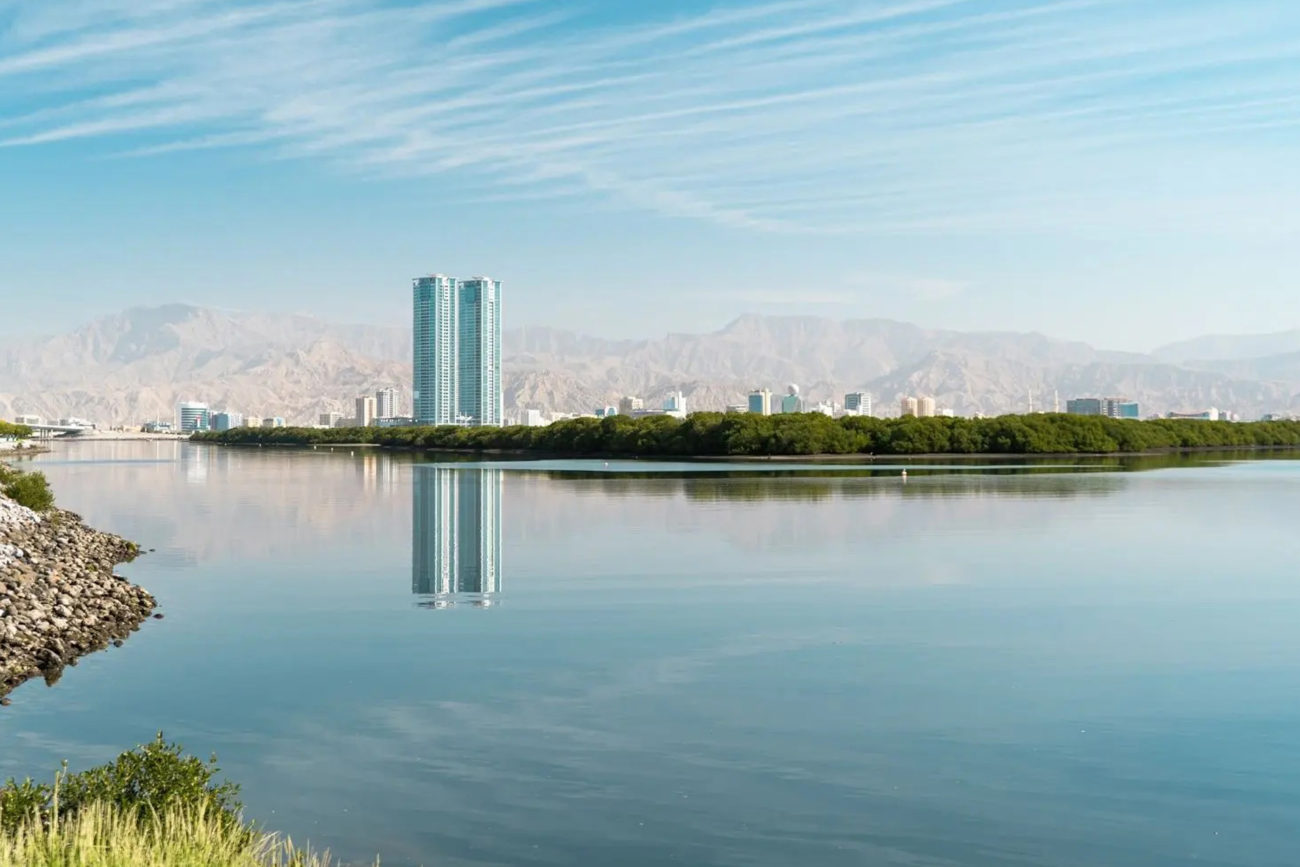
For decades, the global spotlight has shone brightly on Dubai and Abu Dhabi. Today, Ras Al Khaimah is emerging as one of the United Arab Emirates’ most intriguing emirates. Framed by the turquoise waters of the Arabian Gulf, the golden desert, and the dramatic peaks of the Hajar Mountains, it offers an alluring combination of breathtaking natural beauty, refined luxury, rich heritage, and bold ambition. Once considered one of the UAE’s best-kept secrets, Ras Al Khaimah is rapidly capturing international attention as world-renowned hospitality brands, landmark developments, and visionary investments reshape its future. Ras Al Khaimah provides a different side of the UAE, pursuing bold growth on its own terms.
Along the northern edge of the United Arab Emirates, white-sand beaches, mangrove forests, terracotta desert, rugged mountains, and deep canyons form the backdrop of an emirate undergoing a striking transformation.
It is where Dubai residents escape for rest and respite, where companies host weekend retreats, and where a growing international community has moved in search of a more serene quality of life.
An hour north of Dubai, Ras Al Khaimah, otherwise simply referred to as “RAK,” is one of the seven emirates, and is on the precipice of global recognition far and wide.
The Emirate Defined by Nature
Ras Al Khaimah is known as the “Nature Emirate” for its combination of 68 kilometers of turquoise coastline, golden desert, mangroves, and mountains.
Locals and tourists who visit can begin the morning kayaking through mangroves or relaxing beside the Arabian Gulf, then spend the afternoon hiking or dining in the mountains. Jebel Jais, located on the eastern side of RAK, is the highest mountain in the UAE and home to scenic trails, breathtaking views, and Jais Flight, the world’s longest zipline.
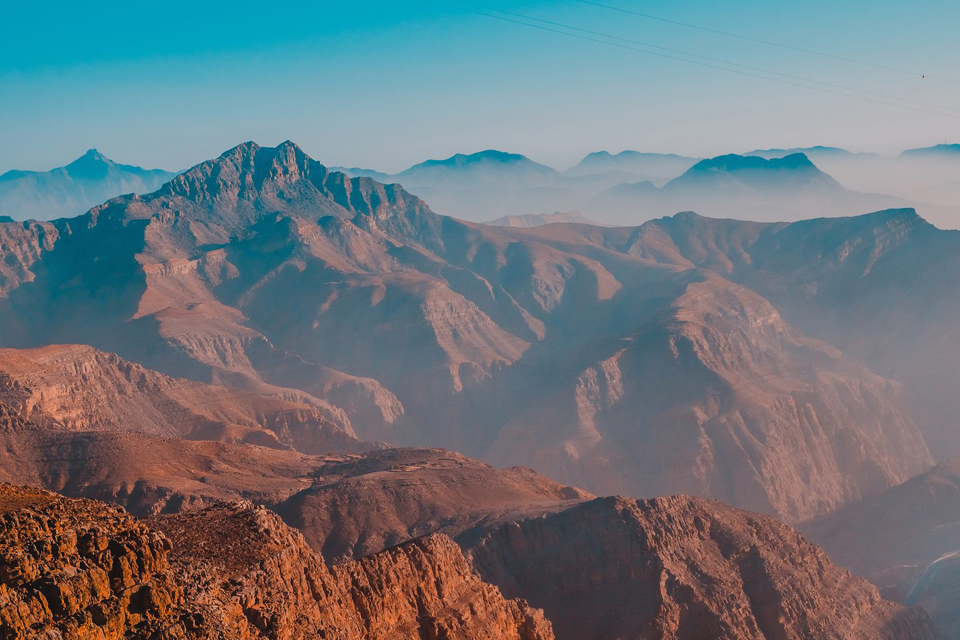
Jais Mountains, Ras Al Khaimah, UAE © Ras Al Khaimah Tourism Development Authority
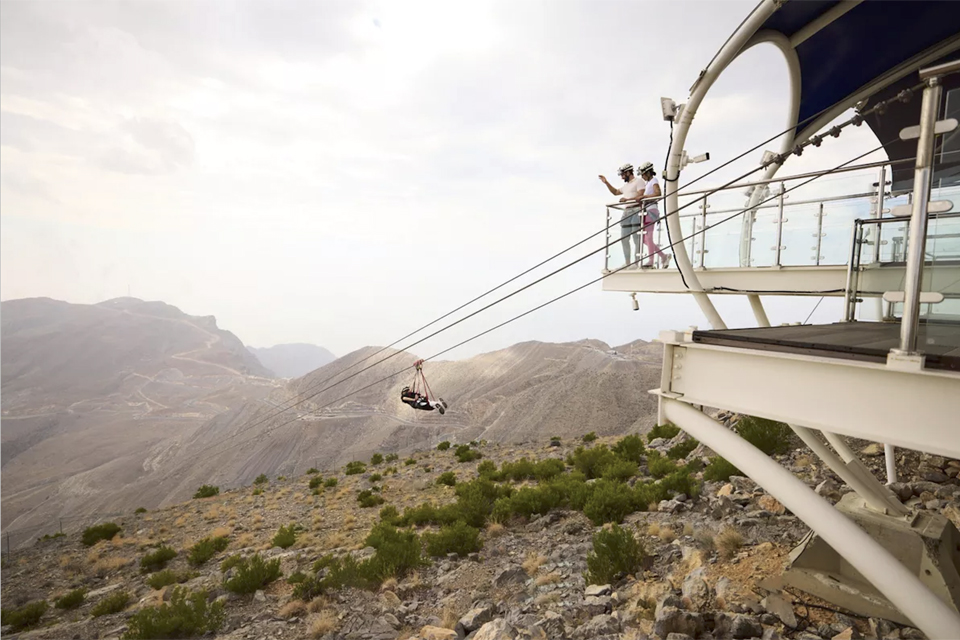
Jebel Jais Flight © Ras Al Khaimah Tourism Development Authority
Ras Al Khaimah is known as the “Nature Emirate” for its combination of 68 kilometers of turquoise coastline, golden desert, mangroves, and mountains.
Ras Al Khaimah is a special place. It offers adventure and relaxation, without the crowds or intensity often associated with the region’s larger cities.
Luxury by the Natural Landscape
Luxury in Ras Al Khaimah is closely connected to its natural surroundings.
The emirate is home to world-class hotel brands, including Waldorf Astoria, The Ritz-Carlton, Anantara, InterContinental, Mövenpick, and Sofitel.
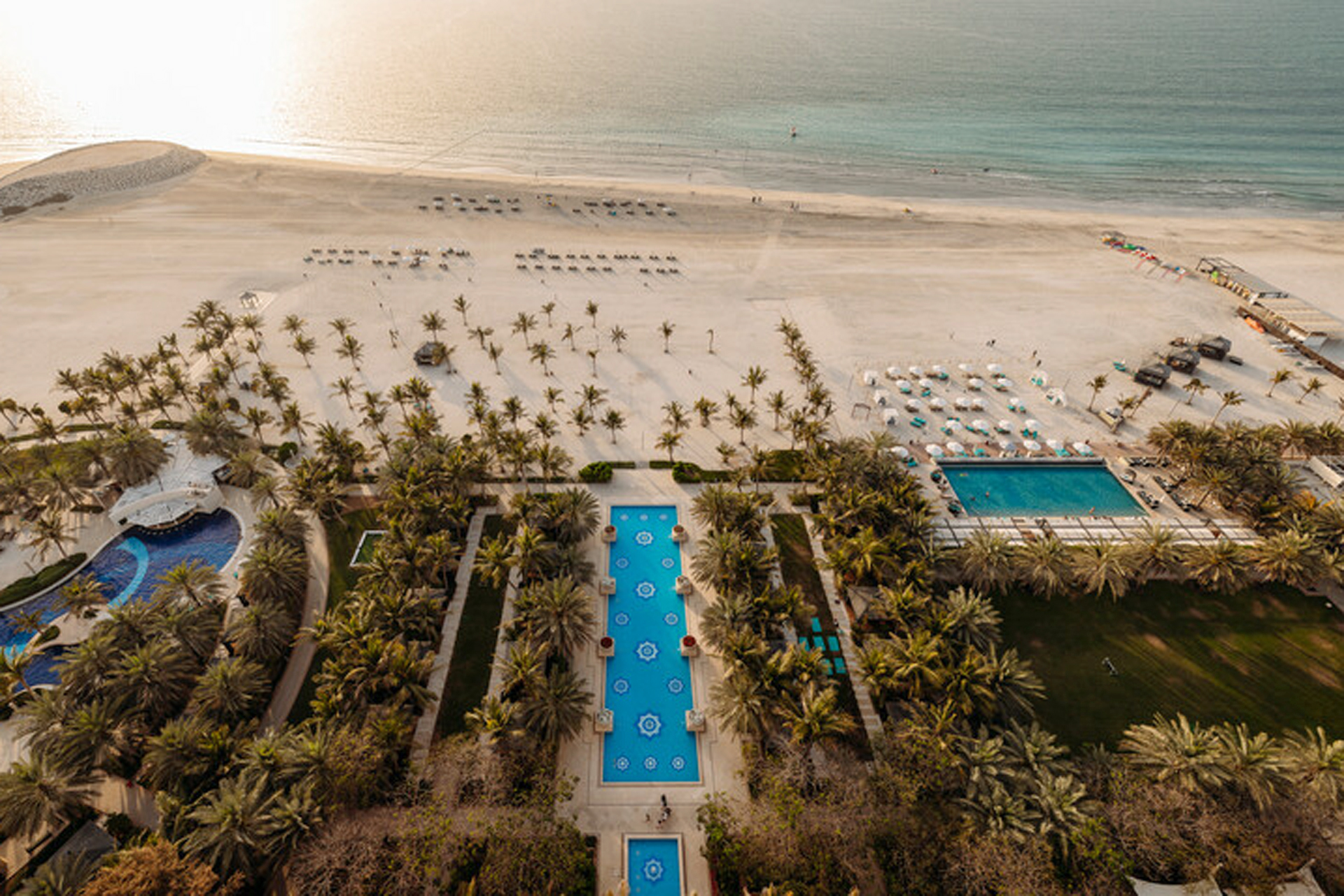
Waldorf Astoria
At The Ritz-Carlton Al Wadi Desert, private villas sit within a nature reserve inhabited by Arabian oryx and gazelles. Guests can experience lessons with falcons, horseback riding, and outdoor dinners beneath the stars.
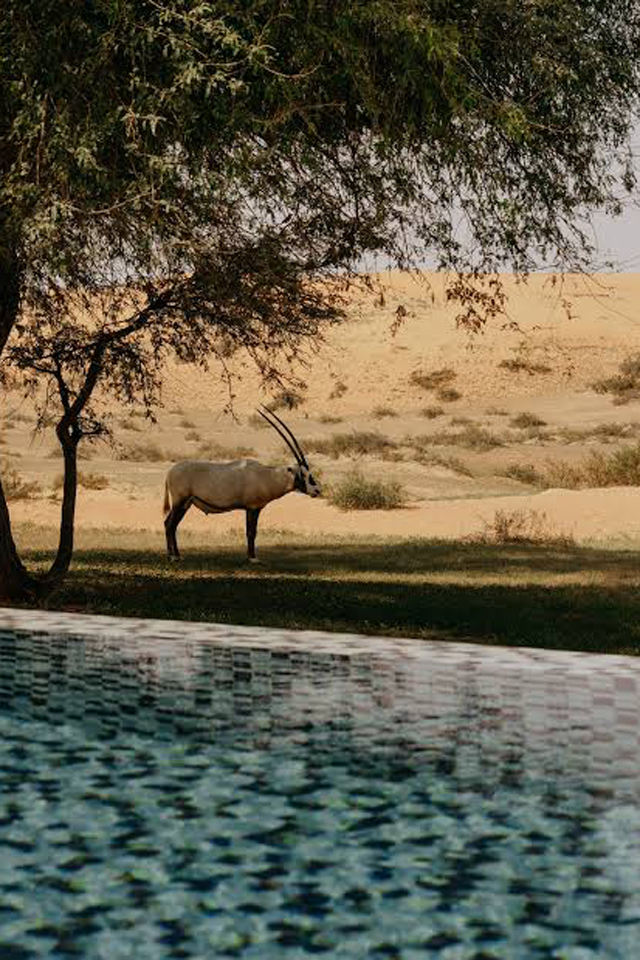
Ritz-Carlton Ras Al Khaimah, Al Wadi Desert © Ritz-Carlton Ras Al Khaimah, Al Wadi Desert
Luxury in Ras Al Khaimah is closely connected to its natural surroundings.
Not too far away, along the coast, resorts such as Anantara Mina introduced private overwater villas surrounded by mangroves, giving visitors a tropical experience within the UAE.
Staying in Ras Al Khaimah offers a grounding connection to nature and sanctuary.
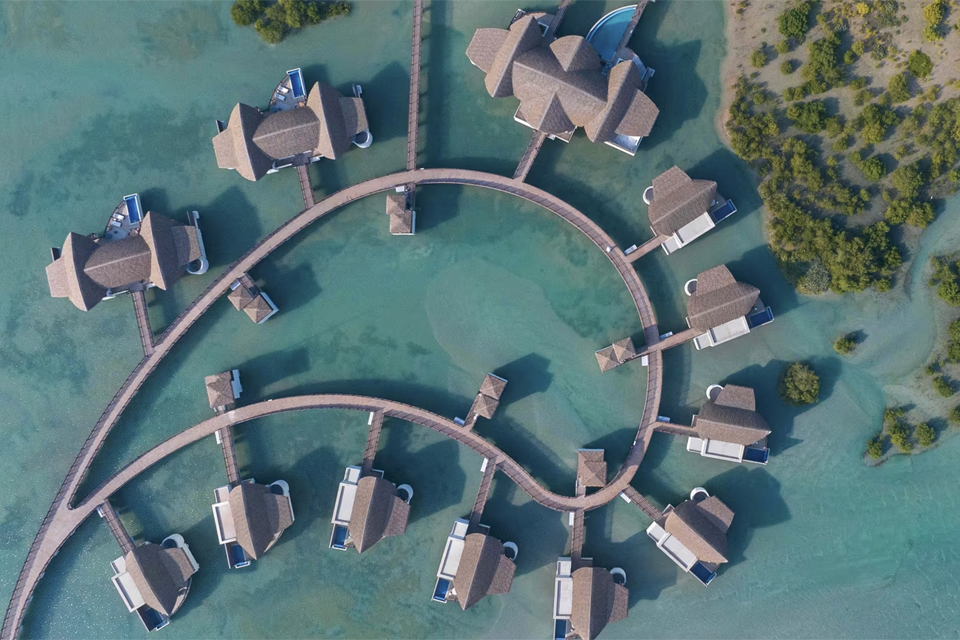
Anantara Mina Ras Al Khaimah Resort © Anantara
More Than a Resort Destination
Ras Al Khaimah’s story extends beyond its newest hotels.
The emirate has 7,000 years of history shaped by fishing, agriculture, trade and pearl diving, and is home to about 1,000 historical and archaeological sites.
At Suwaidi Pearls, a popular tourist destination, visitors can travel by traditional boat to a working pearl farm and learn how generations of Emiratis once depended on the sea.
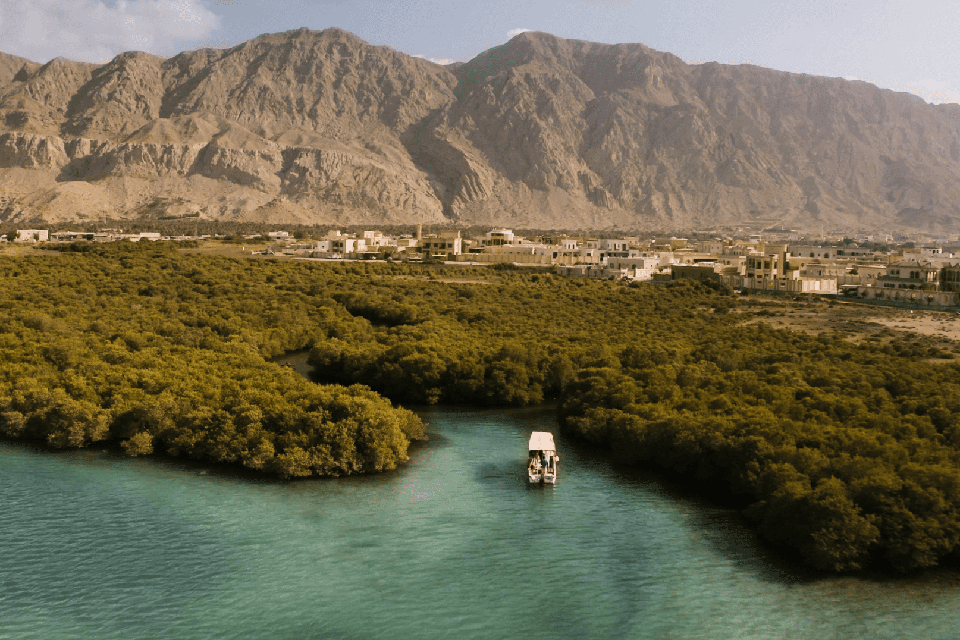
Al Rams Suwaidi Pearls © Ras Al Khaimah Tourism Development Authority
About a ten-minute drive away, Dhayah Fort, a 19th-century historic fortress, sits above date-palm gardens with views of the sea on the horizon. Al Jazirah Al Hamra, an abandoned village built from coral stone, provides a glimpse into life in Ras Al Khaimah before the country’s rapid modernization.
Ras Al Khaimah beautifully brings together the past and present and is now preparing to enter a defining new chapter.
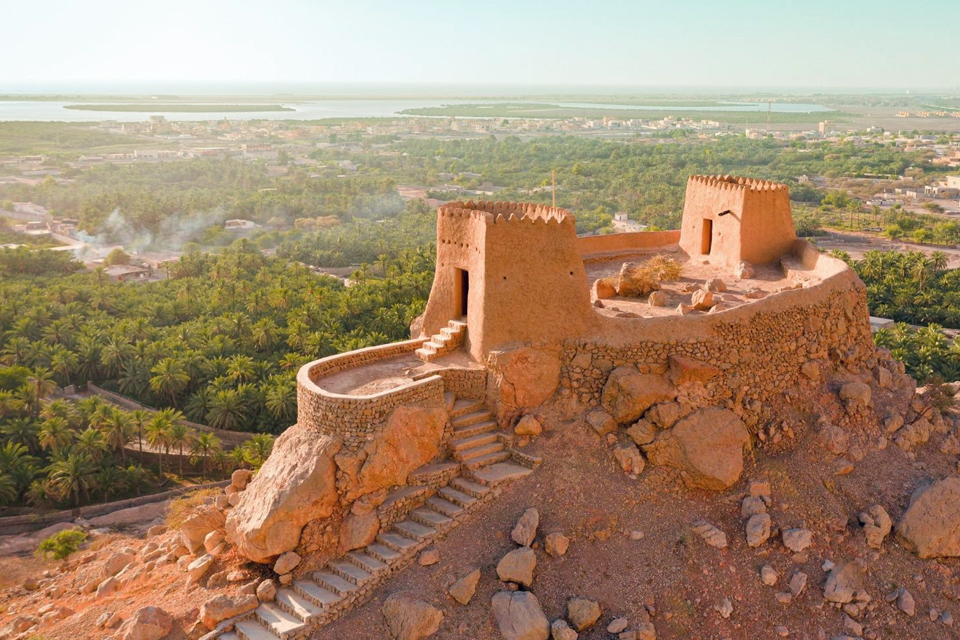
Dhayah Fort © Ras Al Khaimah Tourism Development Authority
Shaping the UAE’s Next Chapter
Beyond its beautiful nature, beaches, and history, construction cranes now decorate what once was a beige canvas, as Ras Al Khiamah prepares for significant growth in terms of population, tourism, and investment.
Ras Al Khaimah is one of the fastest-growing emirates in the UAE, with a stable economy and strong business environment. The emirate is strategically located near major shipping lanes, with five ports, and an international airport connecting it to countries across South Asia, North Africa, the Arabian Gulf, and Eastern Europe.
Ras Al Khaimah is one of the fastest-growing emirates in the UAE, with a stable economy and strong business environment.
Under the leadership of His Highness Sheikh Saud bin Saqr Al Qasimi, UAE Supreme Council Member and Ruler of Ras al Khaimah, the emirate has pursued an ambitious strategy centered on sustainable development, economic diversification, education, and quality of life.
The strategy focuses on preparing for a future in which its population size is expected to increase by 50% and tourism to double by 2030.
Over the last few years, Ras Al Khaimah has attracted foreign direct investment from around the world across a range of economic sectors, including real estate, technology and innovation, advanced manufacturing, and, of course, tourism.
New resorts and entertainment attractions have found a home in RAK. International hospitality brands, such as Nobu, Rosewood, Mandarin Oriental, St Regis, W Hotels, Nikki Beach are making their way to the emirate as demand for tourism and residential living continues to grow.
The most notable development attracting the greatest international attention is Wynn Al Marjan Island, a $5.7 billion USD project, an integrated resort and the first-ever casino in the Arabian Gulf.
Scheduled to open in September 2027, Wynn Al Marjan Island will include more than one thousand rooms, suites and villas, 22 restaurants, lounges and bars, along with a theater, a beach club, a shopping promenade, and an events center.
Wynn Al Marjan Island’s significance extends beyond hospitality. The project has become a global signal of confidence in Ras Al Khaimah’s long-term vision, reinforcing the emirate’s growing international profile as a place to invest, do business in, and consider moving to.
Yet, Wynn will only be one part of a broader transformation unfolding across Ras Al Khaimah. The emirate is on the cusp of a momentous shift.
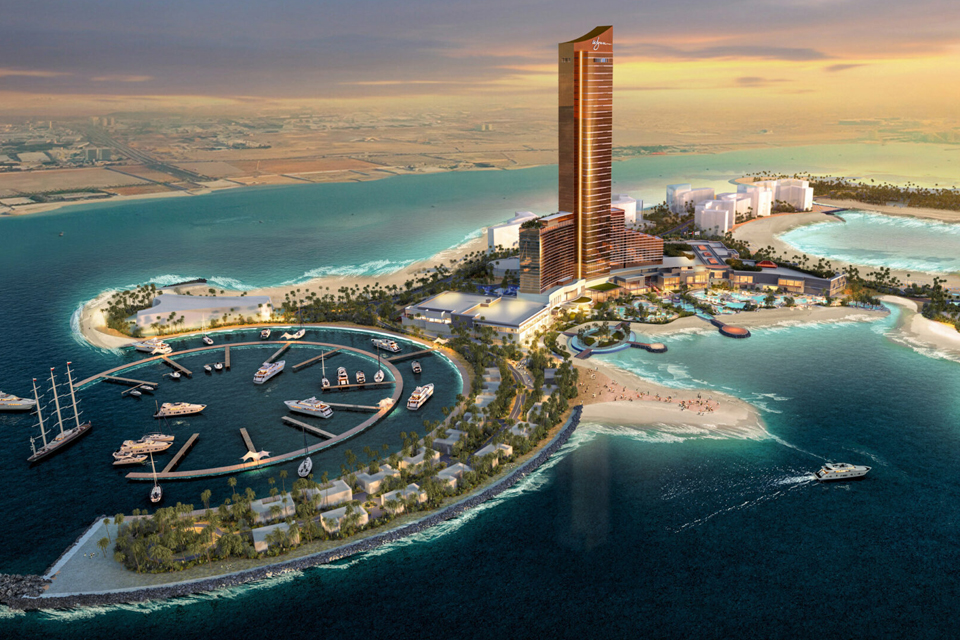
Wynn Al Marjan Island, Ras Al Khaimah, UAE
While its fellow emirates built their global reputations on sheer scale and financial weight (Dubai with its iconic skyline, Abu Dhabi with its cultural landmarks and sovereign wealth), Ras Al Khaimah has operated largely under the global radar.
Yet regional visitors, early investors, and businesses have quietly known about this best-kept secret for years.
Now, as the emirate enters a defining chapter in its modern history, that is beginning to change. Its unique blend of nature, heritage, visionary leadership, and carefully planned growth is reshaping its place within the United Arab Emirates, and influencing the country’s future as well.
Ras Al Khaimah is an emirate to watch.
For further information, please contact Jeannette Paulino at jeannette@magazineluxe.com.