
Vision 2030: How Saudi Arabia Is Transforming Its Economy and Why Miami Matters
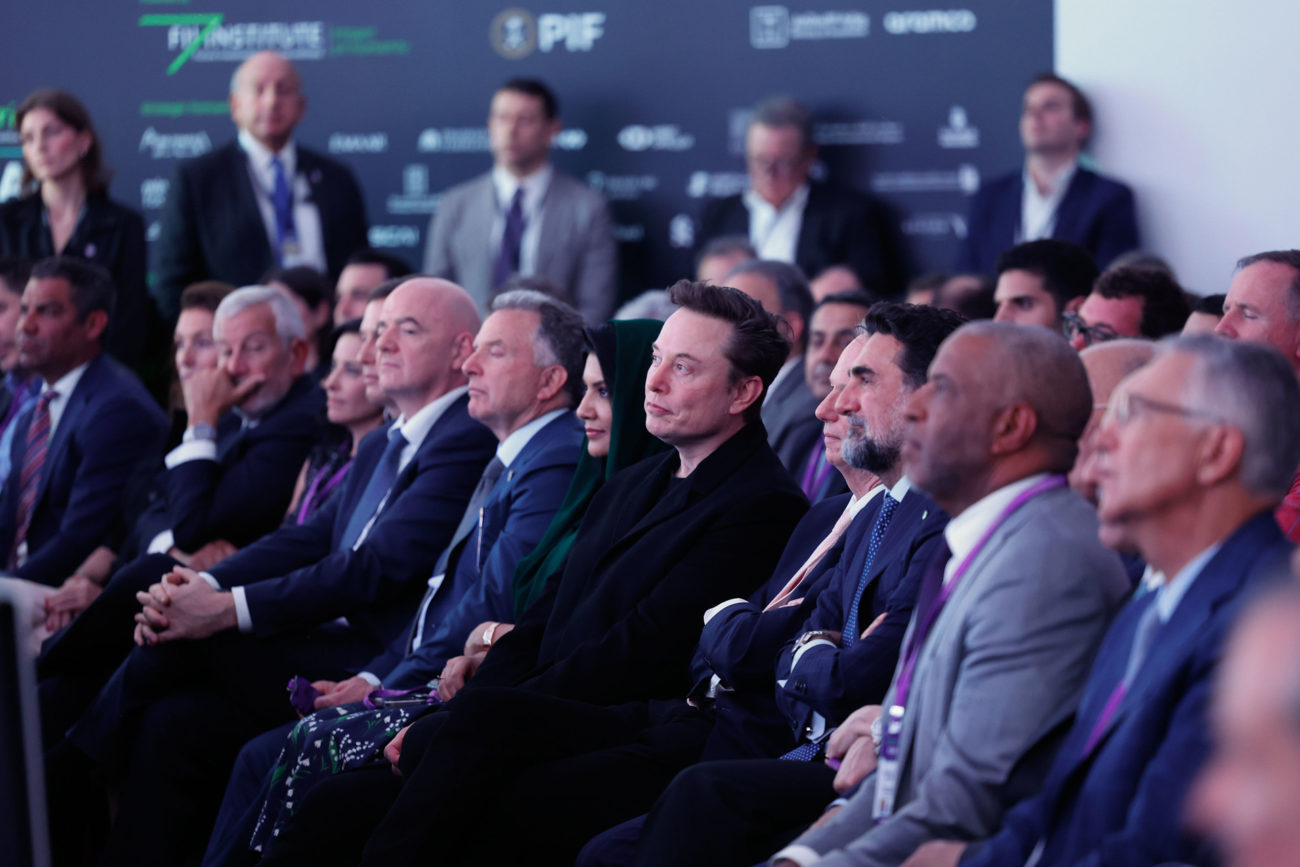
H.E. Yasir O. Al-Rumayyan, Elon Musk, H.R.H, Ambassador, Princess Reema Bandar Al Saud, Steve Witkoff, Gianni Infantino, Jared Kushner, Dina Powell McCormick, Richard Attias, Cécilia Attias, Francis Suarez
By Jeannette Paulino, Middle East Section Editor
Saudi Arabian leadership and investors return to Miami for the fourth consecutive year, reinforcing the city’s growing and central role as a strategic investment destination and accessibility point for its wider ambitions in Latin America. At a time of global uncertainty, one constant remains: the Kingdom’s long-term economic transformation continues at full speed, with capital, partnerships, and influence extending far beyond its borders.
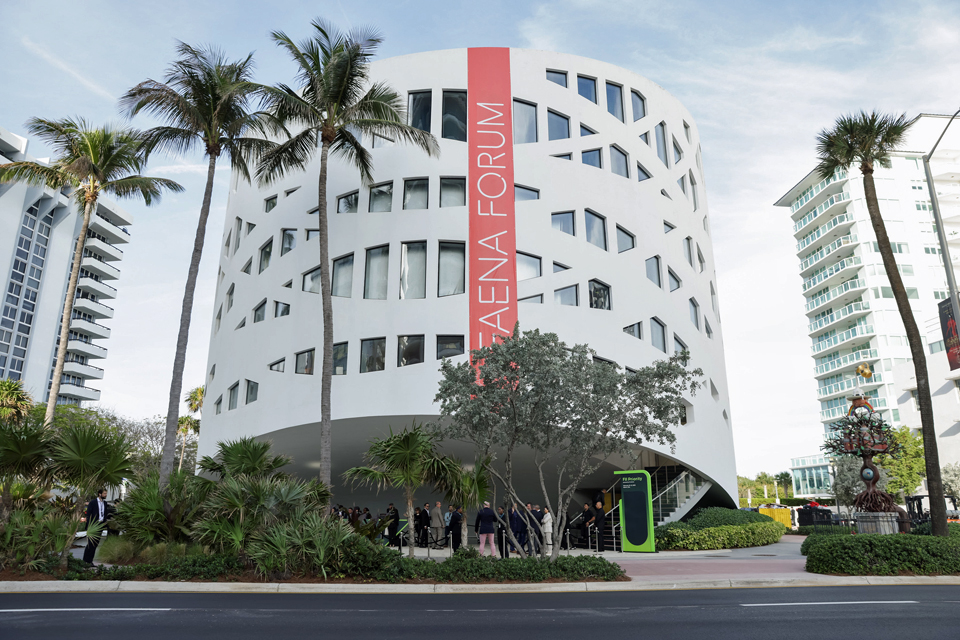
The Future Investment Initiative (FII) hosts its fourth Miami edition at the Faena Hotel, convening influential leaders from Saudi Arabia, the wider Gulf, South Florida’s business community, and Latin America’s leading executives. A few headliners include Her Royal Highness, Ambassador, Princess Reema Bandar Al Saud; 45th & 47th U.S. President Donald J. Trump; H.E. Yasir O. Al-Rumayyan, Governor of Public Investment Fund and Chairman, Saudi Aramco & FII Institute; Gianni Infantino, President of FIFA, Brad Garlinghouse, CEO of Ripple; Dina Powell McCormick, President and Vice Chairman of Meta, Gerard Inzerillo, Group CEO, Diriyah Company; Francis Suarez, 43rd Mayor of Miami; Stephan Ross, Founder, Non-Executive Chairman, Related Companies; and Mohamed Alabbar, Founder, Emaar Properties, Founder, Noon.com.
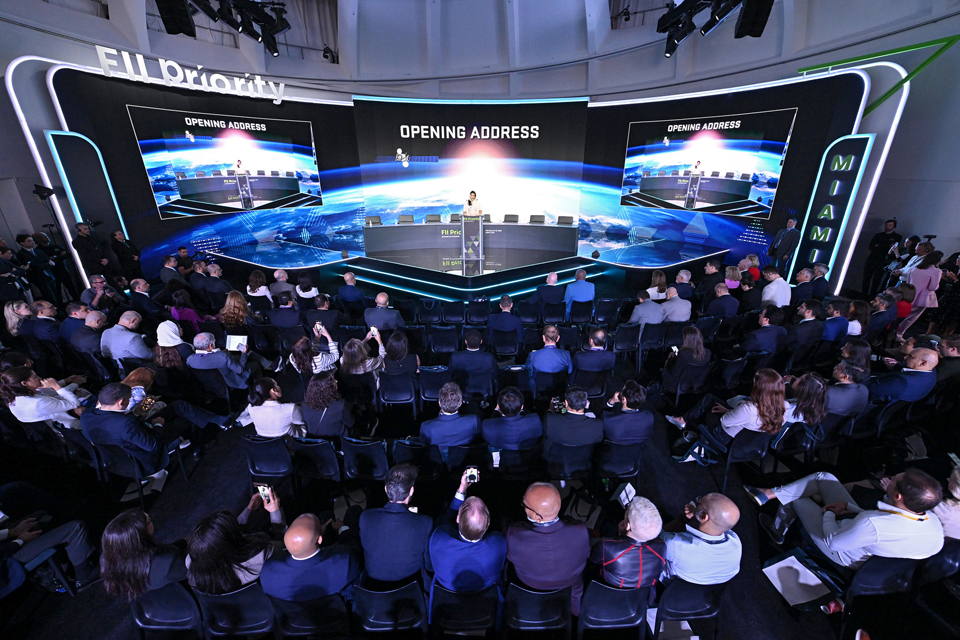
Her Royal Highness, Ambassador, Princess Reema Bandar Al Saud
Often described as the “Davos of the Desert,” FII is a flagship platform of the Future Investment Initiative Institute, founded by Saudi Arabia’s sovereign wealth fund, the Public Investment Fund (PIF). The forum brings together heads of state, CEOs, institutional investors, and innovators to discuss global economic trends, emerging technologies, and investment opportunities, while advancing the Kingdom’s ambitious Vision 2030 agenda.
Vision 2030 was launched in 2017 by Crown Prince Mohammed bin Salman, and is Saudi Arabia’s blueprint to diversify its economy beyond oil. Over the past decade, the Kingdom has deployed hundreds of billions of dollars across sectors including technology, financial services, advanced manufacturing, infrastructure, tourism, and entertainment, positioning itself as one of the world’s most ambitious economic transformation stories.
Central to these investments are large-scale developments such as NEOM, intended to be a futuristic city, now strategically pivoting to a global AI, data center, and technology hub. Saudi Arabia has also invested heavily in digital infrastructure and emerging technologies through partnerships with leading global companies, such as Nvidia and AMD.
As part of Vision 2030 and the objective to reposition the Kingdom as a premier destination for both leisure and business travel, the country leadership has deployed $150 billion – $200 billion across tourism and destination development, launching landmark initiatives such as the ultra-luxury Red Sea Project (or the ‘Maldives in the Gulf’). The country has also made significant capital allocation towards sports and entertainment efforts, including a Six Flags theme park, LIV Golf, a WWE partnership, among many other strategic investments in speed boat racing, gaming ($55 billion acquisition in Entertainment Arts), aiming to grow its local and global cultural and entertainment influence.
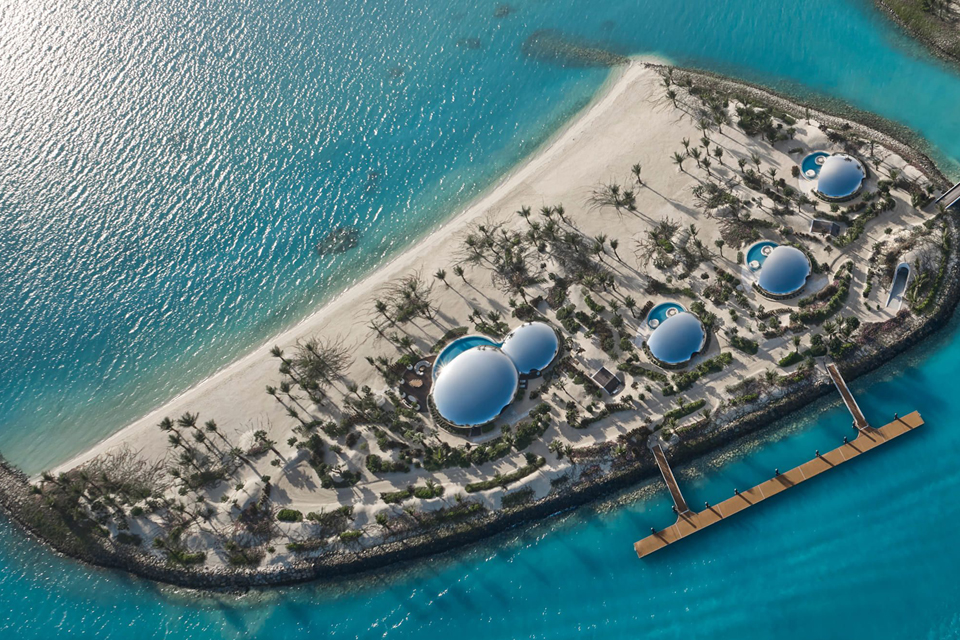
Shebara Resort, Red Sea
Beyond the Kingdom itself, Saudi Arabia is expanding its economic relationships with emerging markets across the Global South. The Miami forum’s theme, “Capital in Motion,” reflects the shifting dynamics of global investment: how capital is being reallocated across regions, sectors, and new growth destinations.
Latin America features prominently on the FII agenda, underscoring the region’s strategic importance to Saudi Arabia. Bilateral trade between Saudi Arabia and Latin America now approaches $9 billion annually, with Brazil alone accounting for approximately $6.7 billion across agriculture, energy, and infrastructure.
For South Florida, these developments carry particular significance. Miami has firmly established itself as a global financial and commercial hub for Latin America, offering a natural channel for cross-regional investment flows and international business expansion. The city’s connectivity, multicultural workforce, and recent transformation in the last few years make it an increasingly attractive entry point for Gulf investors seeking opportunities in Latin America.
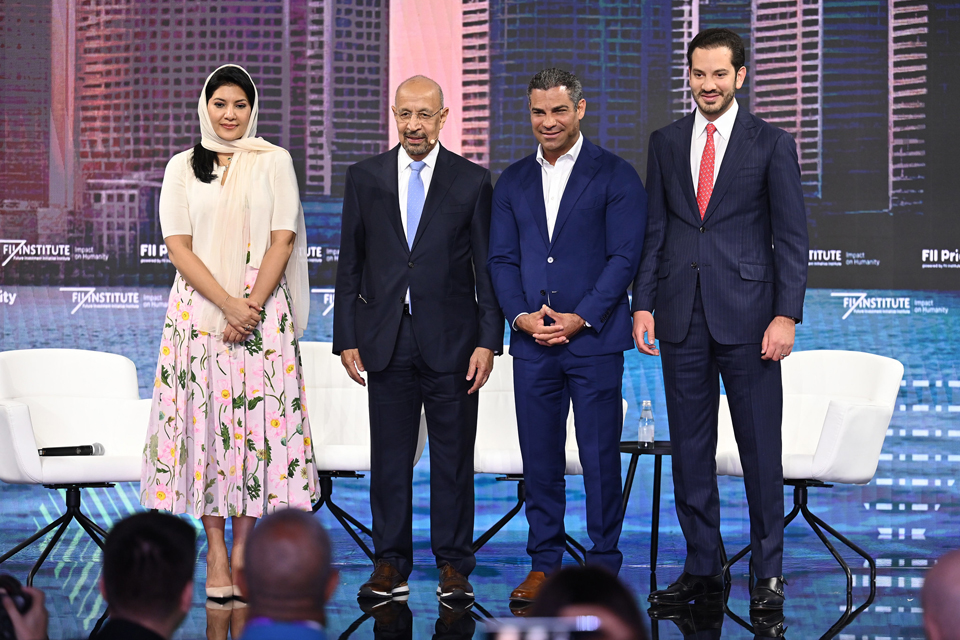
Her Royal Highness, Ambassador, Princess Reema Bandar Al Saud; H.E. Khalid bin Abdulaziz Al-Falih, Former Minister of Investment, Saudi Arabia; Francis Suarez, Former Mayor of Miami; Abdulrahman Bakir, Managing Director, Americas, Ministry of Investment, Saudi Arabia
In this evolving inter-regional landscape, FII Miami serves not only as a conference, but as a strategic convening point, bringing together decision-makers who are shaping the future of global capital, technology, and multi-regional economic cooperation.
The Future Investment Initiative celebrates its 10th anniversary in Riyadh, marking a decade of convening some of the world’s most influential leaders under the Vision 2030 framework.
As Saudi Arabia continues to redefine its global role, Miami’s position within that narrative appears poised to grow, not just as a host city, but as a partner in one of the most consequential economic transformations of our time.